
Flower Types
Seasonal Flowers by Month: What Blooms in US Gardens All Year


Contributing Editor
Credentials
- BA in Professional Writing TheCollector
- Worked at Dover Museum and the Canterbury Archaeological Trust TheCollector
Writing for Petal Republic since 2022 · 92 articles
Expertise
Flowers, Native plants, Wildlife gardening
Published In
TheCollector
A month-by-month calendar of the flowers in season across the US, with planting times, regional differences, and a note on which seasonal flowers are risky for cats.
In Short
Seasonal flowers by month in the US run from winter hellebores to spring tulips, summer sunflowers, and fall chrysanthemums, though true lilies are toxic to cats. We checked each month's bloom times: find your month and see what to grow or buy.
- Expect peonies only from late spring to early summer: each plant blooms about two weeks, so a November peony is an import.
- Plant hardy spring bulbs in late summer or early fall, and wait until after the last frost for dahlias and other tender summer bulbs.
More Takeaways
- Check your zone before copying any month's list: the same Christmas rose blooms at Christmas in warm regions and in early spring in cold ones.
- Plan dahlias for the longest vase season: they bloom from midsummer until the first frost.
Flowers in Season Each Month, at a Glance
In much of the US, winter bloom comes from hellebores, winter jasmine, and camellias in the South, and spring from bulbs, lilac, and peonies. Summer brings lilies, sunflowers, and hydrangeas, and fall brings dahlias, asters, and chrysanthemums.
- Garden
- Garden: Winter jasmine, Christmas rose, camellias in zones 7 to 9
- Vase
- Vase: Lenten rose, Christmas rose, amaryllis
- Garden
- Garden: Snowdrops, snow crocus, winter daphne (zones 7 to 9), winter jasmine
- Vase
- Vase: Lenten rose, early daffodils, amaryllis
March
- Garden
- Garden: Daffodils, hyacinths, Virginia bluebells, the last camellias
- Vase
- Vase: Daffodils, hyacinths, forsythia, Lenten rose
April
- Garden
- Garden: Tulips, primroses, Virginia bluebells, hyacinths
- Vase
- Vase: Tulips, hyacinths, anemones, forsythia
May
- Garden
- Garden: Peonies, lilac
- Vase
- Vase: Peonies, lilac, late tulips, ranunculus
- Pets
- Pets: tulips are toxic to cats and dogs
- Garden
- Garden: Lilies, foxgloves, roses
- Vase
- Vase: Delphiniums, hydrangeas, lilies, snapdragons
- Garden
- Garden: Sunflowers, agapanthus (zones 8 to 11), zinnias
- Vase
- Vase: Sunflowers, hydrangeas, lisianthus, gerbera daisies
- Garden
- Garden: Dahlias, zinnias, cosmos
- Vase
- Vase: Dahlias, cosmos, celosia, gladiolus
- Garden
- Garden: Dahlias, New England asters, coneflowers
- Vase
- Vase: Dahlias, asters, snapdragons, celosia
- Garden
- Garden: Chrysanthemums, asters, hardy cyclamen
- Vase
- Vase: Asters, snapdragons, dahlias, celosia
- Pets
- Pets: chrysanthemums are toxic to cats and dogs
- Garden
- Garden: Chrysanthemums, sasanqua camellias (zones 7 to 9)
- Vase
- Vase: Snapdragons, asters
- Garden
- Garden: Sasanqua camellias (zones 7 to 9), Christmas rose in warmer regions
- Vase
- Vase: Christmas rose, amaryllis, plus snapdragons, anemones and lilies from heated tunnels
- Pets
- Pets: lilies are toxic to cats
Why Your Month Isn't Their Month
Bloom times shift with region and year. The Christmas rose blooms around Christmas in warmer regions and in early spring in cooler areas, camellias can flower from October to mid-March in zones 7 to 9, and Virginia bluebells flower from March to May depending on location. Use each month's list as a guide, not a deadline.
| Flower | What changes by region |
|---|---|
| Christmas rose | Blooms around Christmas in warmer regions and in early spring in cooler areas |
| Camellia | Flowering may start as early as October and finish as late as mid-March (zones 7 to 9) |
| Virginia bluebell | Flowering runs from March to May, depending on the location |
Seasonal Flowers by Month in Winter
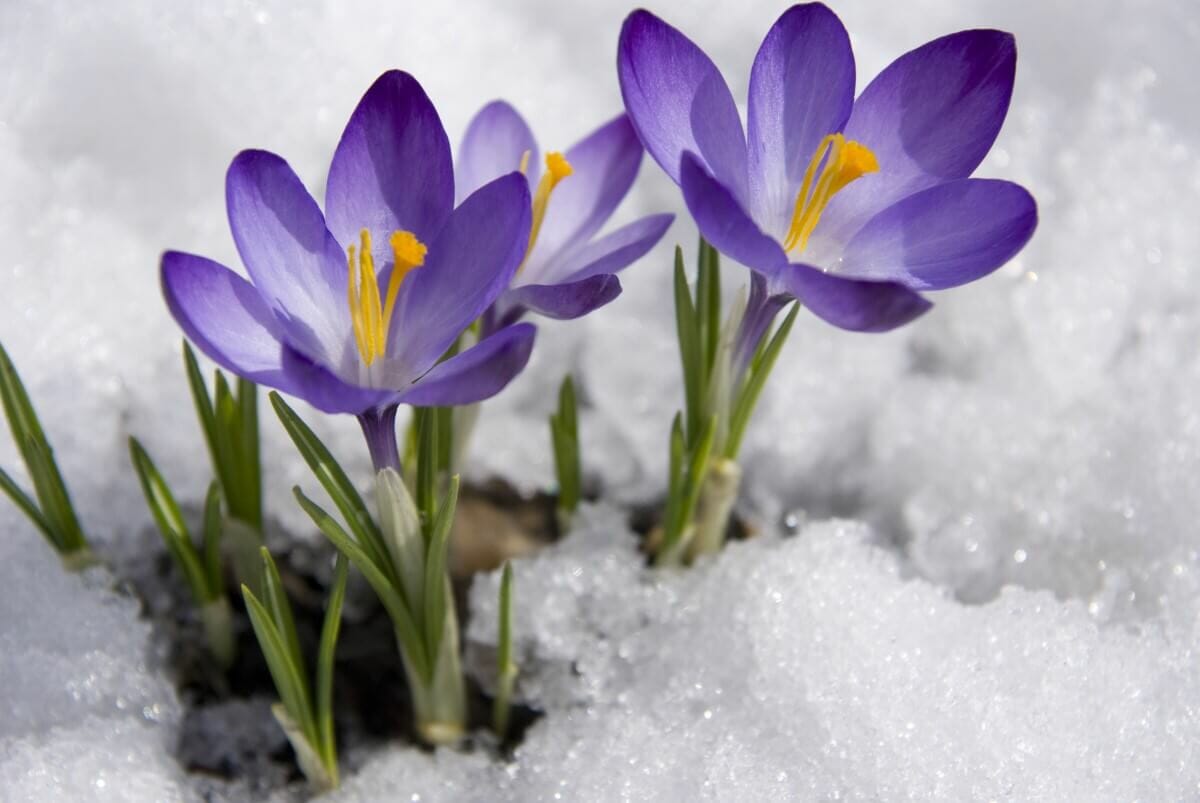
Snowdrops and snow crocus are among the first bulbs to flower, in late winter to early spring.
December
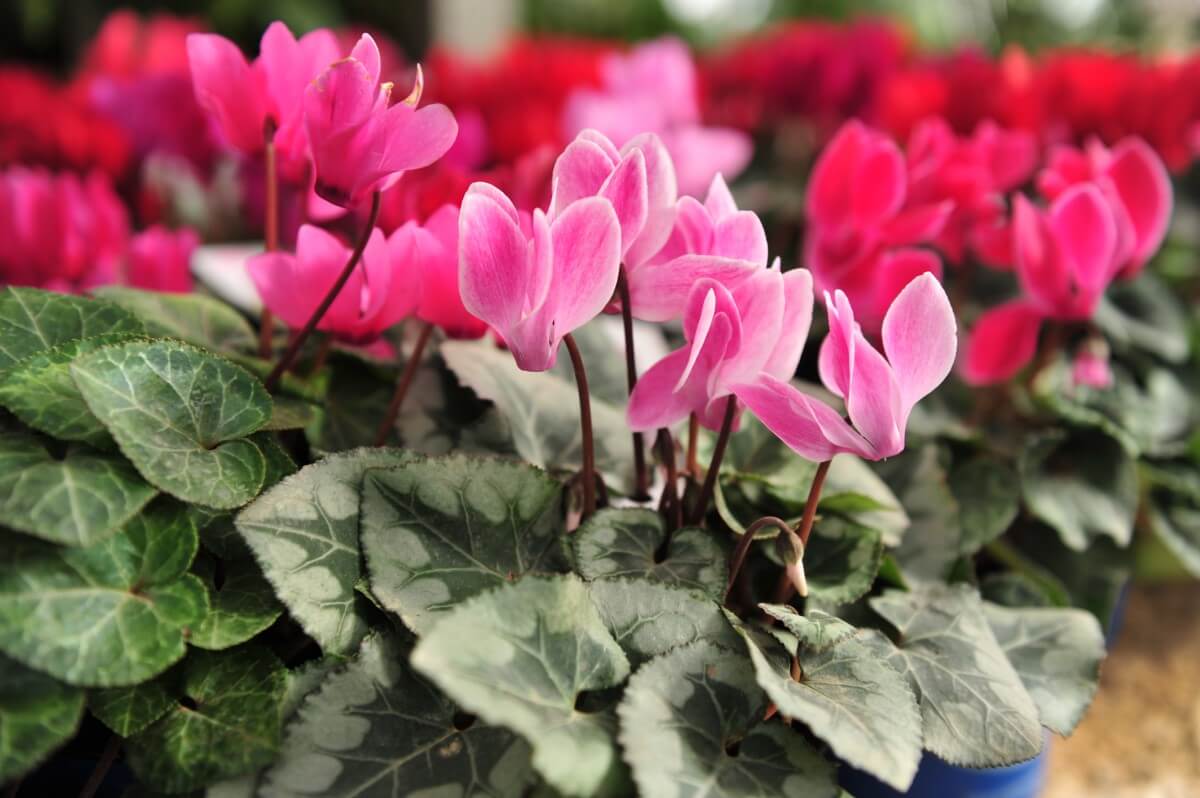
The focal point of December is, of course, Christmas. While our minds turn to gifting, there are plenty of festive plants to enjoy as well.
Holly and mistletoe are berried greenery for wreaths and cut-stem displays rather than flowers, and both are toxic to cats and dogs, so keep them out of reach of pets. The poinsettia is bought as a florist's plant at Christmas; its showy red parts are bracts (modified leaves), not petals, and its true flowers are small and yellow at the base of the bracts. The Christmas rose (Helleborus niger) blooms around Christmas in warmer regions and in early spring in cooler areas, and is rated a good cut flower; it is toxic to cats and dogs.
January
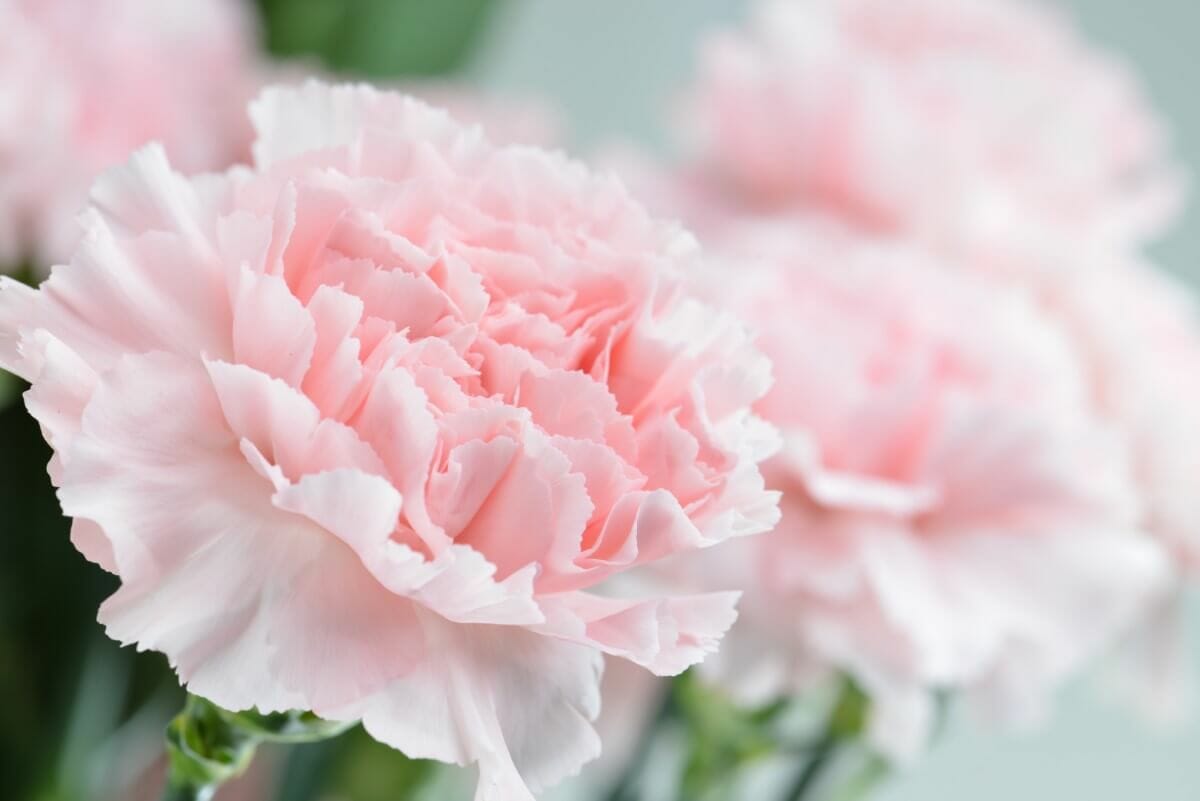
January's garden color comes from the Christmas rose and, in zones 7 to 9, camellias, whose flowering can run from October to mid-March. Winter jasmine, a sprawling shrub rather than a climber, bears bright yellow flowers in January or February in zones 6 to 10.
February
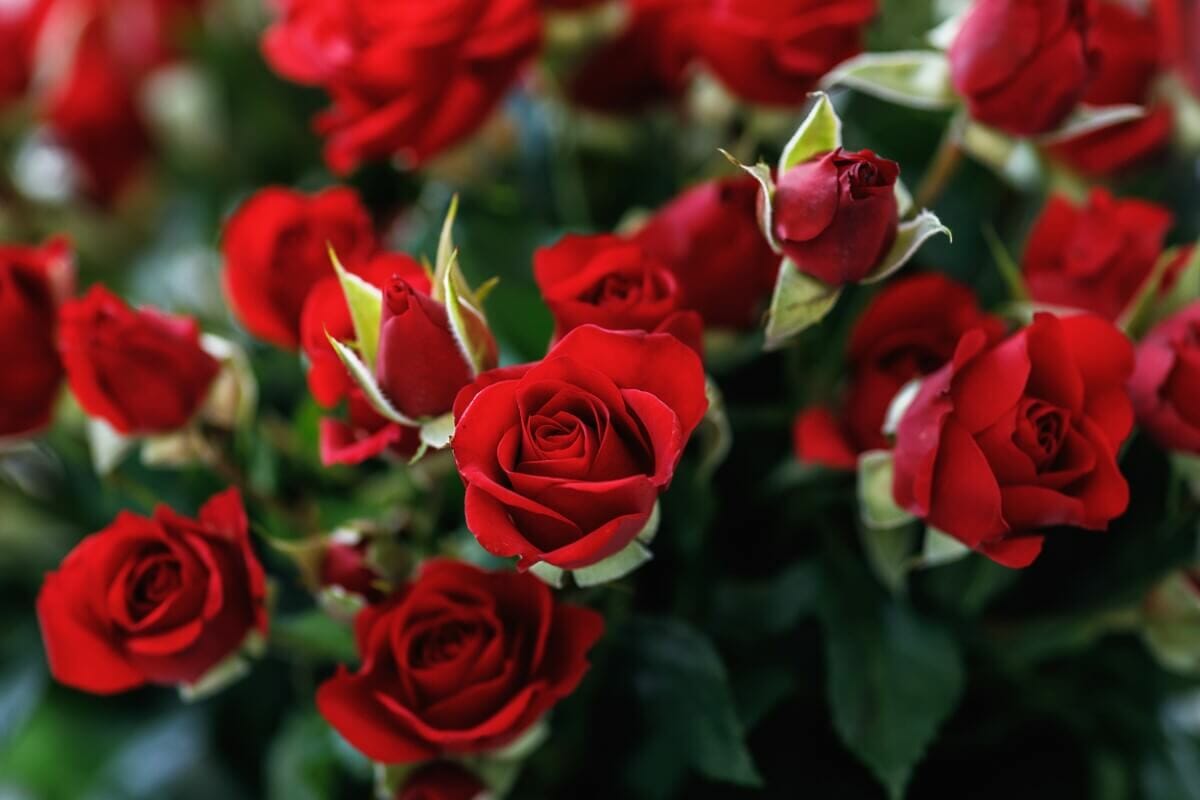
Daffodil cultivars bloom anywhere from December to May, for two to three weeks each. Snowdrops are still in bloom, and winter daphne (Daphne odora, zones 7 to 9) bears deeply fragrant pink, lavender or white flowers in mid-to-late winter.
Valentine's Day falls in February. Daffodils are toxic to cats and dogs, while the Peruvian lily (Alstroemeria) is not a true lily and is listed as non-toxic to cats, dogs and horses.
Seasonal Flowers by Month in Spring
Spring brings tulips, which bloom in middle to late spring, and daffodils, whose cultivars bloom anywhere from December to May. The garden gradually gets brighter thanks to the emergence of bulbs.
Primroses bloom in April, while camellia flowering finishes by mid-March at the latest (zones 7 to 9). Lilac blooms in mid- to late spring and makes an excellent cut flower, and forsythia is rated a good cut flower.
March
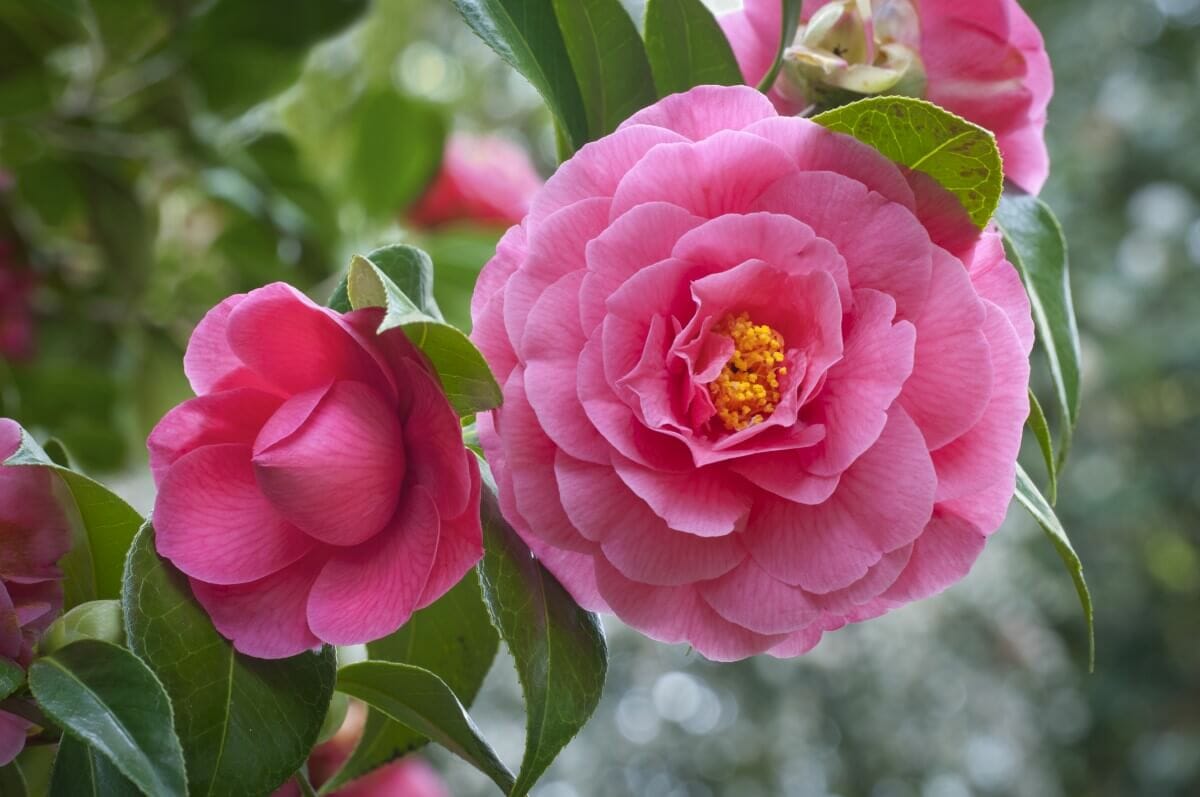
March is when spring bulbs start to open, with camellia flowering ending by mid-March. In March, daffodils, hyacinths and Virginia bluebells (Mertensia virginica, which flowers from March to May) are in bloom in much of the US.
April
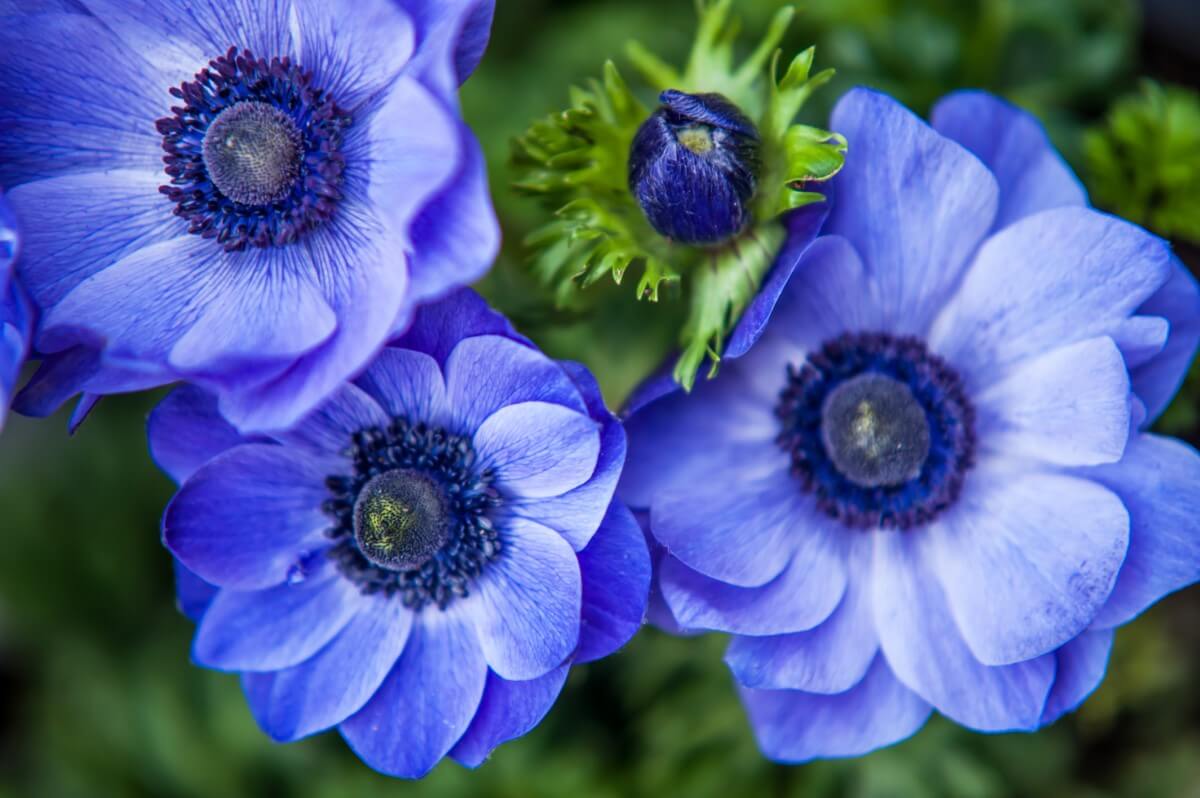
April's flowers include tulips, primroses and Virginia bluebells (March to May).
May
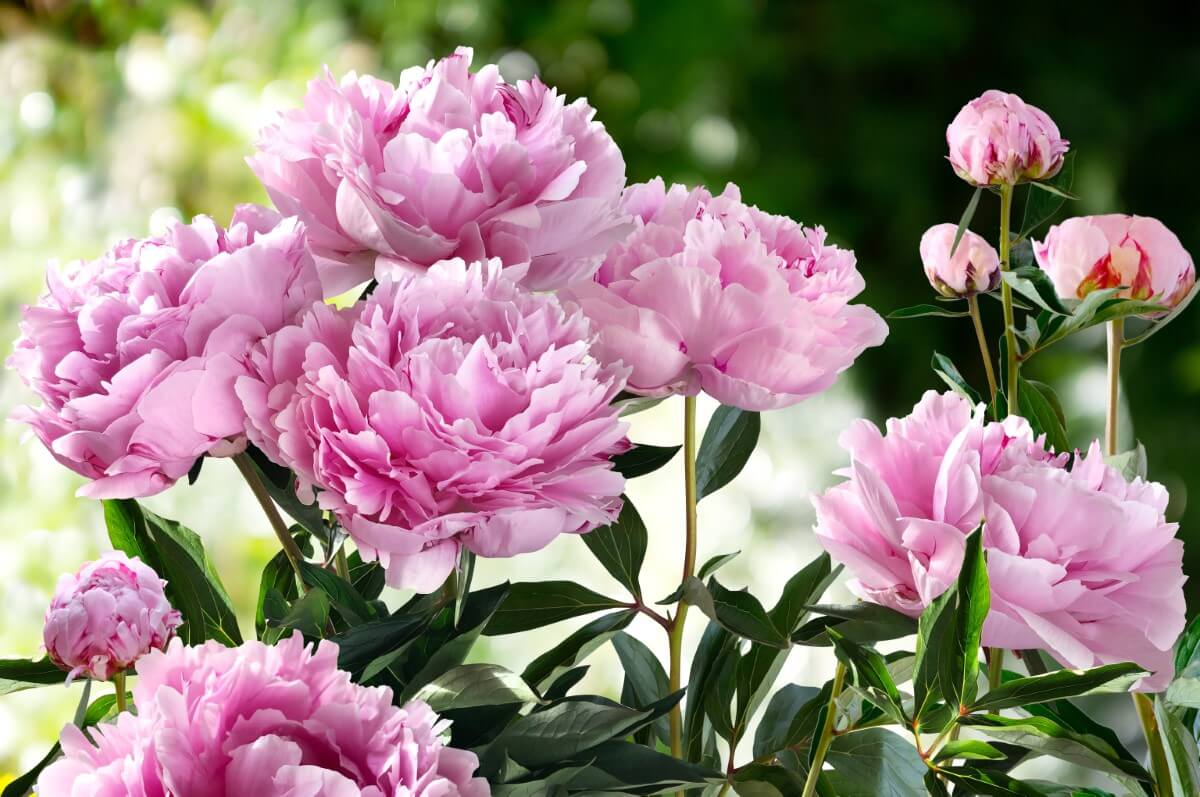
May's cut flowers include peonies (late spring to early summer), lilac (mid- to late spring) and late tulips. Dahlia tubers go in the ground in spring after the danger of frost has passed, and the plants bloom from midsummer until frost.
Seasonal Flowers by Month in Summer
Summer brings a long stretch of bloom, with summer-flowering bulbs blooming from early summer into fall in much of the US. Sunflowers (July to October), hydrangeas and lilies (June to August) are common summer bloomers. True lilies (Lilium) are toxic to cats, so keep lily bouquets away from cats.
Many of these varieties make excellent cut flowers, especially hydrangeas and peonies. When growing summer flowers, remember to keep deadheading them as the blooms expire. This helps encourage an extra burst of fresh flowers as the season goes on. Always keep your flowers well-watered in hot, dry periods to avoid problems.
June
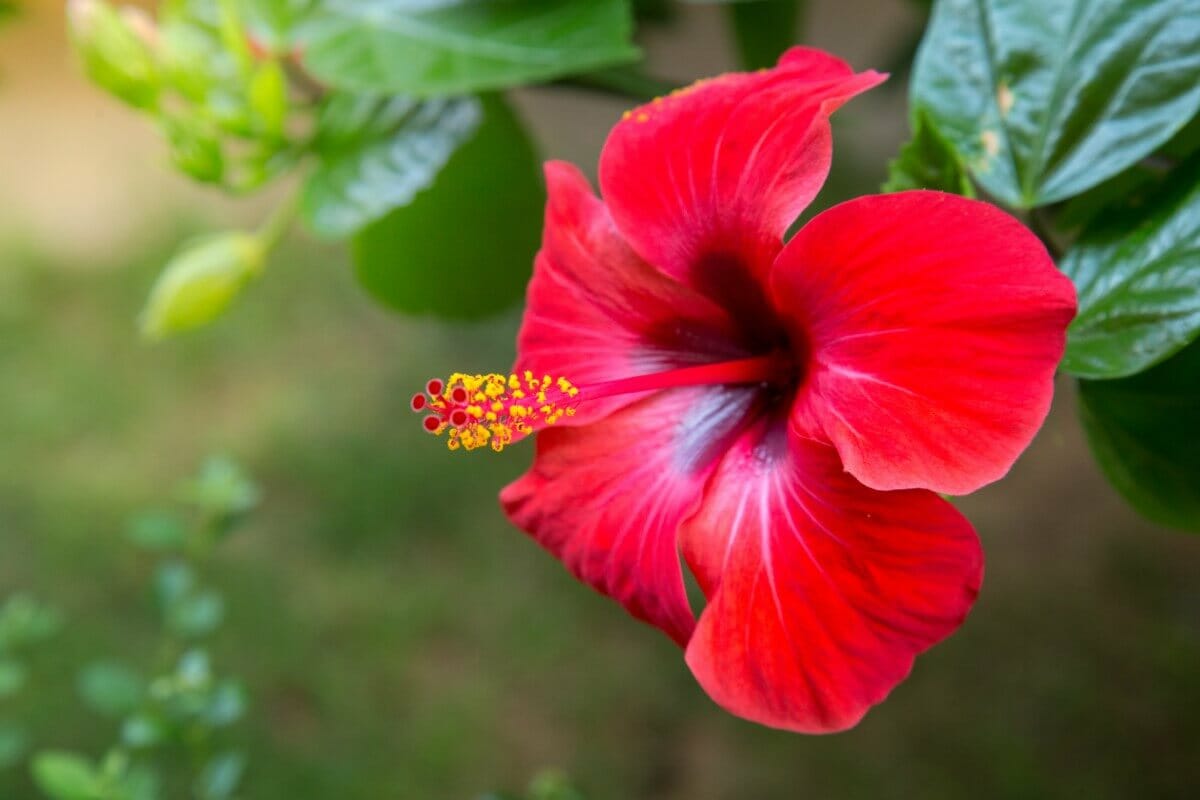
Carnations and pinks are both Dianthus; the carnation (Dianthus caryophyllus) blooms in summer and prefers cooler summer climates. Other June flowers are foxgloves (spring to summer), delphiniums (summer, rated good cut flowers) and lilies. Foxglove is toxic to cats and dogs.
Roses bloom through the summer.
July
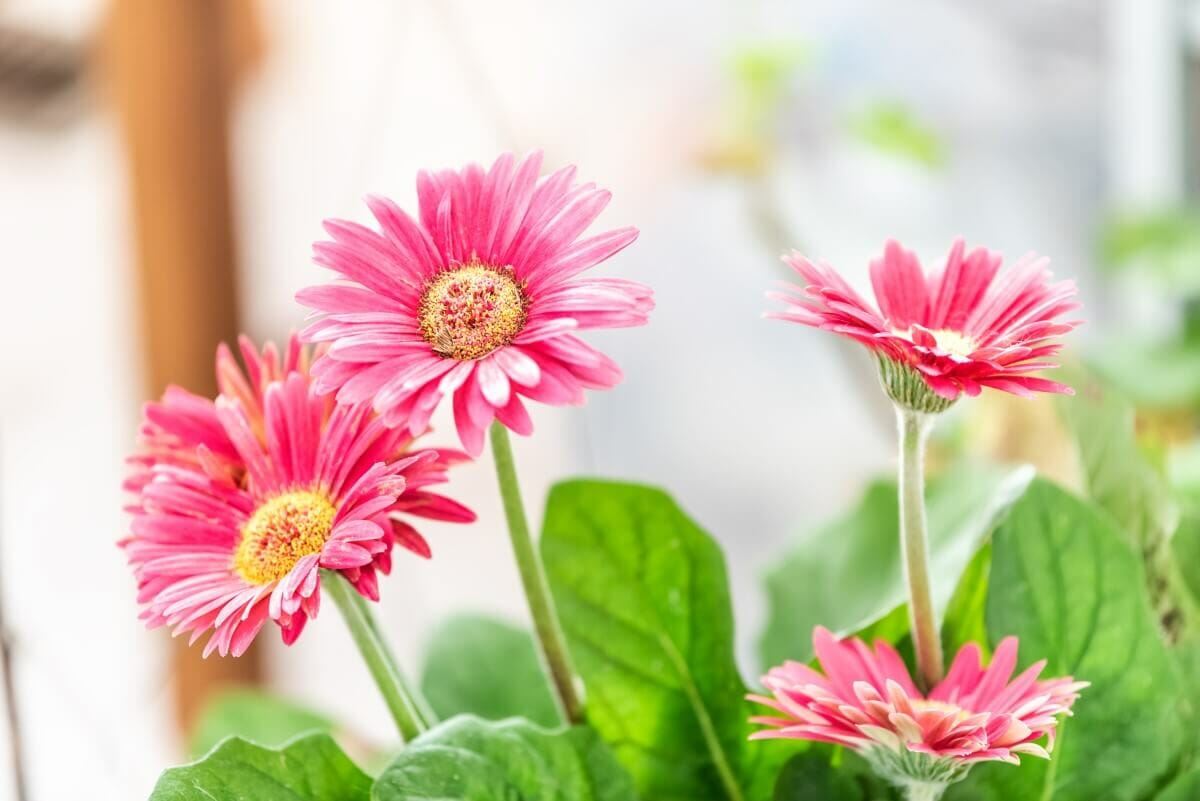
July is the height of summer across much of the US. July's flowers include sunflowers (July to October), agapanthus (mid to late summer, zones 8 to 11), hydrangeas and zinnias. Sunflowers, agapanthus and hydrangeas are all rated good cut flowers.
August
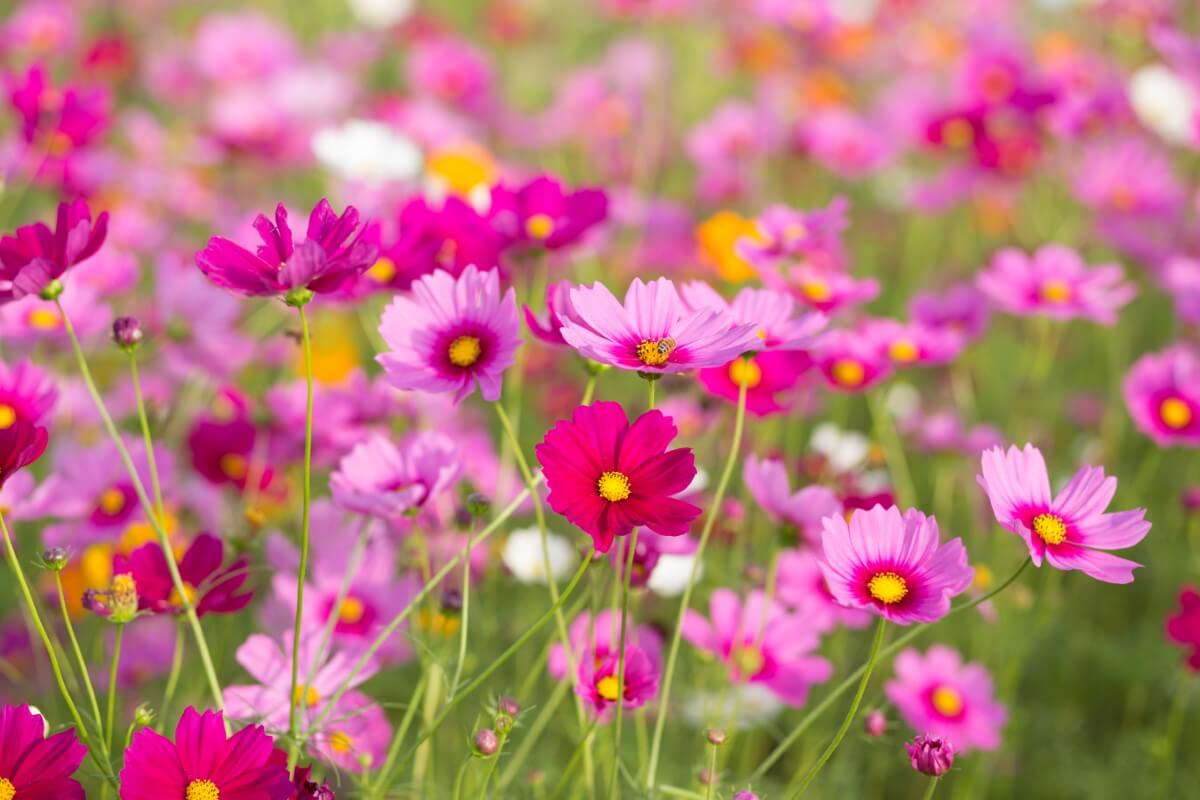
Hydrangeas and agapanthus are still flowering in August. Dahlias bloom from midsummer until frost, and cosmos are rated a good cut flower.
Seasonal Flowers by Month in Fall
As summer's heat gives way to cooler weather, many flowers keep blooming. In fall, dahlias bloom until frost, rudbeckias continue into the middle of fall, and gerbera daisies keep going in mild climates (zones 8 to 10).
Hardy spring-flowering bulbs are planted in late summer or early fall, and daffodils in October or November.
Asters and snapdragons make good cut flowers; chrysanthemums bloom in fall, and dahlias flower until frost.
September
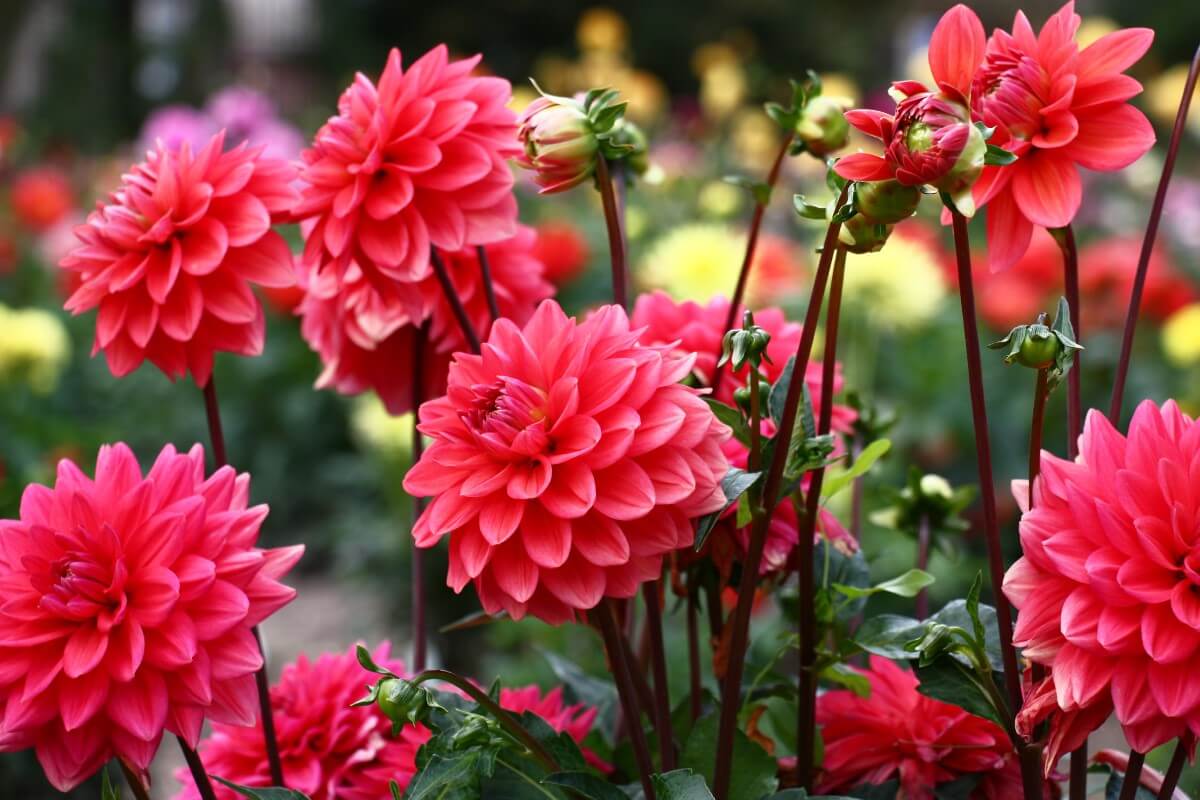
In September, dahlias, echinacea (early summer through mid-fall), gerbera daisies, and New England asters are in bloom.
October
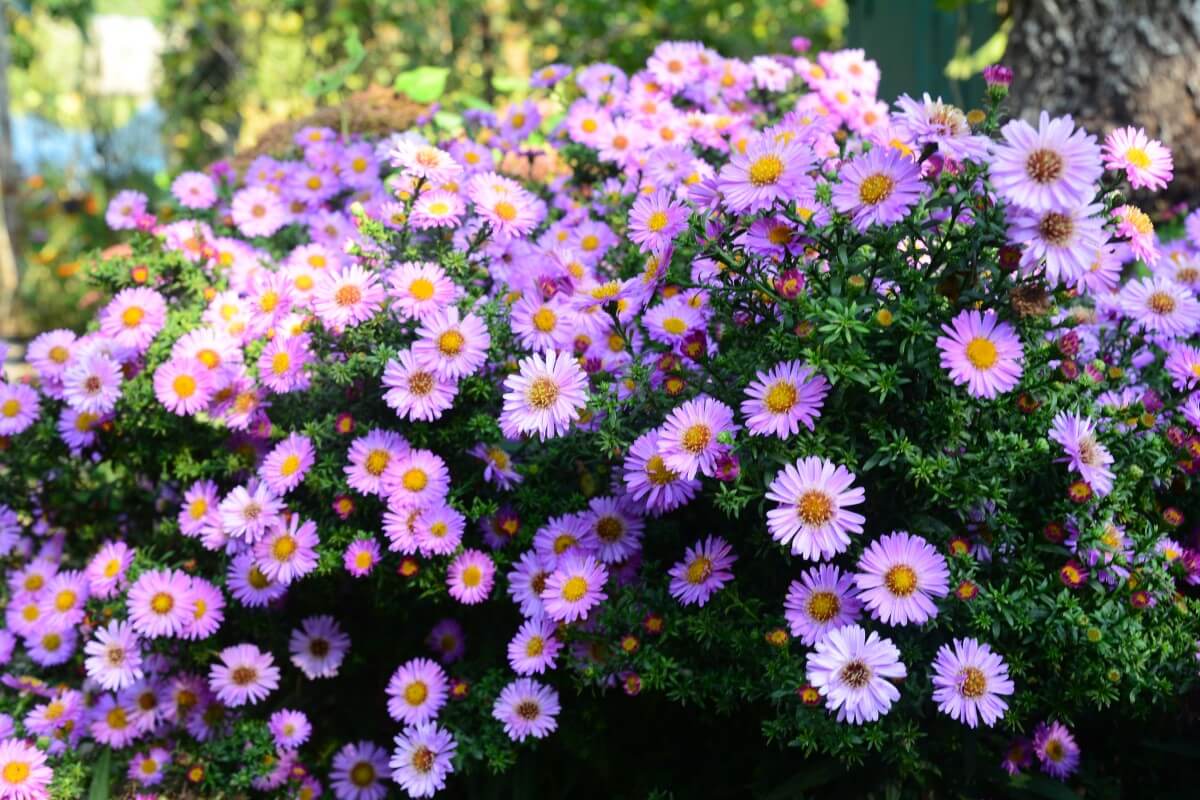
Chrysanthemums are the flower of fall, and autumn crocus (Colchicum) blooms in early to mid fall.
November
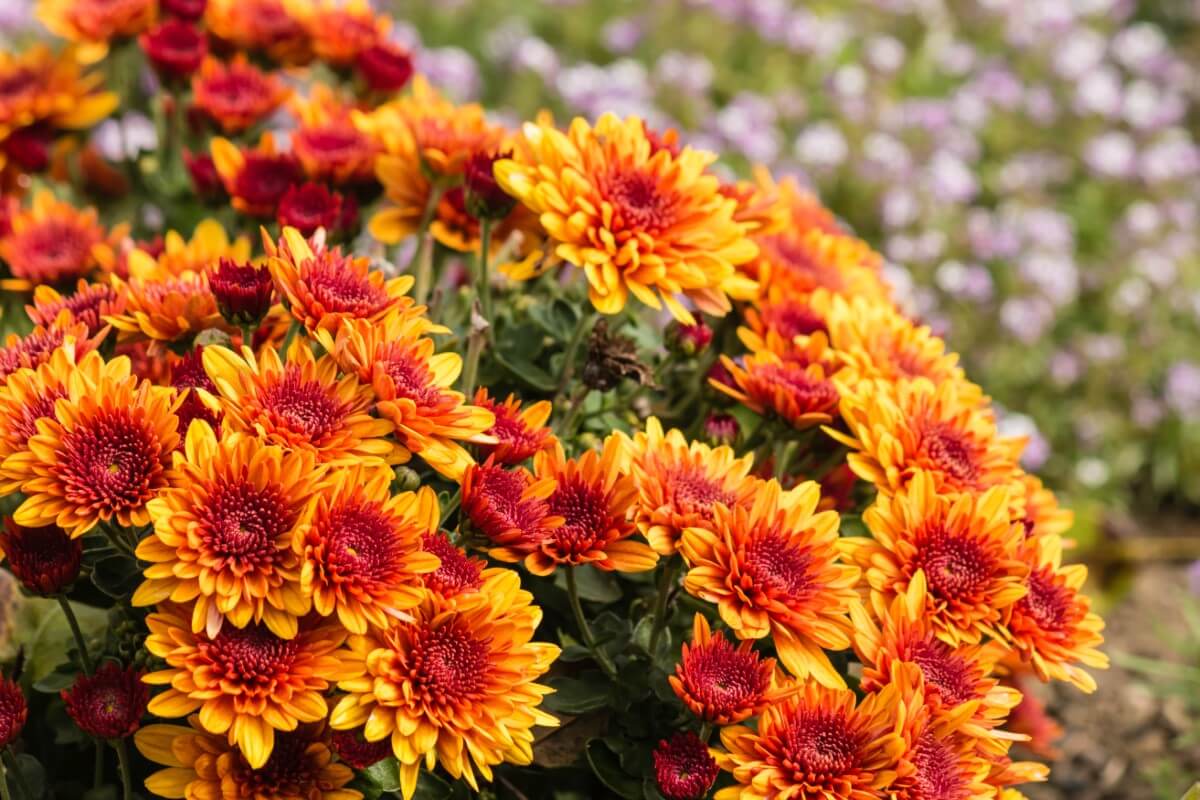
November's flowers include chrysanthemums (fall) and sasanqua camellias (late fall to winter, zones 7 to 9).
Thanksgiving takes place in November, so why not use cut flowers for a table centerpiece? Chrysanthemums and roses suit a Thanksgiving centerpiece, but lilies and chrysanthemums are toxic to cats, so choose differently in a home with cats.
When to Plant for Each Season
Hardy spring bulbs go in the ground in late summer or early fall, and tender summer bulbs such as dahlias and gladiolus in spring after the danger of frost. Lilies go in fall or spring, and autumn crocus in August. These dates suit a mild Southern climate, so adjust them for your region.
| Plant for | When to plant | When it blooms |
|---|---|---|
| Spring bulbs (daffodil, tulip, hyacinth, crocus) | Late summer or early fall; Clemson advises daffodils in October or November and chilled tulips from November to late December | Spring |
| Summer bulbs (dahlia, gladiolus) | Spring, after danger of frost; stagger gladiolus plantings a week or so apart | Dahlia: midsummer until frost |
| Lilies | Fall or spring, whenever bulbs are available | June to August |
| Autumn crocus (Colchicum) | August | Early to mid fall |
Why You Can Buy Peonies and Tulips Out of Season
Seasonal is not the same as available. A herbaceous peony plant blooms for about two weeks in late spring to early summer, yet florists' catalogs carried peony and tulip bouquets on October 15, 2026. Imports are one reason: the US brings in cut flowers and nursery products from 81 countries, worth $3.3 billion in 2022, with Colombia supplying about 37 percent of the value from 2018 to 2022.
Choosing Flowers for Your Month
The best flowers for any month are the ones in bloom near you. Pick up this month's stems or bulbs and see what the season has to offer.
Each month's birth flowers have their own guides, from the January birth flower to the December birth flowers, and our flower guides cover each flower by type.
Questions and Answers
Which seasonal flowers are safe around cats and dogs?
Several seasonal flowers are safe around cats and dogs, including Peruvian lilies, snapdragons, zinnias, gerbera daisies and camellias. However, tulips, daffodils, hyacinths, chrysanthemums, dahlias and hydrangeas are toxic to both cats and dogs, and true lilies (Lilium) are toxic to cats specifically. If you suspect your pet has eaten any plant, contact your veterinarian or the ASPCA Animal Poison Control Center.
Why can you buy amaryllis at Christmas if it is a summer bulb?
Amaryllis is a summer-flowering bulb normally planted in spring after frost, but it can be potted indoors between mid-autumn and late winter to bloom about five weeks later, which is why it appears at Christmas. The bulbs can also be started indoors in early spring and moved outside for late spring to early summer bloom. Note that amaryllis is toxic to dogs, cats and horses, so keep it out of reach and contact your veterinarian or the ASPCA Animal Poison Control Center if ingested.
Sources42 sources, linked in the text
- NC State Extension Gardener Plant Toolbox, Snowdrop
- ASPCA, American Holly
- NC State Extension Gardener Plant Toolbox, Poinsettia
- NC State Extension Gardener Plant Toolbox, Black hellebore
- NC State Extension Gardener Plant Toolbox, Japanese camellia
- NC State Extension Gardener Plant Toolbox, Winter jasmine
- NC State Extension Gardener Plant Toolbox, Daffodil
- NC State Extension Gardener Plant Toolbox, Winter daphne
- ASPCA, Daffodil
- NC State Extension Gardener Plant Toolbox, Tulip
- NC State Extension Gardener Plant Toolbox, Primrose
- NC State Extension Gardener Plant Toolbox, Common lilac
- NC State Extension Gardener Plant Toolbox, Virginia bluebells
- NC State Extension Gardener Plant Toolbox, Herbaceous peony
- Clemson Cooperative Extension, Summer- and Fall-Flowering Bulbs (HGIC 1156)
- Illinois Extension, Landscaping with Bulbs
- NC State Extension Gardener Plant Toolbox, Sunflower
- ASPCA, Lily
- NC State Extension Gardener Plant Toolbox, Bigleaf hydrangea
- NC State Extension Gardener Plant Toolbox, Carnation
- NC State Extension Gardener Plant Toolbox, Foxglove
- ASPCA, Foxglove
- NC State Extension Gardener Plant Toolbox, Rose
- NC State Extension Gardener Plant Toolbox, African blue lily
- NC State Extension Gardener Plant Toolbox, Garden cosmos
- NC State Extension Gardener Plant Toolbox, Black-eyed Susan
- University of Maryland Extension, Bulbs
- NC State Extension Gardener Plant Toolbox, Snapdragon
- NC State Extension Gardener Plant Toolbox, Purple coneflower
- NC State Extension Gardener Plant Toolbox, Sasanqua camellia
- ASPCA, Chrysanthemum
- USDA Economic Research Service, Charts of Note
- ASPCA, Common Snapdragon
- ASPCA, Zinnia
- ASPCA, Gerber Daisy
- ASPCA, Camellia
- ASPCA, Tulip
- ASPCA, Hyacinth
- ASPCA, Dahlia
- ASPCA, Hydrangea
- NC State Extension Gardener Plant Toolbox, Hippeastrum
- ASPCA, Amaryllis
Updates and CorrectionsOct 20, 2026 · 2 corrected, 1 clarified, 2 removed
- Added: Month cards with what blooms in US gardens and what makes a good cut flower each month, a table of how bloom times shift by region, planting times, and why florists sell some flowers out of season.
- Corrected: The month lists named UK garden flowers, plants that are not flowers and flowers out of their US season (peonies in November); each month now follows US extension bloom calendars.
- Clarified: The page now covers what is in season in the US; each month's birth flowers and their meanings are on that month's own page.
- Removed: UK holiday references and repeated birth-month lines.
- Corrected: Dahlia bloom times now agree across the page: midsummer until frost.
- Removed: Unsourced lines on Valentine's roses, bulb scents and seasonal filler; lily, tulip and chrysanthemum pet cautions were added.
Save and Share
Reader Comments
Have a question? Ask it here.