
Birth Flowers
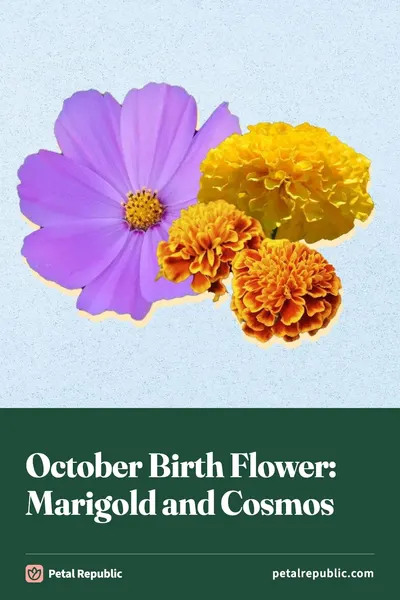
October Birth Flower: Marigold and Cosmos


Founder & Editorial Director
Credentials
- Executive MBA
- More than 20 years in media and publishing
- Director , Blue Astoria Media Group Ltd, since September 2019 Companies House
Writing for Petal Republic since 2020 · 20 articles
Expertise
Media and publishing, Editorial standards, Flower delivery testing
Which flowers belong to October, what the marigold and cosmos mean, which marigold is meant, and whether either is safe around pets.
In Short
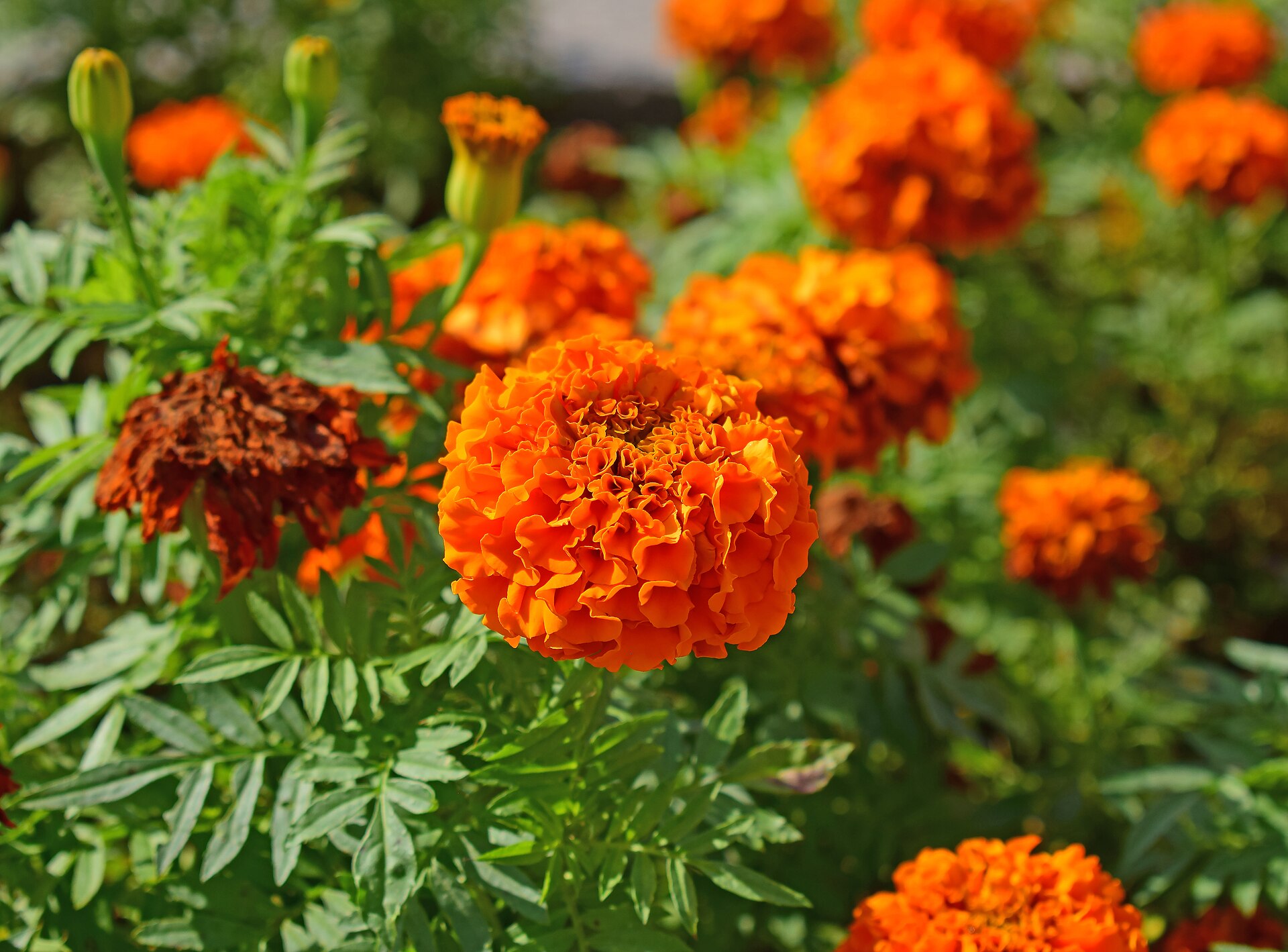
October's birth flowers are the marigold, for joy, warmth and remembrance, and the cosmos, for harmony, peace and love. It is a modern custom on almanac lists, not a ruling by any body, and the Victorians read the marigold as grief and left the cosmos out.
- Use marigolds for Day of the Dead, when their colors and scent are believed to guide souls to the family's ofrenda.
- Match the cosmos color to the message: red for love and passion, pink for a mother's love, yellow for friendship, white for faithfulness and devotion.
More Takeaways
- Send a marigold to say remembrance or joy today, but expect anyone who knows the old flower dictionaries to read it as grief.
Marigold: The Primary October Birth Flower
The marigold on October's birth flower list is the garden marigold, genus Tagetes, an annual with daisy-like blooms; the pot marigold, Calendula, is a different plant. The garden marigold blooms in yellow, orange, red, gold and bicolors from early summer to early fall.
Where the Marigold Comes From
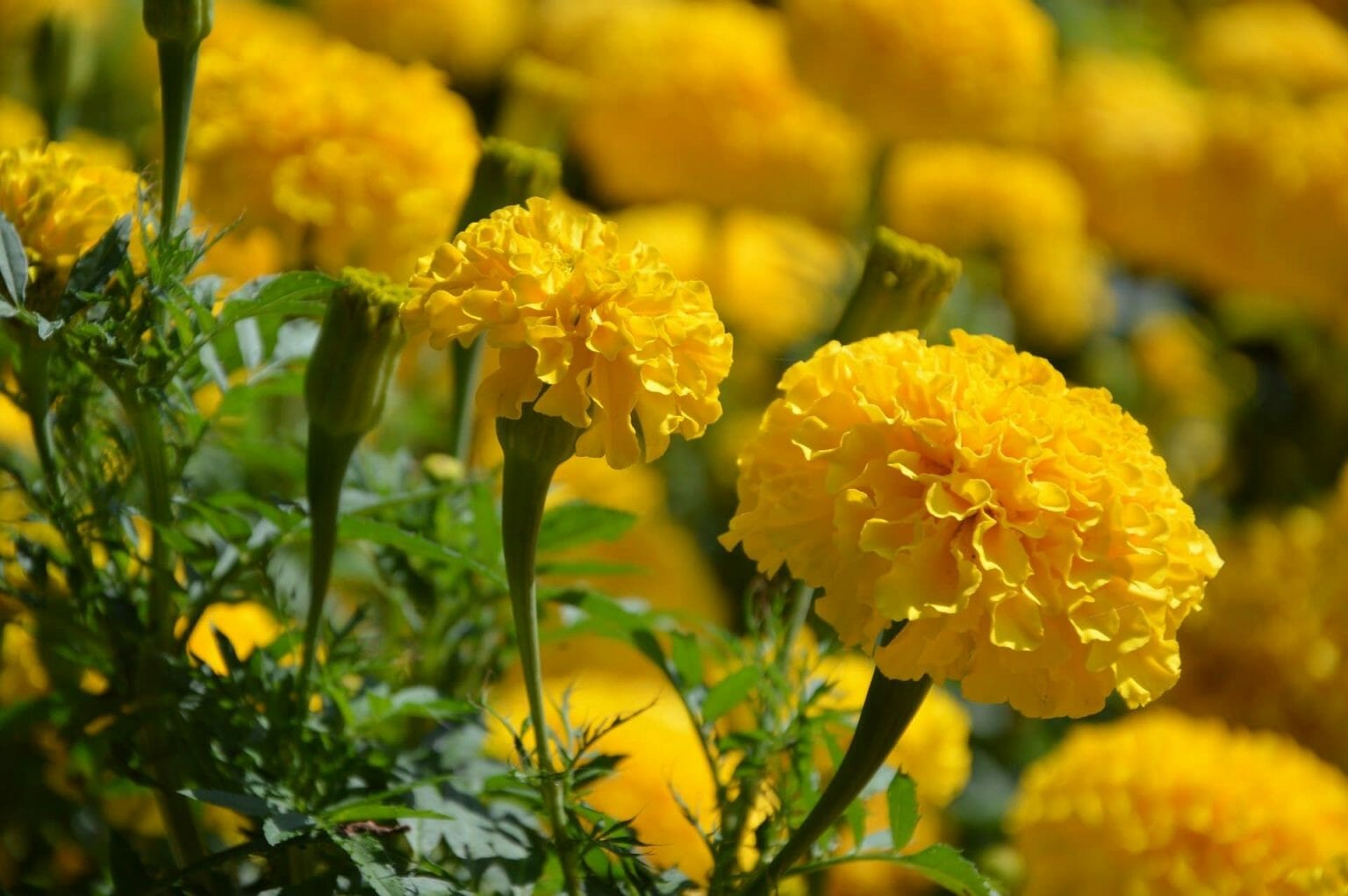
The garden marigold is native to the Americas, from the southwestern United States into South America, and is now a popular, easy annual in gardens worldwide.
The Aztecs were the first to cultivate marigolds on record, using them in medicine and ritual and believing them magical. In the 16th century, conquistadors took marigolds to Spain, where monks propagated them in monasteries. From Spain the marigold spread across Europe, then to Africa and India.
The name marigold is a shortening of “Mary’s gold,” first given to the Calendula, the pot marigold peasants offered to the Virgin Mary; the Tagetes later took the name.
In India, giving a marigold lei was a sign of friendship.
What the Marigold Means
- Where This Comes From
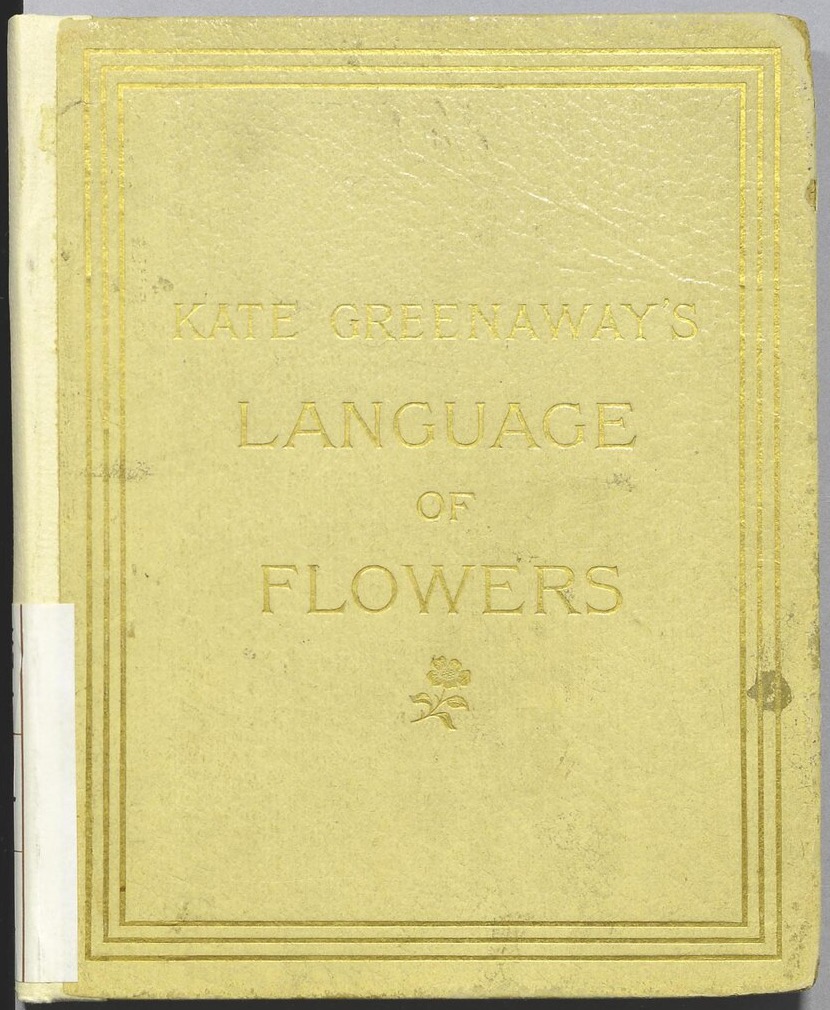
- Kate Greenaway's Language of Flowers (1884) and Dumont (1851) for the Victorian readings; Weblio's flower-language entry for the Japanese; The Old Farmer's Almanac for today's
- Pet Safety
- Pot marigold (Calendula): non-toxic to cats and dogs (ASPCA). Garden marigold (Tagetes): not on the ASPCA's lists; NC State rates African marigold a low-severity poison for people, with sap plus sunlight blistering skin
In Mexico, marigolds are central to the Day of the Dead, where their color and scent are thought to guide spirits home. The colorful flowers often decorate household altars and cemetery graves as families remember their departed loved ones.
In India the marigold is tied to the sun and is part of weddings and Diwali.
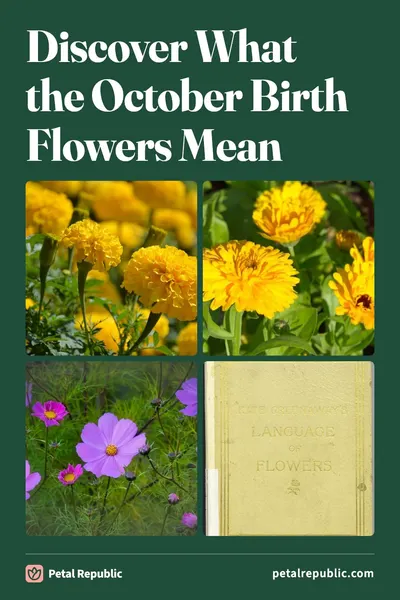
Today's lists read the marigold as joy, warmth, remembrance, and prosperity. For October's two flowers together, the same lists add optimism, cheer, wealth, and success.
Marigolds have long been tied to death and grief as well as to joy.
In the Victorian language of flowers, the marigold meant grief; another dictionary of the time called it the conventional emblem of distress of mind. The French marigold meant jealousy, and the African marigold meant vulgar minds.
For more, see our Ultimate Guide to Marigold Flower Meaning & Symbolism.
Marigold or Calendula: Which Plant Is the October Flower?
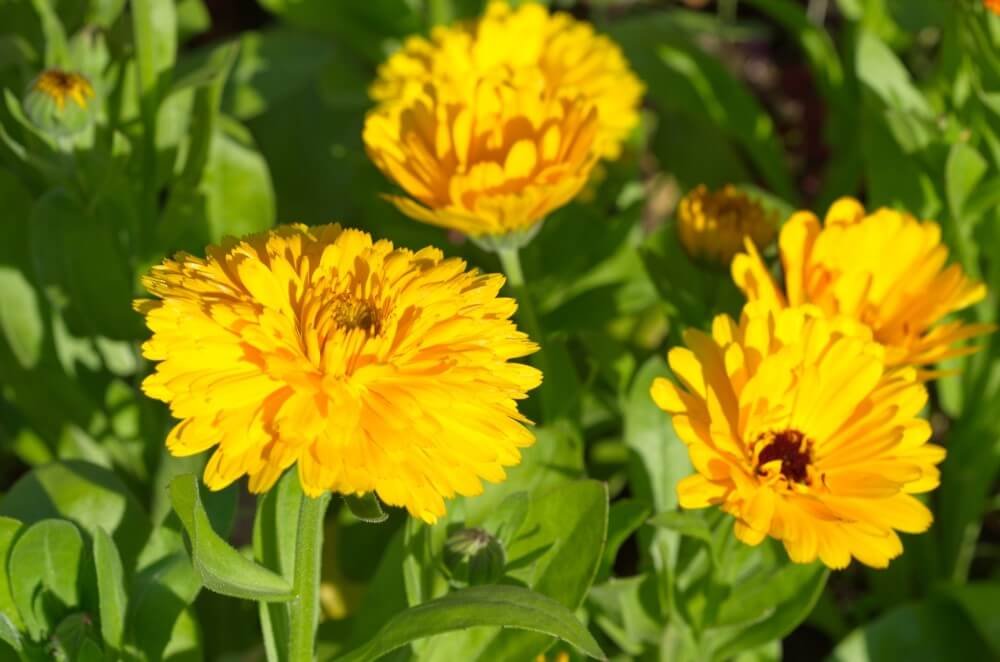
October's marigold is the garden marigold, Tagetes, an American plant tied to the Aztecs and the Day of the Dead. The pot marigold, Calendula, is European and is not a true marigold; it first carried the nickname Mary's gold. The Victorian grief entries most likely describe Calendula, the Romans' flower of the calends.
Garden marigold
- Botanical name
- Tagetes (African, French and signet)
- Native to
- The Americas, from the southwestern US to South America
- Known for
- The Aztecs and Día de los Muertos
October's marigold
Pot marigold
- Botanical name
- Calendula
- Native to
- Southern Europe
- Known for
- The name Mary's gold, and likely the Victorians' grief
Not a true marigold
Cosmos: The Secondary October Birth Flower
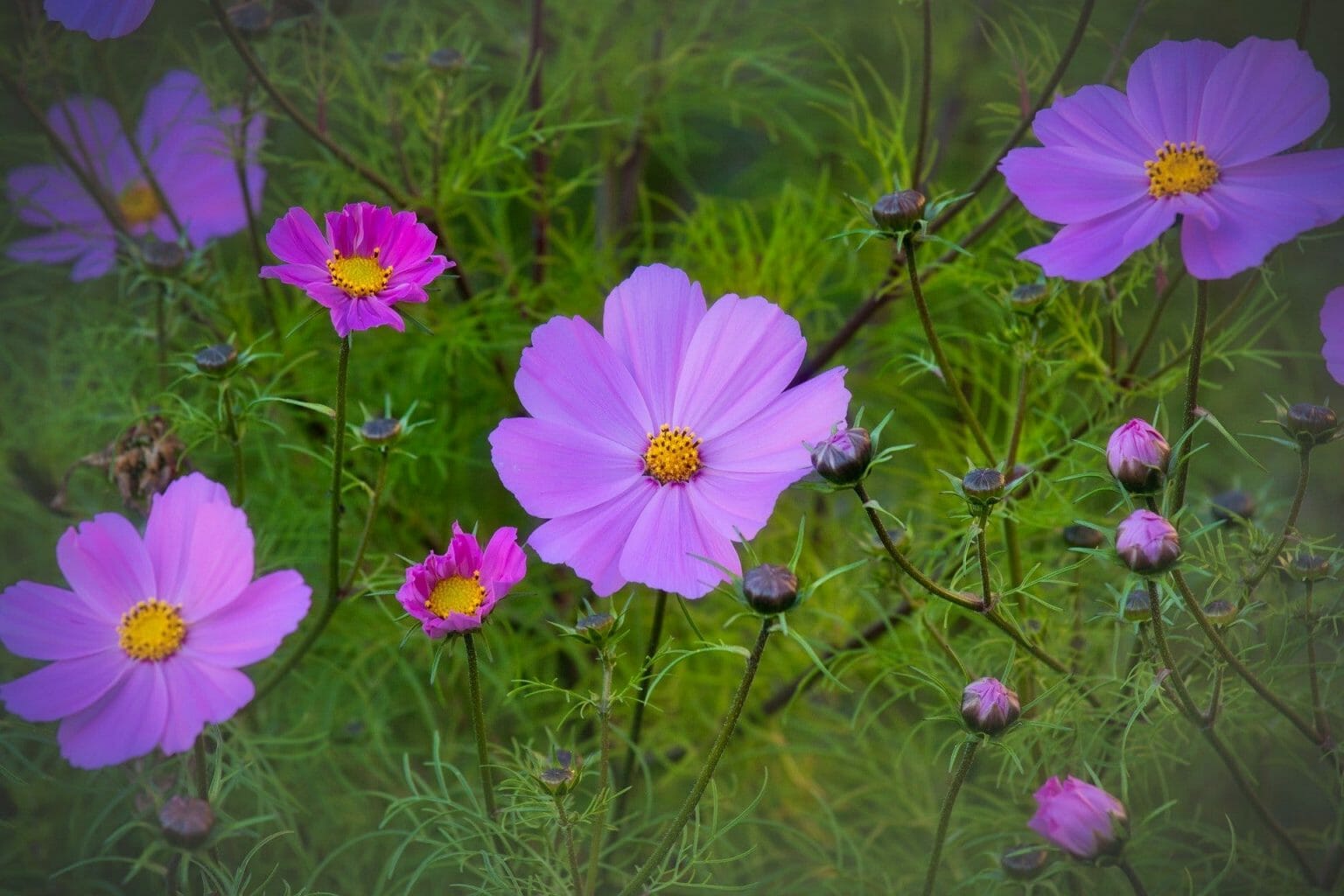
The cosmos is October’s secondary birth flower on the same list. Cosmos is a daisy-family annual that blooms from early summer to the first frost. The cosmos is native to Mexico and has naturalized along roadsides and in fields across many parts of the United States.
Where the Cosmos Comes From
The genus name comes from the Greek kosmos, meaning the order and harmony of the universe. Spanish priests who grew it in Mexican mission gardens are said to have chosen the name for the orderly arrangement of its petals.
This October flower blooms in several shades of pink, purple, red, orange, yellow, and white.
Cosmos is easy to grow in at least a half-day of direct sunlight and well-drained soil, tolerates hot, dry conditions, and often reseeds itself.
What the Cosmos Means
- Where This Comes From
- The Old Farmer's Almanac for today's readings; Weblio's slang-dictionary entry for the Japanese reading; Kate Greenaway's Language of Flowers (1884) and Dumont (1851) list no cosmos
- Pet Safety
- Not on the ASPCA's lists
Victorian flower dictionaries list no cosmos, so its meanings are modern; today's lists read it as harmony, balance, peace, love, and innocence.
Once, cosmos was thought to attract fairies to gardens.
Growers counted the cosmos lucky, since it was said to repel insects that destroy other plants.
Cosmos Flowers and Wedding Anniversaries
The cosmos is a popular wedding anniversary flower for second anniversaries, though this is one list's pick, not a rule.
For more, see our essential guide to Cosmos flower meaning and symbolism.
Which October Flower Is the Main One, and Whose List Is It?
Cultures do not agree on which flowers belong to which months, and some flowers are not available in every region, so lists give some months a primary and a secondary flower. The usual list gives October the marigold first and the cosmos second.
The specific flowers associated with each month have varied throughout history and between cultures. In the Victorian language of flowers, dictionaries recorded grief for the marigold but none for the cosmos.
The usual list rests on folklore likely developed in the Northern Hemisphere, and no body is known to designate birth flowers; “official” means only the list usually accepted. It’s similar to birthstones, where each month is associated with a specific gemstone.
For more, see our in-depth guide to the Official Birth Month Flowers.
How the Victorian, Japanese and Modern Meanings Compare
The Victorian dictionaries give the marigold grief and the cosmos nothing. Japan's flower-language entries read the marigold as sorrow and the cosmos as obedience. Today's lists read the marigold as joy and remembrance and the cosmos as harmony and peace, so the traditions meet only on grief, and then for the Victorian plain "Marigold".
Garden marigold
Readings differ
- VictorianJealousy (French), vulgar minds (African)
- JapaneseSorrow
- TodayJoy, warmth and remembrance
Marigold in the Victorian books
Agree on grief
- VictorianGrief
- TodayGrief, among other meanings
Cosmos
Readings differ
- VictorianNo entry
- JapaneseObedience
- TodayHarmony, peace and love
Cosmos by colour, today
Modern readings only
- RedLove and passion
- PinkA mother's love
- YellowFriendship
- WhiteFaithfulness and devotion
Birth Month Flower Calendar
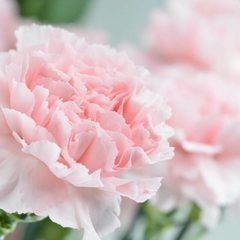 01JanuaryCarnation · Snowdrop
 02FebruaryViolet · Primrose · Iris
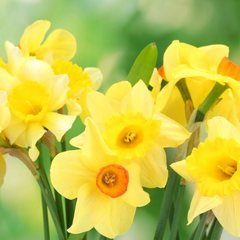 03MarchDaffodil
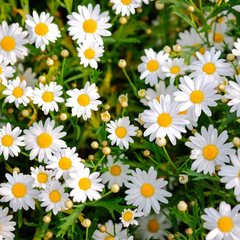 04AprilDaisy · Sweet Pea
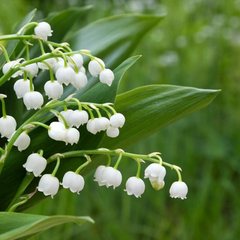 05MayLily of the Valley · Hawthorn
 06JuneRose · Honeysuckle
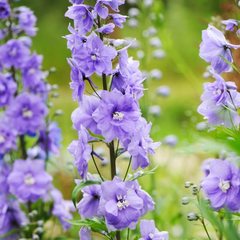 07JulyLarkspur · Water Lily
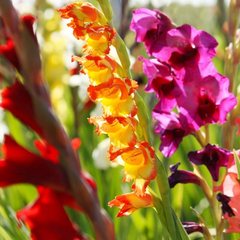 08AugustGladiolus · Poppy
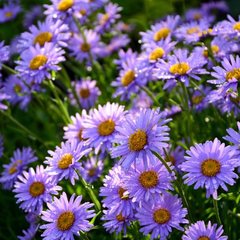 09SeptemberAster · Morning Glory
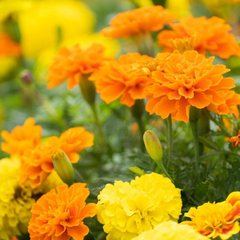 10OctoberYou're hereMarigold · Cosmos
 11NovemberChrysanthemum · Peony
 12DecemberNarcissus · Holly · Poinsettia
Choosing an October Birth Flower
For an October birthday, choose the cosmos color that fits the message you are sending, and keep garden marigold sap off bare skin. Once you have chosen, you can compare flower delivery services to send it. Let the old grief reading stand beside the modern joy and remembrance. Pick the flower that says what the moment needs, and send it with a clear note.
Questions and Answers
Why are marigolds used for Día de los Muertos?
Marigolds are used for Día de los Muertos because their bright colors and scent are believed to guide the souls of the dead to the family’s ofrenda. Petals are scattered to create pathways to these offerings. The Aztecs called the flower cempasúchil, or “flower of 400 lives,” a nod to its profusion of petals, and marigolds have been cultivated in Mexico for more than 2,000 years; they also appear in floral arches, garlands, wreaths, and crucifixes.
Are marigold flowers edible?
Most garden marigolds, the Tagetes species, are generally considered inedible. The edible flowers sold as “pot marigolds” or English marigolds are Calendula officinalis, a different plant. Some Tagetes sap or juice can cause a rash on contact.
Why is it called an African marigold if it comes from the Americas?
African marigolds are named for the trade route through northwest Africa that carried them to new regions, not for their origin. They are native to Mexico and Guatemala. French marigolds, by contrast, were named for their popularity in French gardens.
When should you plant marigold and cosmos seeds?
Start marigold seeds indoors 6 to 8 weeks before your last frost date and set the plants out after that date. Sow cosmos seeds directly outdoors after the danger of frost is past and when the soil has warmed to at least 65 degrees.
Sources9 sources, linked in the text
- The Old Farmer's Almanac, October Birth Flowers
- Penn State Extension, Marigolds: From Folklore to the Home Garden
- Dumont, The Language of Flowers (1851)
- Kate Greenaway, The Language of Flowers (1884)
- The Old Farmer's Almanac, Birth Month Flowers and Their Meanings
- Weblio, マリーゴールド (flower-language entry)
- UF/IFAS Extension Putnam County, Marigolds: Blooms of Cultural Significance
- NC State Extension Plant Toolbox, Tagetes erecta
- NC State Extension Plant Toolbox, Cosmos bipinnatus
Updates and CorrectionsOct 21, 2026 · 5 corrected, 1 clarified, 1 removed
- Added: A comparison of the Victorian, Japanese and modern meanings, a table separating the garden marigold from the pot marigold, an answer to why October has two flowers, a source for each meaning, pet safety for both flowers, and a month-by-month calendar.
- Corrected: The page called the marigold and cosmos the official October birth flowers. No body designates birth flowers; the Old Farmer's Almanac lists them as October's flowers.
- Corrected: The page said the Victorians read the marigold as a desire for riches. The Victorian dictionaries give the marigold grief; the French marigold jealousy and the African marigold vulgar minds.
- Corrected: The page mixed two plants under one name. The October marigold is the garden marigold (Tagetes); the nickname Mary's gold and, most likely, the Victorian grief belong to the pot marigold (Calendula).
- Corrected: Marigolds bloom from early summer to early fall, not from spring; the Aztecs' use of them was medicine and ritual, and the marigold spread from Spain across Europe, not to the Americas, where it is native.
- Corrected: The cosmos is native to Mexico and has naturalized across the United States; the page also named South Africa and Argentina, which no source supports.
- Clarified: The cosmos has no entry in the Victorian flower dictionaries; its meanings are modern. The fairy and luck lines are labelled folklore, and the second-anniversary pairing is one list's pick.
- Removed: The Roman origin of birth flowers, the throat chakra, the Hindu 'surrender' reading, the lion association, the chocolate cosmos lines, the cosmos species count and the unsourced colour meanings.
Save and Share

Reader Comments
Have a question? Ask it here.