
Floriography
Begonia Flower Meaning and the Man Behind the Name


Contributing Editor
Credentials
- MA in Anthropology Hearst contributor page
- Master of Library and Information Science Hearst contributor page
Writing for Petal Republic since 2021 · 104 articles
Expertise
Floriography, Flower meanings, Floral design
Published In
SFGate Home Guides
Three plants sold as begonias (climbing, trailing, and watermelon) are not begonias at all, and our guide gives today's readings by color and the occasions a begonia suits.
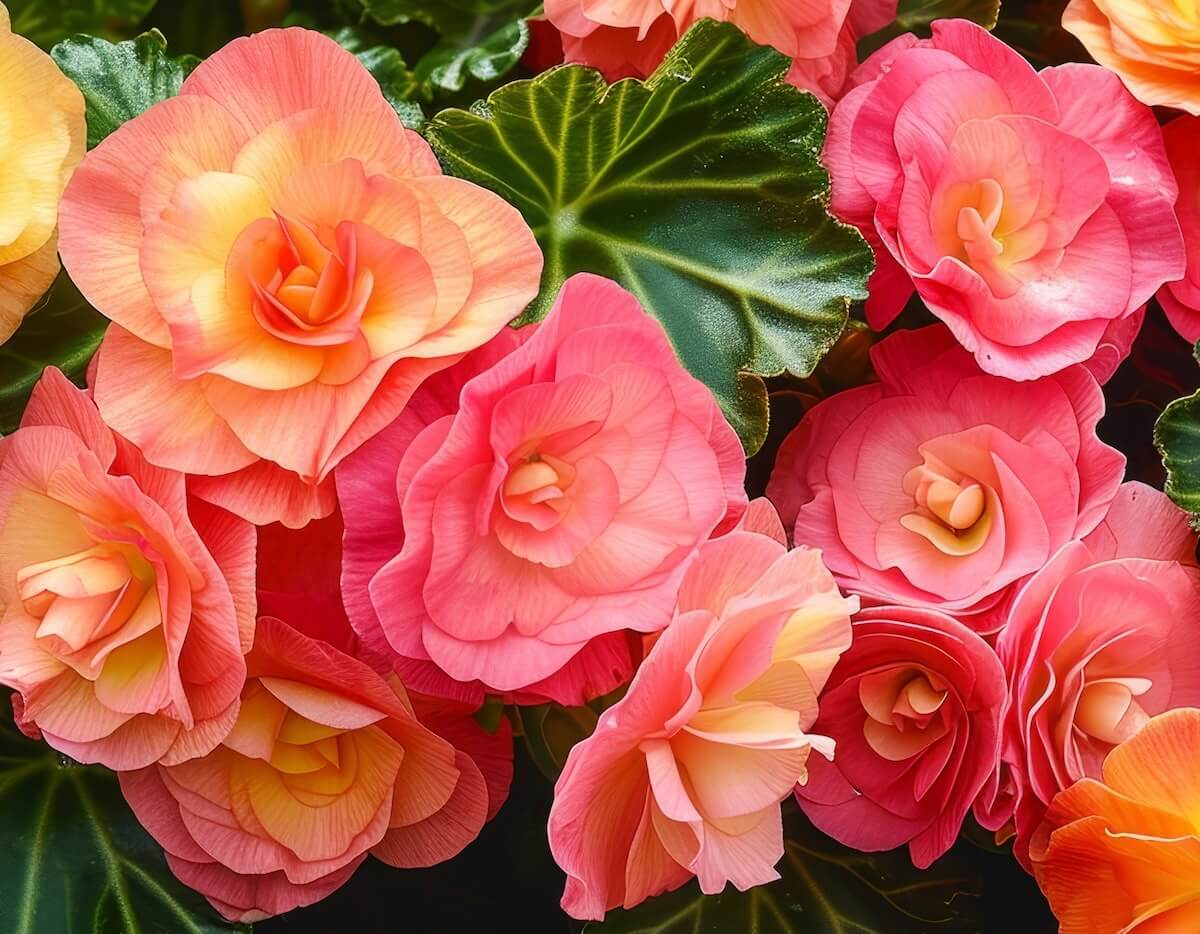
In Short
Begonia flower meaning is often given as gratitude, harmony and individuality by florists and gardening sites. The two best-known Victorian flower dictionaries do not list the begonia, so the popular warning or caution reading has no source in either.
- Red begonias carry a modern reading of romance, yellow of friendship, white of purity, and orange of warmth.
- The genus Begonia was named by Charles Plumier for Michel Bégon, a French naval intendant, and first appeared in print in a 1700 book.
More Takeaways
- True begonias are toxic to cats and dogs, especially the underground parts, so keep pots and tubers out of reach.
Begonia Through Time
The begonia’s story runs through plant hunters, nurseries and even a song, with no old language of flowers behind it.
1689 · French Antilles
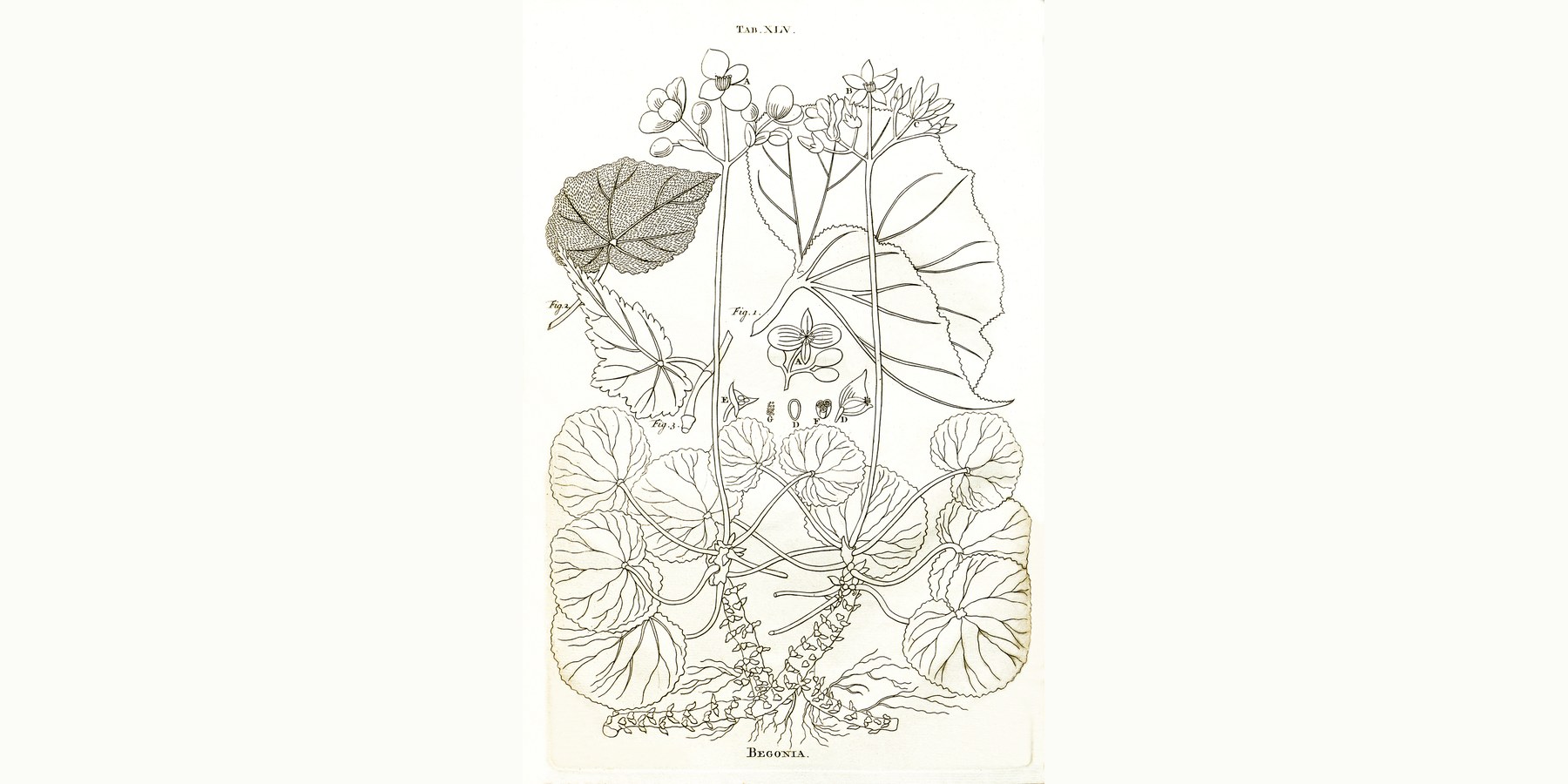
Plumier sails to the Antilles
In 1689 the French monk and botanist Charles Plumier sailed to the French Antilles on his first plant-hunting voyage and found six plants.
Did you know? Sources give 1689 or 1690.
1700 · In print
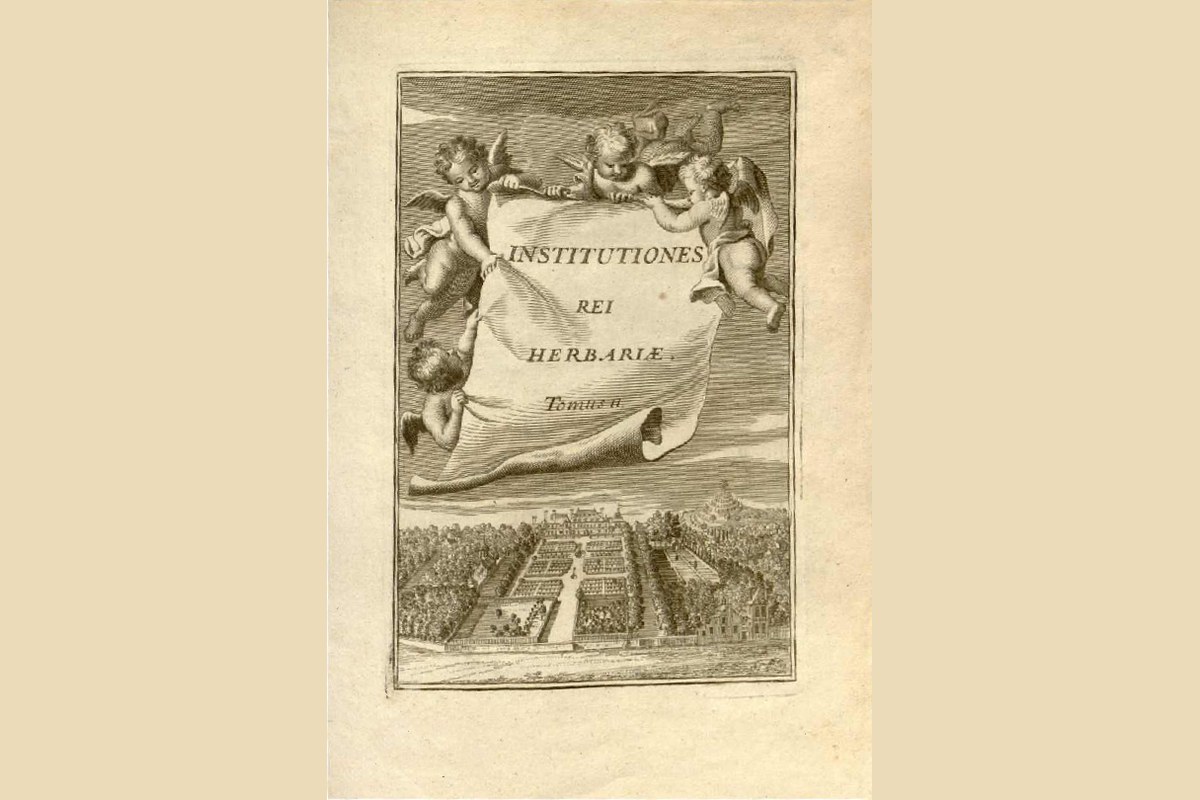
The name appears in a book
In 1700 the botanist Joseph Pitton de Tournefort listed Plumier's six plants in a book under the name Begonia, the first time the name appeared in print.
1753 · Species Plantarum
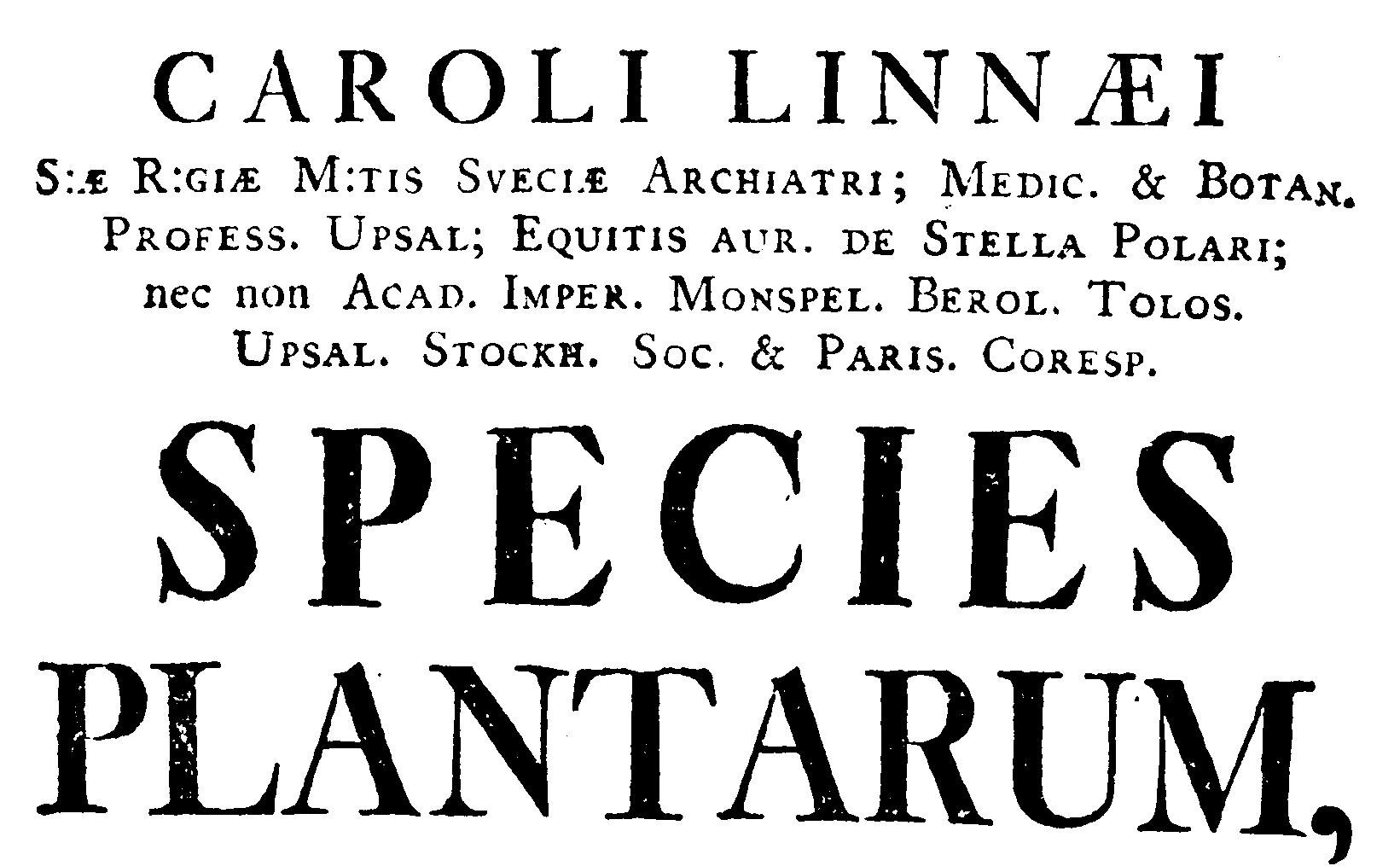
Linnaeus fixes the genus
In 1753 Carl Linnaeus fixed the genus name Begonia in his Species Plantarum, the date the genus still carries.
1857 · Assam
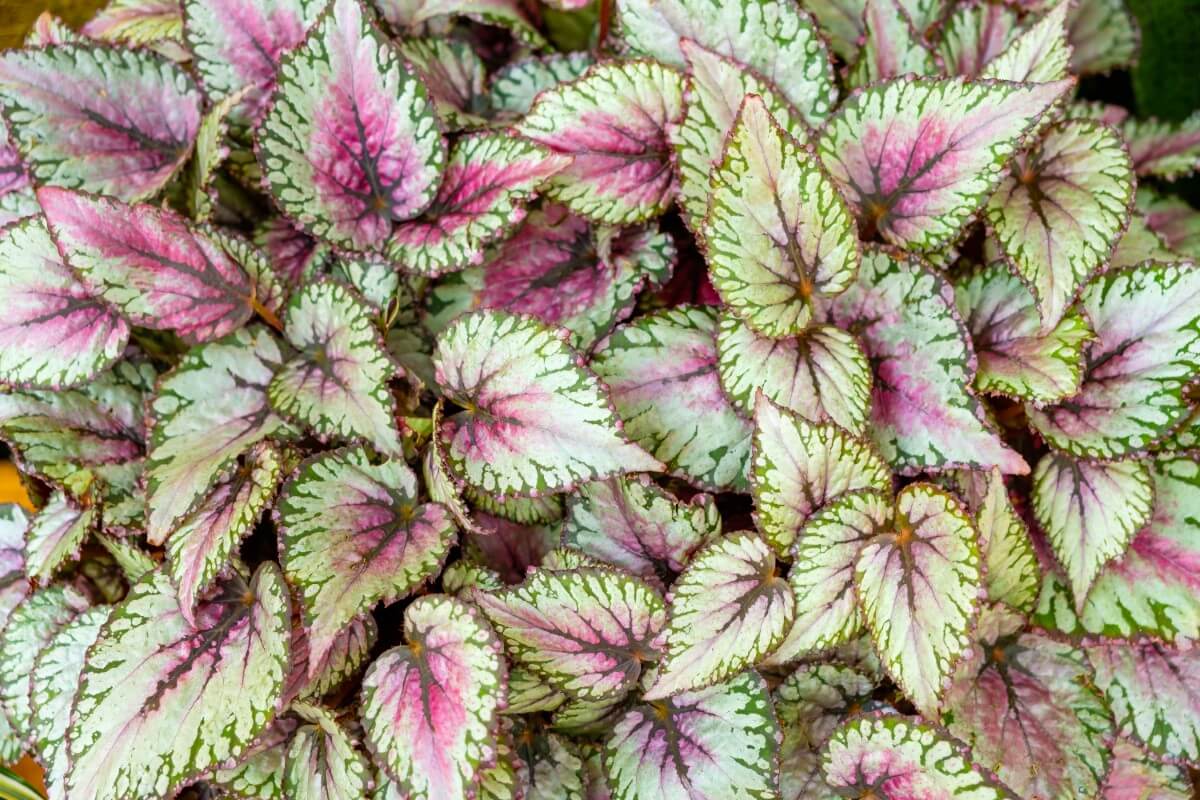
Begonia rex is published
In 1857 Begonia rex was published from Assam in northeast India and became the parent of the entire group of rex begonias grown for patterned leaves.
Did you know? Our rex begonia care guide covers growing it.
1870 · Veitch nursery
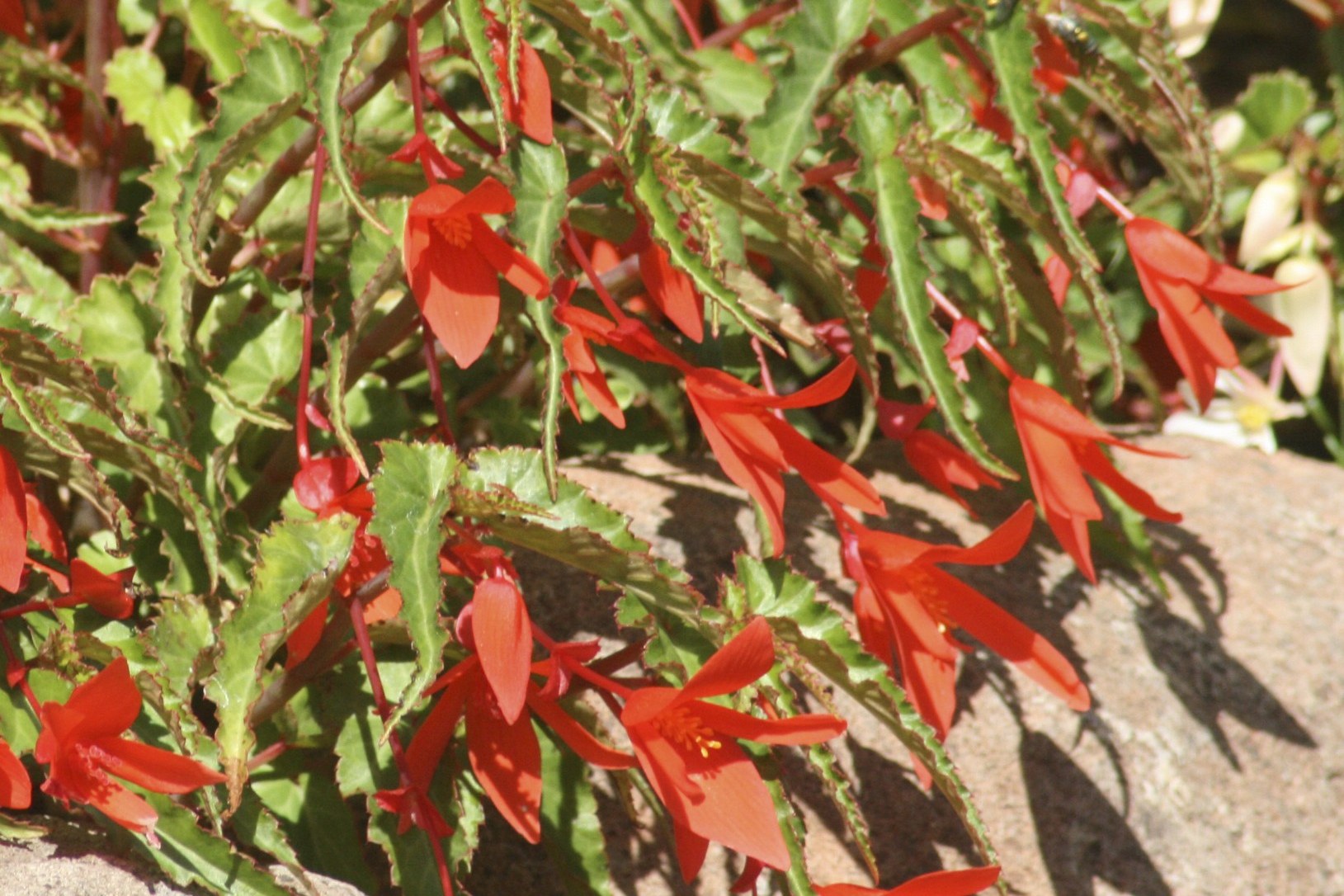
A hybrid goes on sale
In 1870 the Veitch nursery sent out Begonia sedenii, raised by foreman John Seden from a cross of Begonia boliviensis with another species, one of the first tuberous begonia hybrids sold.
Did you know? It had won the Royal Horticultural Society's silver Flora Medal in June 1869 (1888 history).
1974 · The Grateful Dead
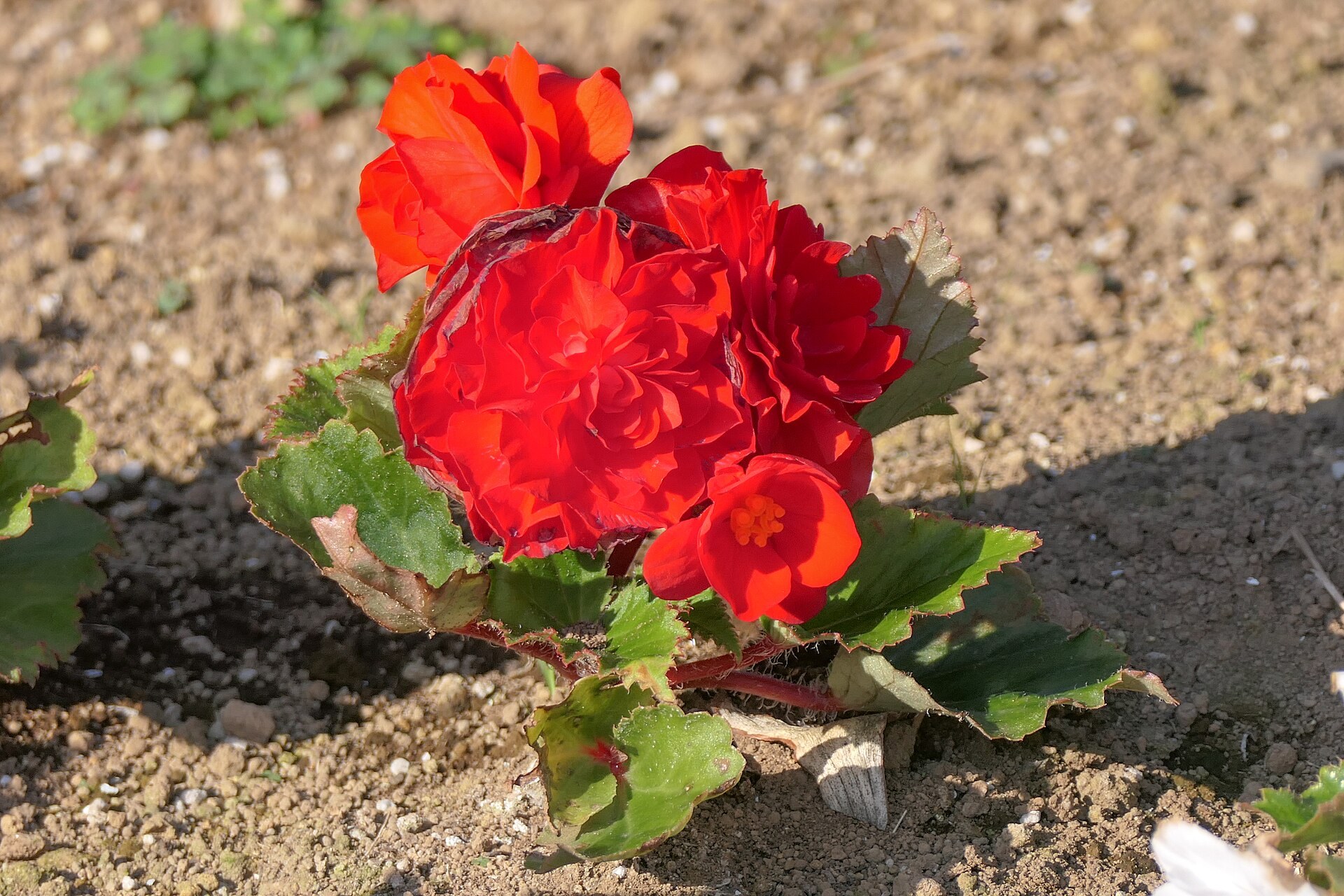
A song takes the name
In 1974 the Grateful Dead put 'Scarlet Begonias,' a song with lyrics by Robert Hunter, on their album From the Mars Hotel.
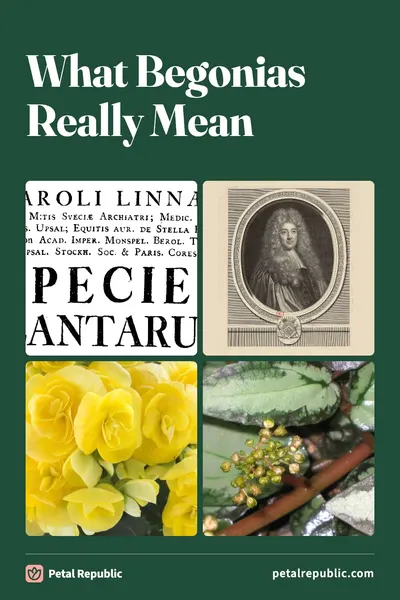
Images from Wikimedia Commons: Plumier plate (1756), Tournefort frontispiece (1700) and Linnaeus title page (1753, cropped), public domain; B. boliviensis by Jean from Shelbyville, KY, CC BY 2.0; scarlet begonia by MaedaAkihiko, CC BY-SA 4.0.
The Man Behind the Name

Michel Bégon, the man the begonia honors, was born in 1638 and rose to become a French naval official called an intendant. He held the post first in the Windward Islands in the Caribbean, then at the galleys in Marseille. The king ordered him to find a naturalist who could collect rare and medicinal plants from the Antilles. Bégon turned to Joseph-Donat Surian, a Marseille doctor, and Surian asked Charles Plumier to join the expedition.
Plumier named the six plants Begonia in honor of the intendant who had favored his voyage. The intendant, by then posted to Rochefort, planted the navy's first botanical garden there in 1697. He also assembled a cabinet of curiosities famed for its library of about 7,000 volumes. Bégon died in 1710. Today Rochefort cares for a Begonia Conservatory with more than 1,500 plants, described as the largest begonia collection in the world.
What Begonia Colors Symbolize Today
The begonia flower meaning by color is a modern one, given by florists and gardening sites today. Pick the color that carries the message you want to send.
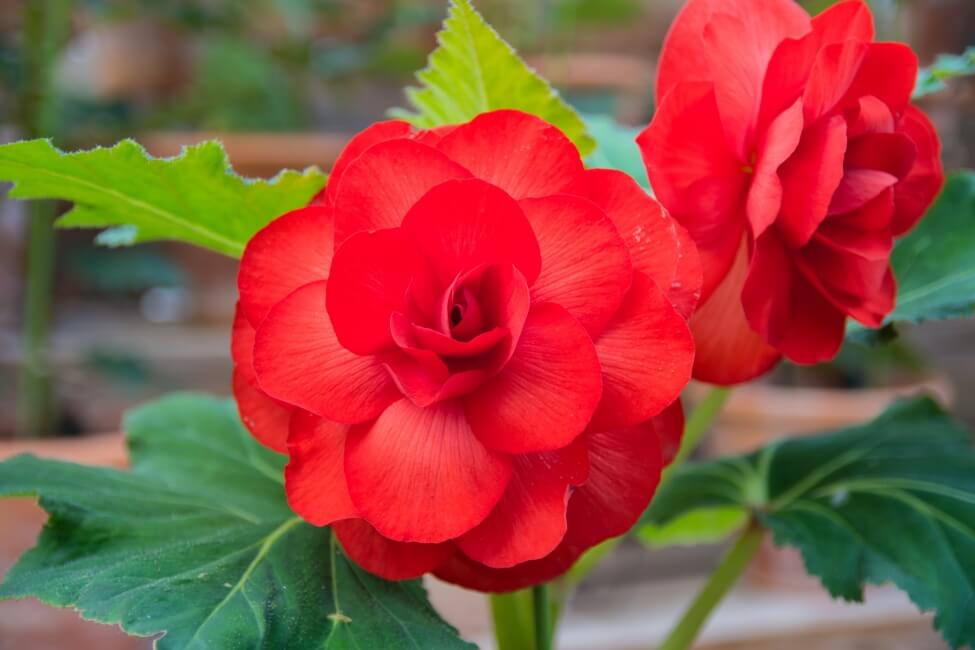 Red begoniaToday Love, passion and romance
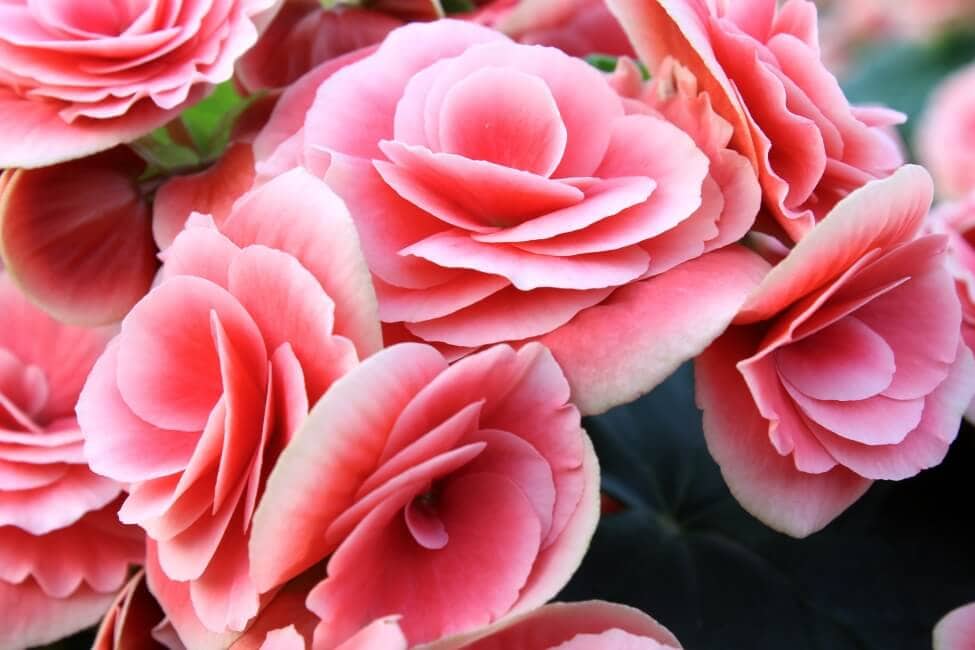 Pink begoniaToday Gentle affection and budding romance
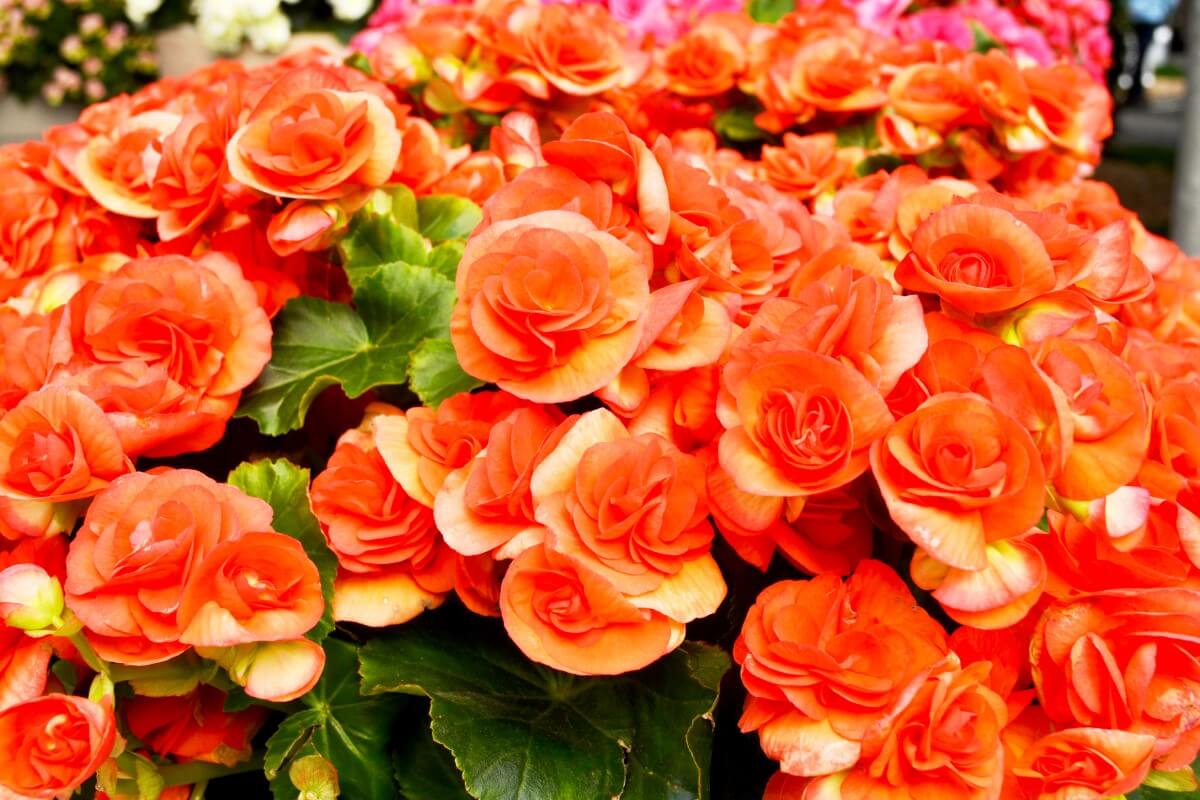 Orange begoniaToday Warmth, enthusiasm and creativity
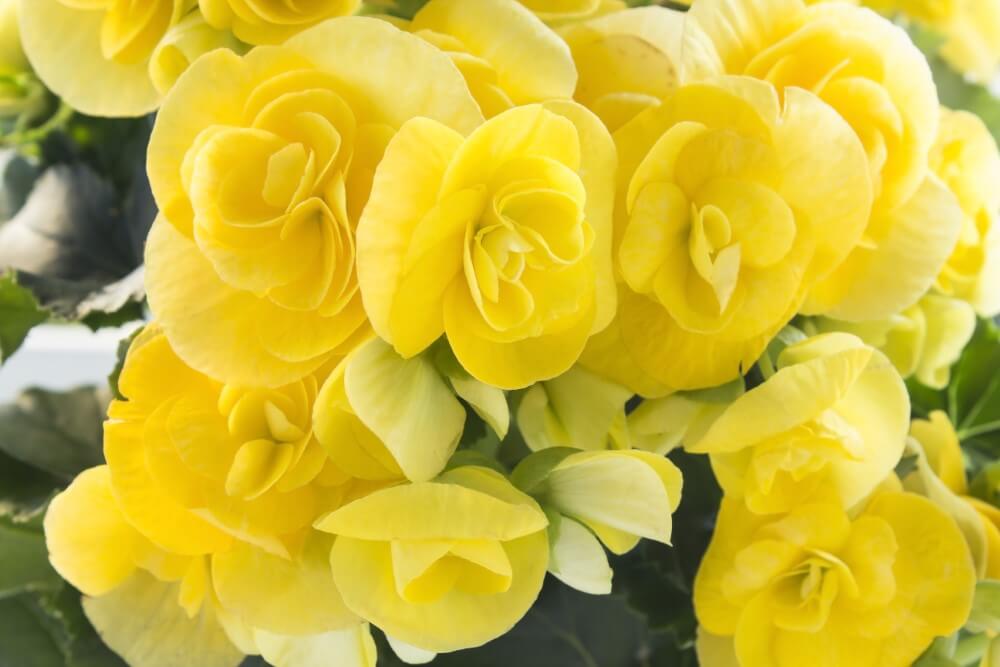 Yellow begoniaToday Happiness, joy and friendship
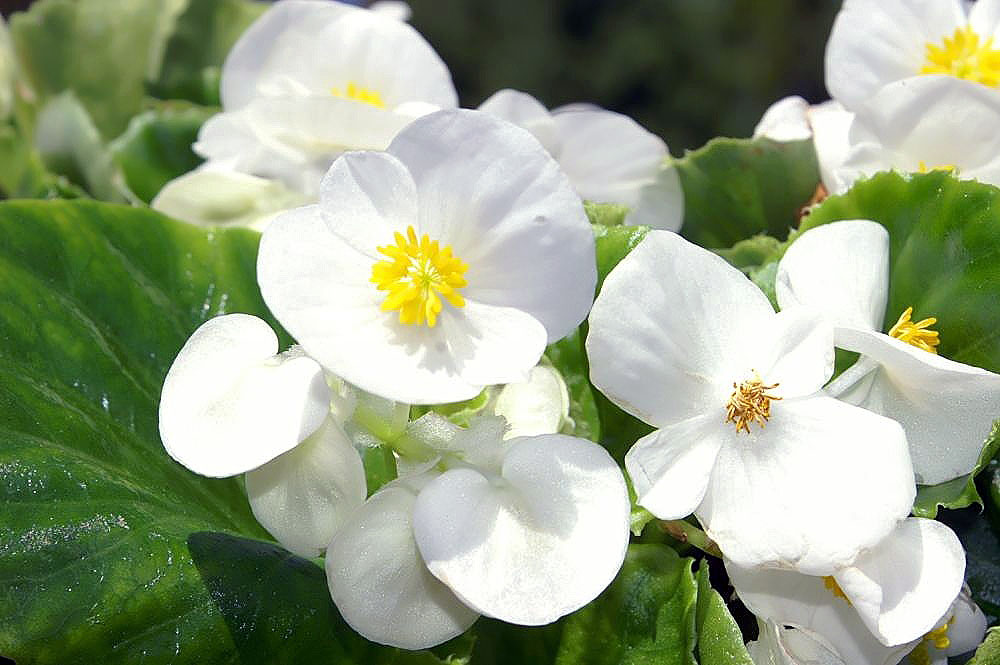 White begoniaToday Purity and innocence
Before You Give It
Some plants sold under a begonia name are other plants entirely. Check the botanical name before giving one to a home with cats or dogs, because a pet’s safety depends on the plant itself.
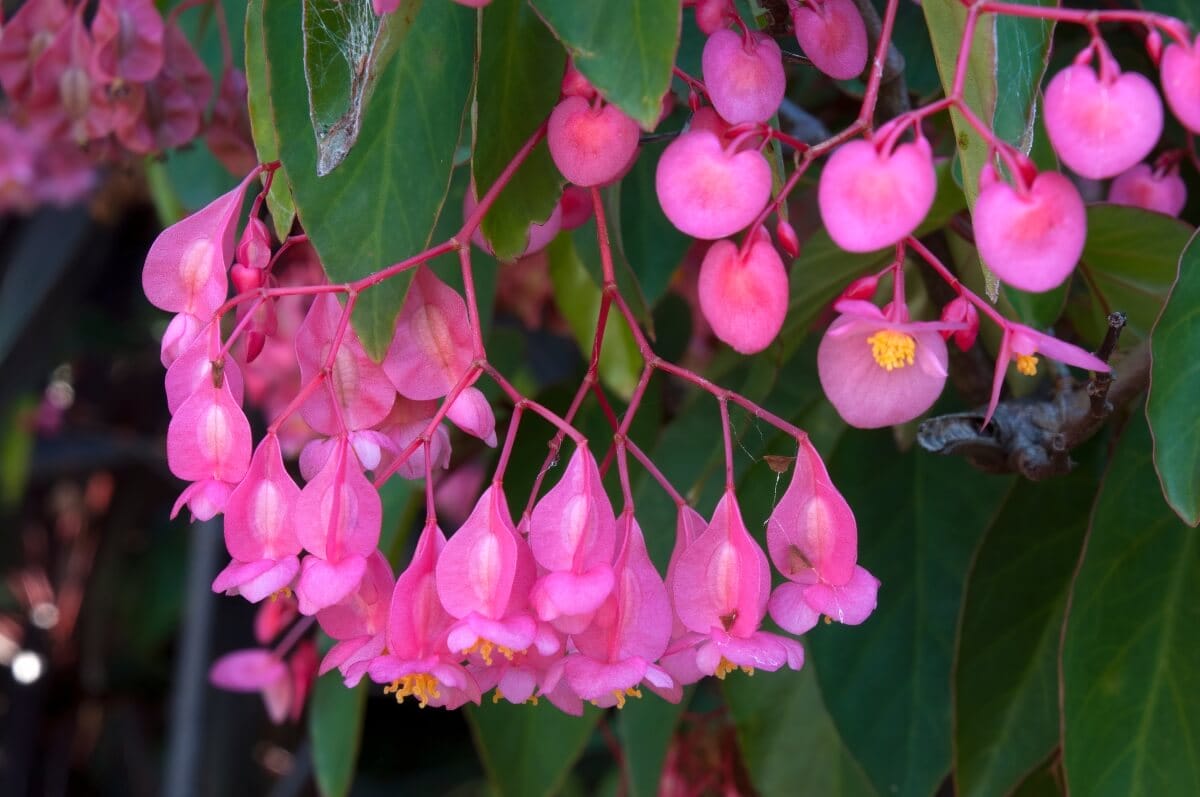
Begonia
- Botanical name
- Begonia species
- Family
- Begoniaceae
- Pets
- Toxic to dogs, cats and horses: soluble calcium oxalates, with vomiting and drooling in dogs and cats; the most toxic part is underground (ASPCA)
A true begonia
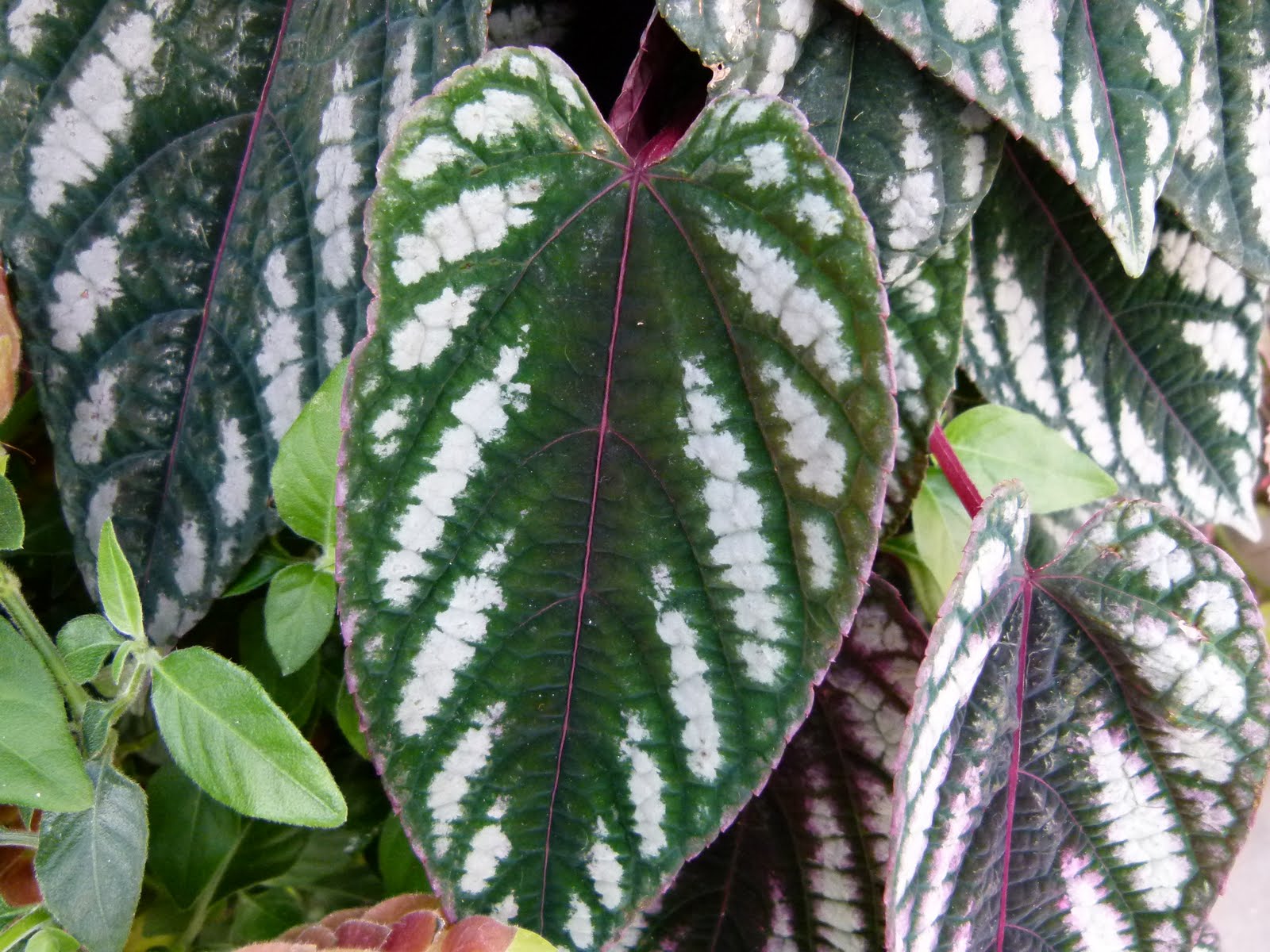
Climbing begonia
- Botanical name
- Cissus discolor (spelled dicolor by the ASPCA)
- Family
- Vitaceae
- Pets
- Non-toxic to dogs, cats and horses (ASPCA)
Not a begonia
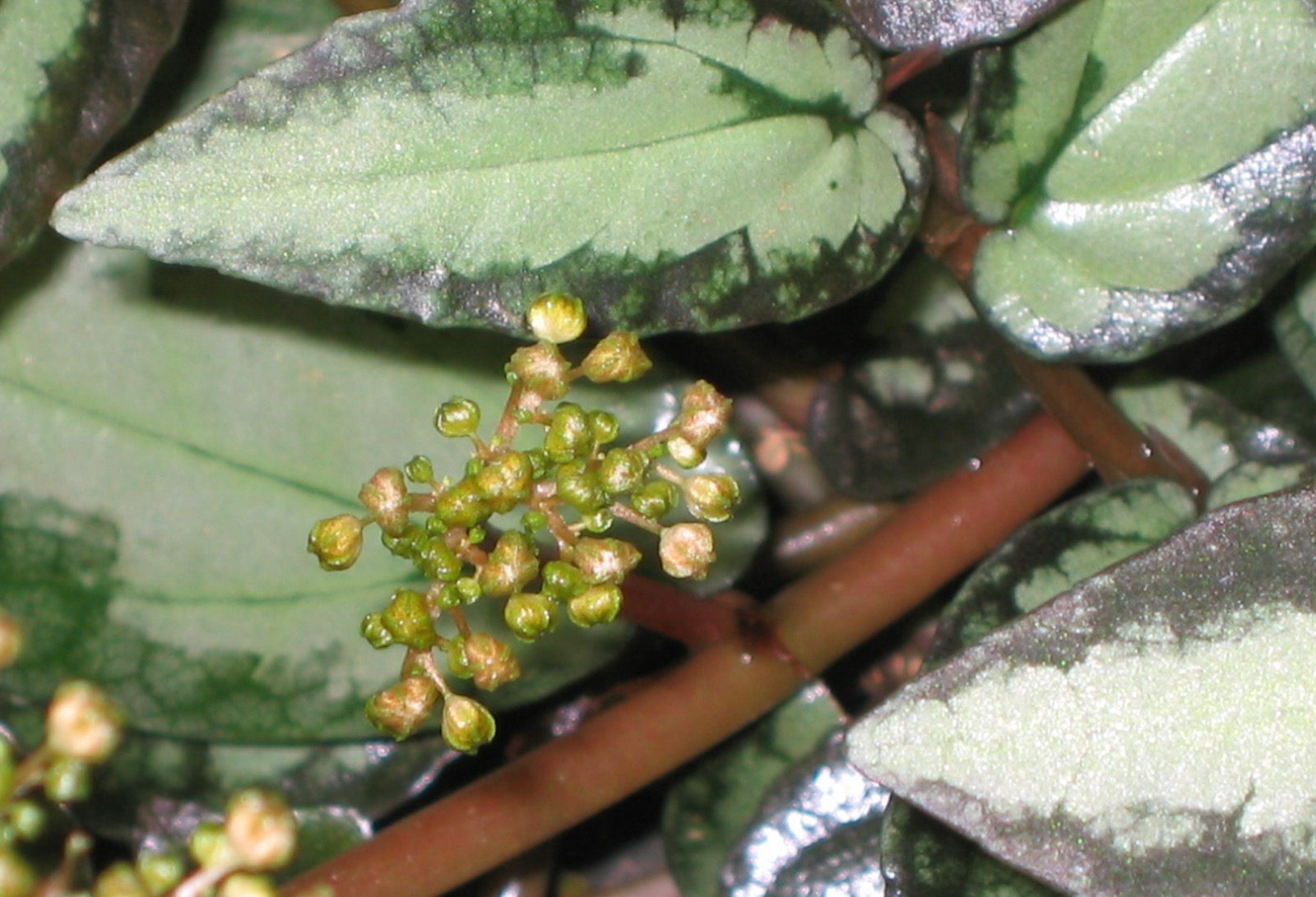
Trailing begonia
- Botanical name
- Pellionia daveauana, now treated as Procris repens
- Family
- Urticaceae
- Pets
- Non-toxic to dogs, cats and horses (ASPCA)
Not a begonia
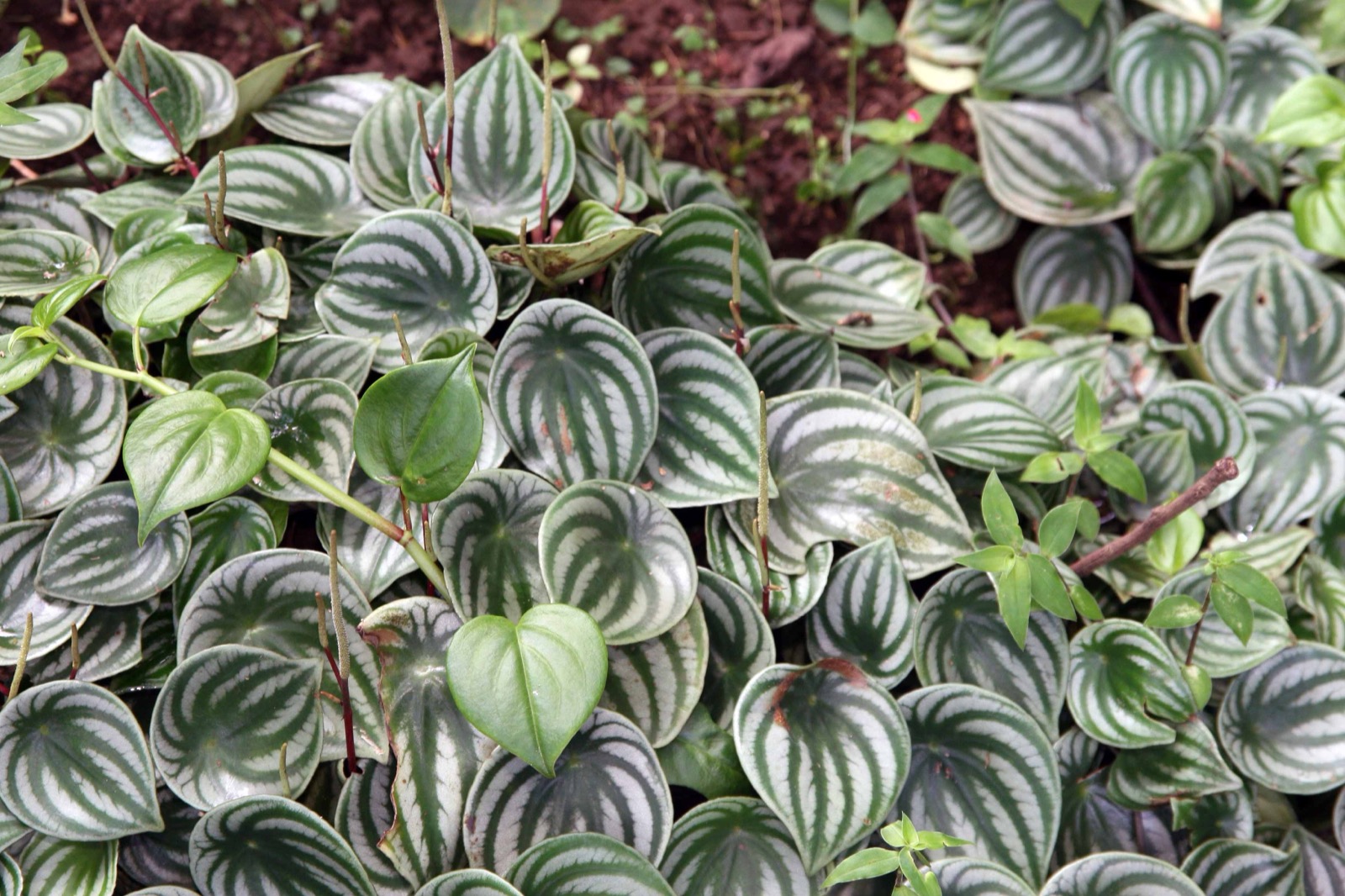
Watermelon begonia
- Botanical name
- Peperomia argyreia
- Family
- Piperaceae
- Pets
- Non-toxic to dogs, cats and horses (ASPCA)
Not a begonia
Photos: climbing begonia, Commons, CC0; trailing begonia, Commons, CC BY-SA 2.0; watermelon begonia, David J. Stang, CC BY-SA 4.0, all via Wikimedia Commons. Names and families: GBIF.
Which Begonia to Give
The begonia occasions in this guide come from florists and gardening sites, not from old traditions.
Begonias for Mother's Day
A begonia suits Mother's Day as a way to show a parent thanks and respect.
Red begonias for an anniversary
A potted red begonia outlasts cut roses, so it suits an anniversary gift.
Yellow or orange begonias for a new home
Yellow or orange begonias suit a new home as a cheerful gift in a pot.
A begonia to say thank you
A begonia thanks someone for a favor, or simply for being part of your life.
Sending Begonias
Pick the begonia color that fits the message. To have an arrangement delivered, see where to send flowers near the recipient.
Related flower meanings
Questions and Answers
What is the negative meaning of begonia?
No Victorian flower dictionary gives the begonia a negative meaning; the 'beware' entries in old floriography belong to other plants. The 'warning' or 'caution' reading appears on modern lists that name no book or historical authority.
What do begonias mean spiritually?
One published spiritual flower list, from the Sri Aurobindo Ashram, gives the begonia the significance 'Psychic Balance.' The Mother's comment on it reads, 'Under the psychic influence all activity becomes balanced.' Beyond this tradition, no wider spiritual meaning is documented for the begonia.
Where do begonias come from?
Begonias grow wild across the tropics and subtropics of Africa, Asia, Central and South America. The genus encompasses roughly 2,000 species, making it one of the largest in the plant kingdom and a far broader group than the handful of garden varieties most people know.
Sources18 sources, linked in the text
- Henrietta Dumont, The Language of Flowers: The Floral Offering (1851)
- en.wikisource.org: Charles Plumier
- museocostarica.go.cr: origen del nombre begonias
- gbif.org: 2874710
- begonias.org: begonia rex putzeys
- Internet Archive: 1888 history
- dead.net: mars hotel 50 scarlet begonias
- ASNOM, naval hospital botanic gardens
- Singapore Florist, begonia flowers meaning
- aspca.org: begonia
- aspca.org: begonia climbing
- aspca.org: begonia trailing
- aspca.org: watermelon begonia
- gbif.org: 4054691
- Balcony Garden Web, begonia flower meaning
- Kate Greenaway, The Language of Flowers (1884)
- Sri Aurobindo Ashram, The Spiritual Significance of Flowers (begonia: Psychic Balance)
- American Begonia Society, About Begonias
Updates and CorrectionsNov 21, 2026 · 3 corrected, 1 removed
- Added: A timeline (Plumier's 1689 voyage, the name in print in 1700, Begonia L. in 1753, Begonia rex in 1857, a tuberous hybrid in 1870 and a 1974 song), a story chapter on Michel Bégon, a modern color strip with photos, look-alike cards with the ASPCA's pet verdicts, give cards with sourced occasions and FAQs.
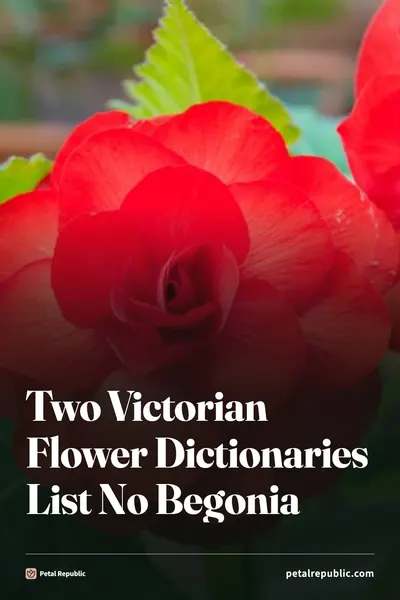
- Corrected: The page presented caution and warning as a floriography tradition and an omen. Greenaway's 1884 and Dumont's 1851 flower dictionaries list no begonia, and the lists that repeat the reading name no book, so every color and meaning here is labeled modern.
- Corrected: The page called Michel Bégon a Caribbean politician and said the begonia was discovered in the early 1700s. Bégon was a French naval official; Charles Plumier found the plants on a voyage that began in 1689, the name was in print in 1700 and the genus name dates to Linnaeus in 1753.
- Corrected: The page said begonias are native to South America and East Asia. The genus grows wild across tropical and subtropical Africa, Asia, Central America and South America.
- Added: The ASPCA's verdict that true begonias are toxic to dogs, cats and horses, and the three plants it also calls begonias that are non-toxic and are not begonias.
- Removed: The Literary Meanings and Suitable Gifting Occasions sections, the omen, justice, hospital-gift and spiritual-ceremony lines, and the title's 'Quiet Goodbye', none of which had a source we could open.
Save and Share


Reader Comments
Have a question? Ask it here.