
Floriography
Lily Flower Meaning: Victorian, Japanese and Modern Readings, Plus Cat Safety


Madison Moulton (Full Profile)
Contributing Editor
Credentials
- BA in History and Political Science Homes & Gardens
- Author , The Next-Generation Gardener (2021)
- Co-manages a cut flower farm and houseplant nursery Rural Sprout
Writing for Petal Republic since 2021 · 44 articles
Expertise
Gardening, Houseplants, Flower meanings
Published In
Homes & Gardens, Epic Gardening, Rural Sprout
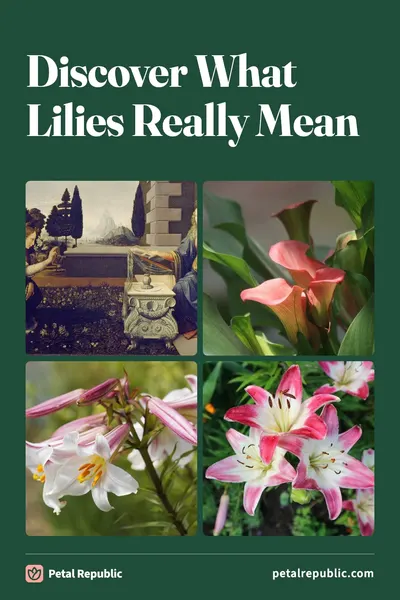
Many flowers called lilies are not lilies at all, and our guide covers what lilies mean by color and tradition plus how to tell a true lily from a look-alike.
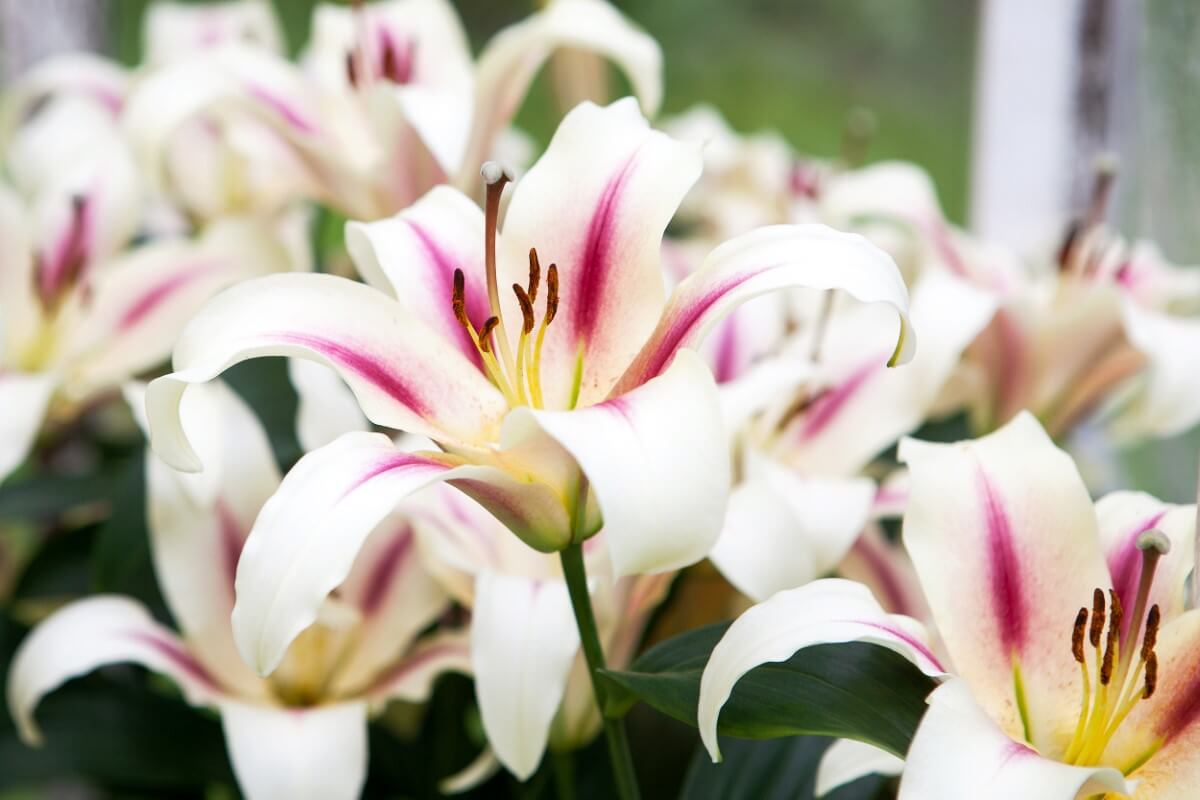
In Short
Lilies stand for purity, renewal, and devotion today, though many flowers called lilies aren't lilies at all. True lilies and daylilies can cause kidney failure in cats; sort true lilies from look-alikes with our cards.
- Keep vase water from lilies away from your cat; drinking it can be deadly to a curious cat.
- Ask whether a flower called a lily is a true lily, because calla and peace lilies irritate the mouth, while daylilies carry the same cat risk.
More Takeaways
- Read lily color meanings as modern florist readings, since the Victorian dictionaries list only white, yellow, day, and imperial lilies, and yellow differs.
True Lily or Look-Alike? Six Flowers Called Lilies
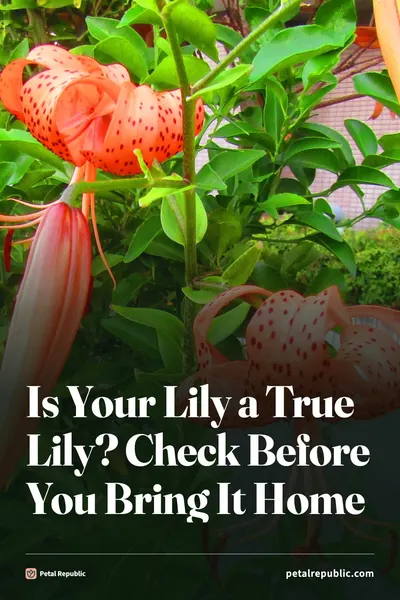
A true lily is a plant of the genus Lilium, such as the tiger lily. Many plants with lily in the name are not, and the six you will meet most often are the calla lily, peace lily, daylily, water lily, lily of the valley, and red spider lily, none of them in the true-lily genus. Daylilies are not true lilies, but they carry the same kidney risk for cats.
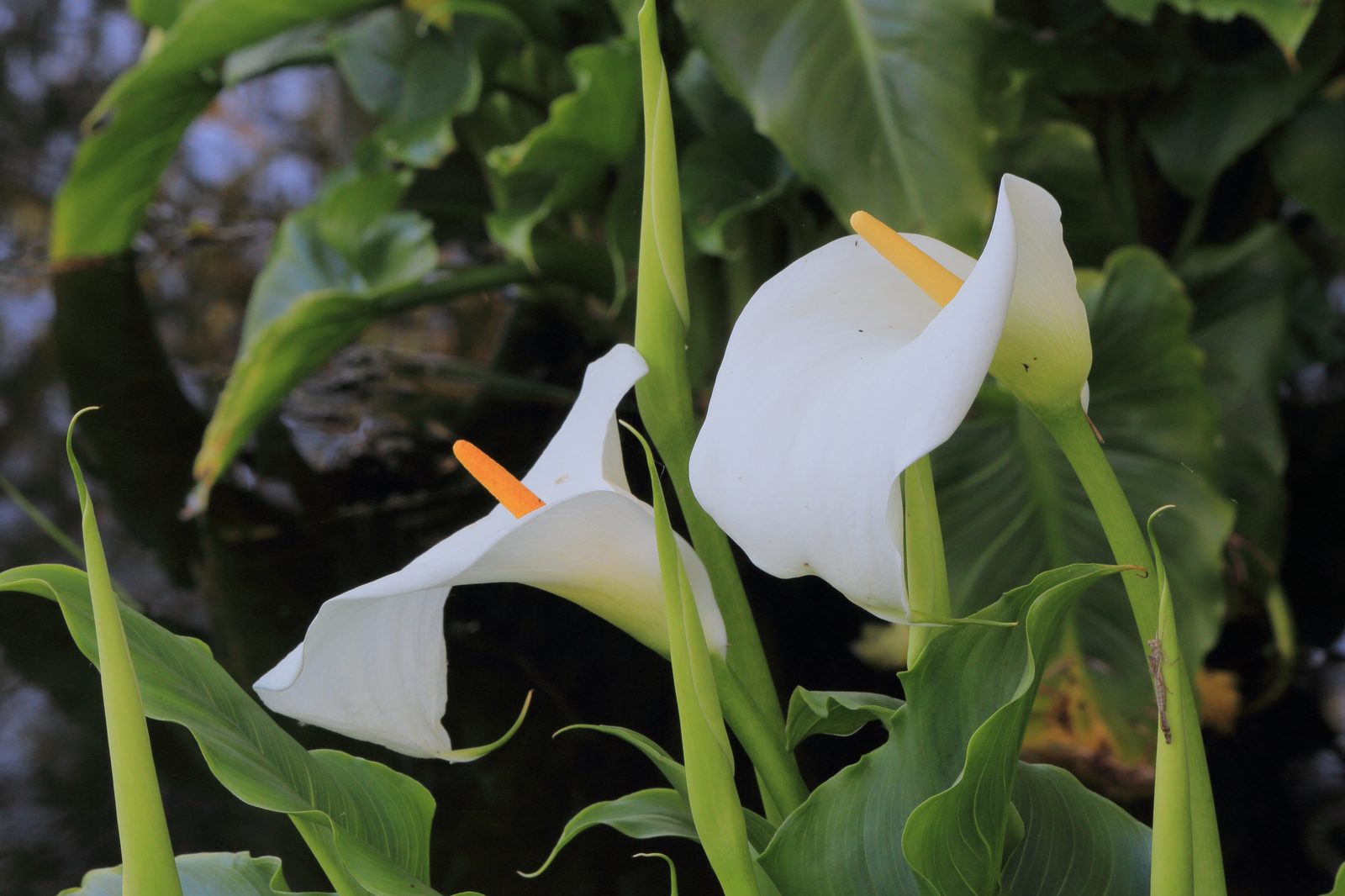
Calla lily
- Botanical name
- Zantedeschia
- Family
- Araceae (arum)
- Pets
- Toxic to cats and dogs: mouth irritation
Not a true lily
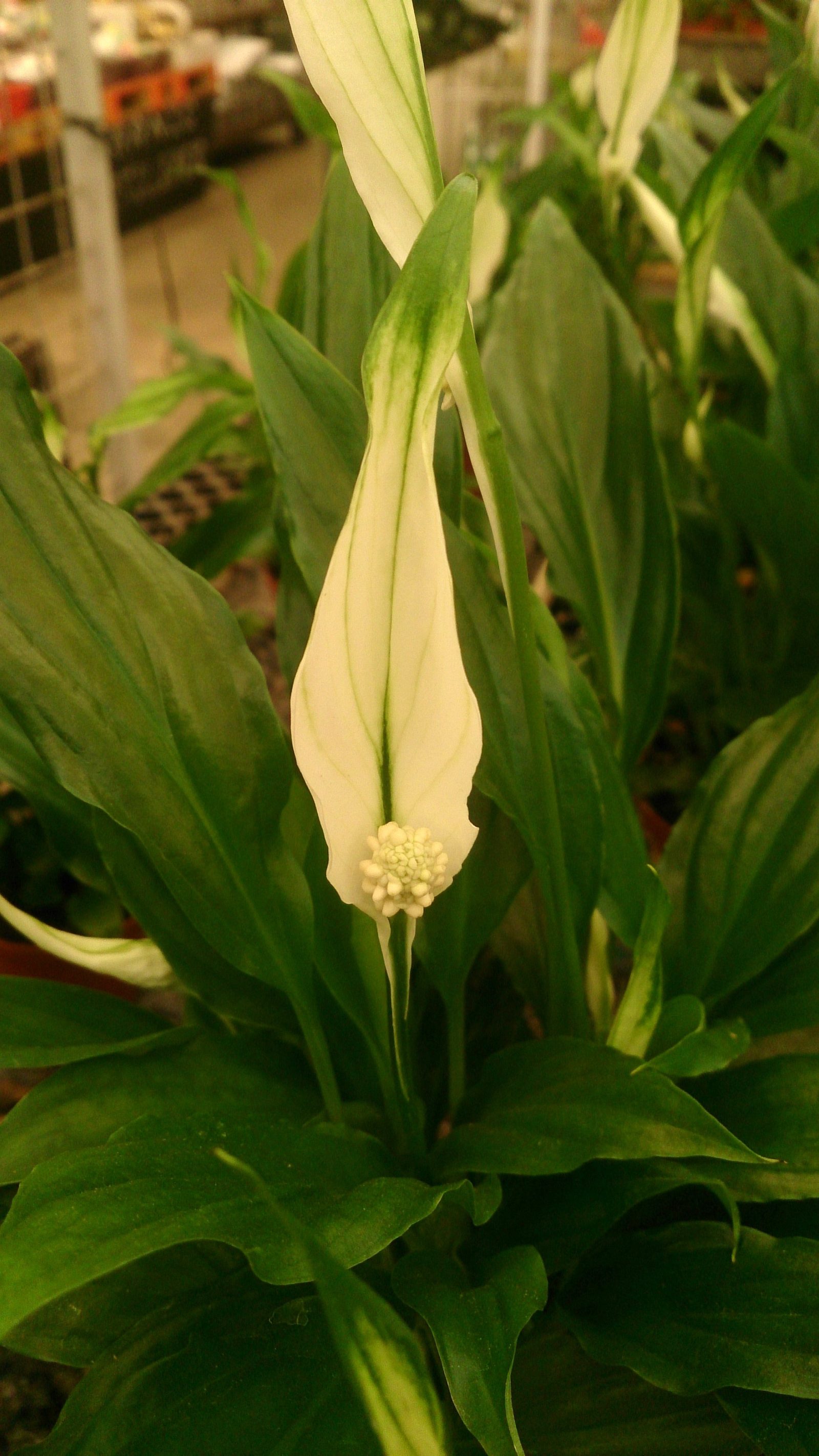
Peace lily
- Botanical name
- Spathiphyllum
- Family
- Araceae (arum)
- Pets
- Toxic to cats and dogs: mouth irritation
Not a true lily
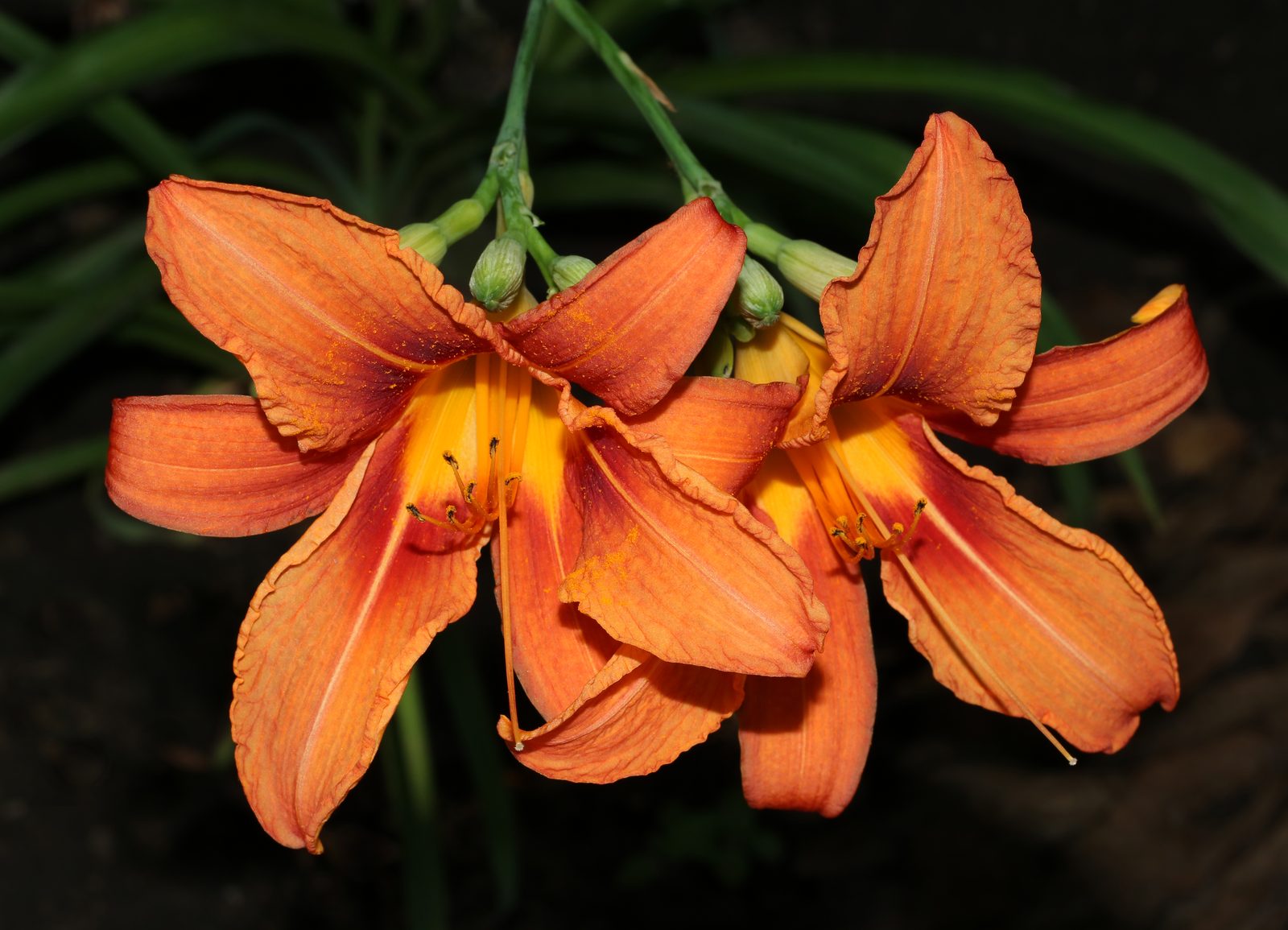
Daylily
- Botanical name
- Hemerocallis
- Family
- Asphodelaceae
- Pets
- Toxic to cats: kidney failure
Not a true lily, same cat risk
- Botanical name
- Nymphaea
- Family
- Nymphaeaceae
- Pets
- Not on the ASPCA's lists
Not a true lily
- Botanical name
- Convallaria
- Family
- Asparagaceae
- Pets
- Toxic to cats and dogs: heart effects
Not a true lily
- Botanical name
- Lycoris
- Family
- Amaryllidaceae
- Pets
- Low-severity poison; not on the ASPCA's lists
Not a true lily
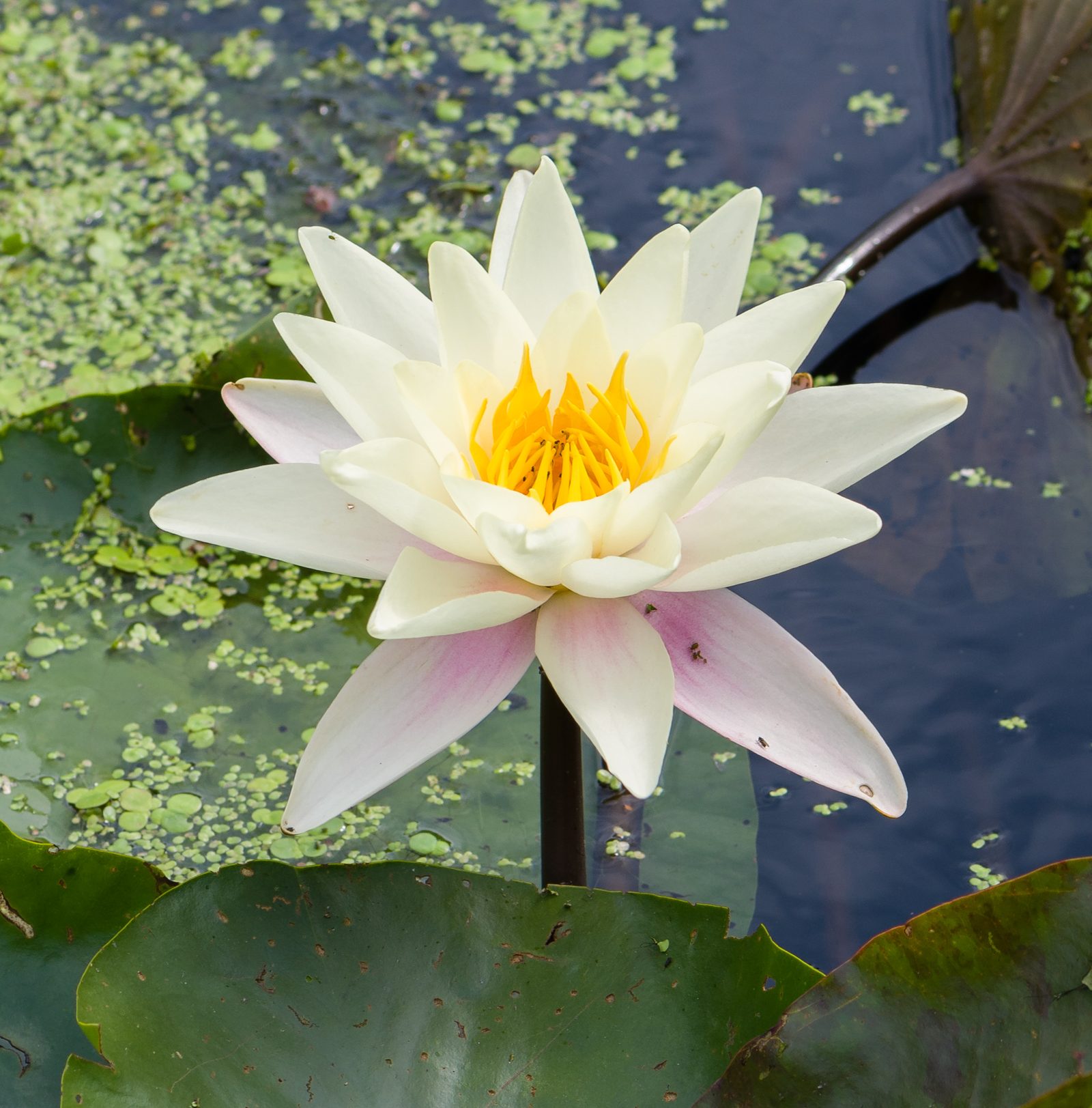
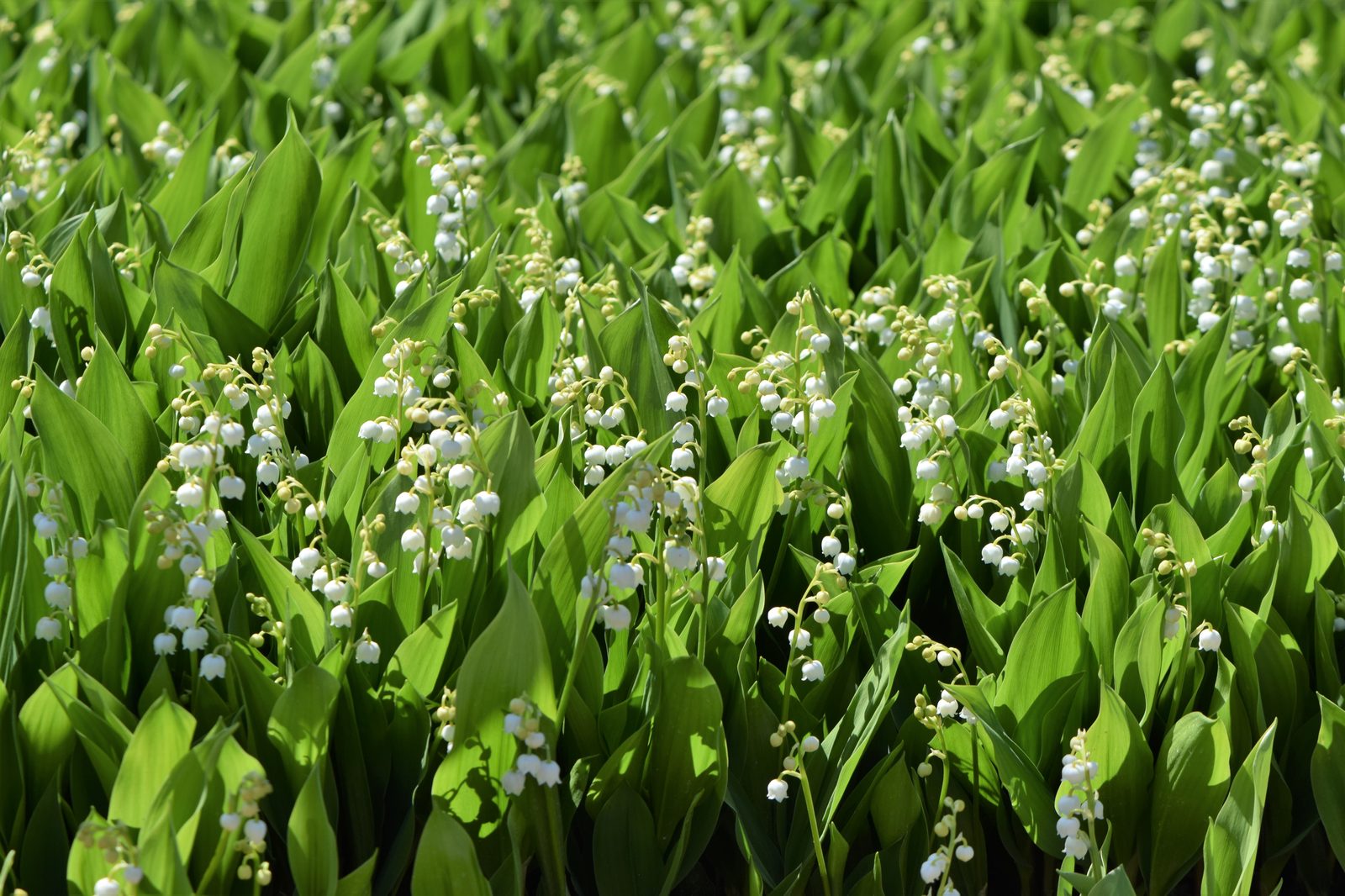
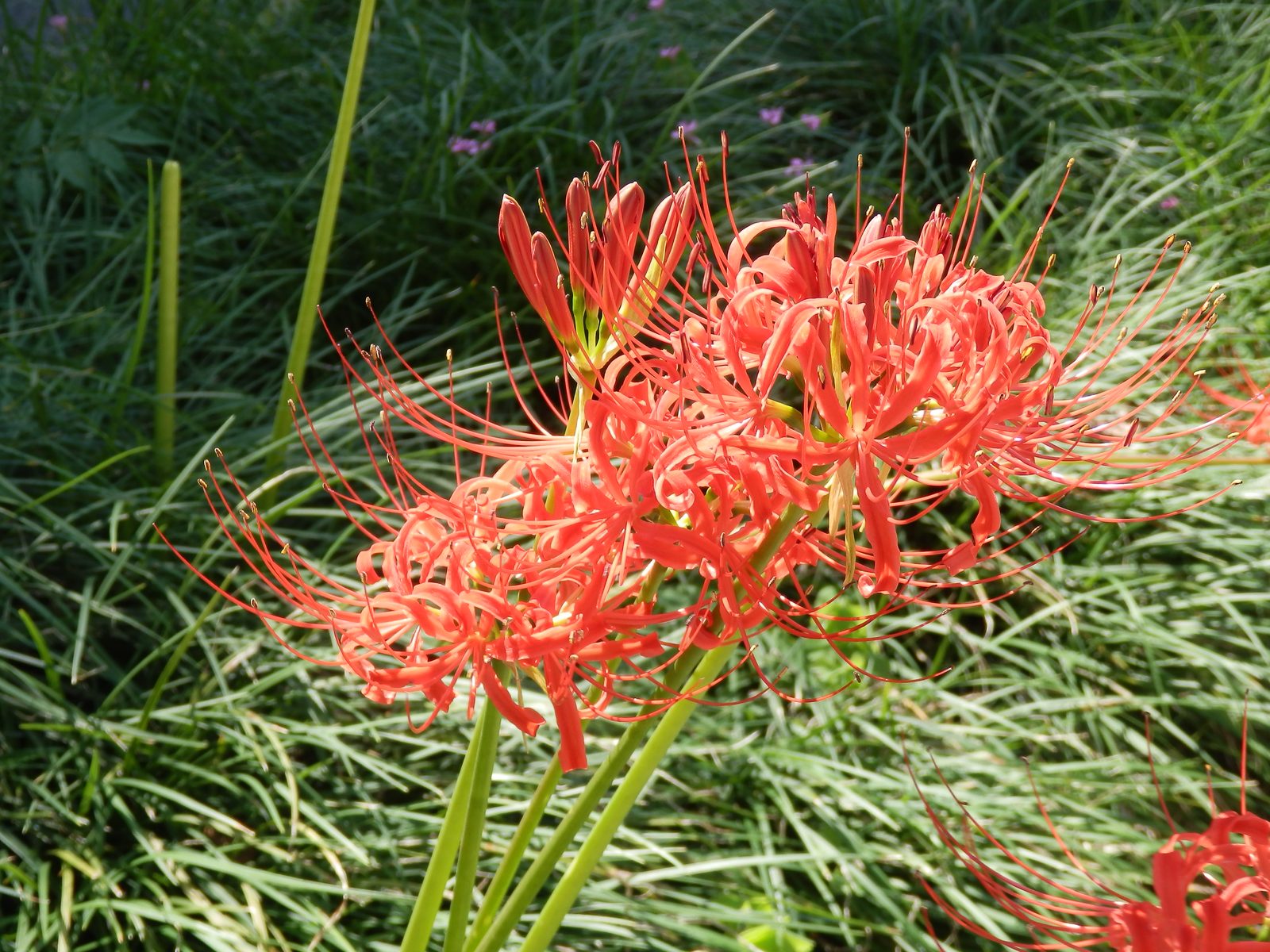
Photos via Wikimedia Commons: Dominicus Johannes Bergsma (CC BY-SA 3.0), Mokkie (CC BY-SA 3.0), George Chernilevsky (Public domain), Tuxyso (CC BY-SA 3.0), Krzysztof Ziarnek, Kenraiz (CC BY-SA 4.0), Qian2007 (CC BY-SA 4.0).
Lilies in Art, Myth and Scripture
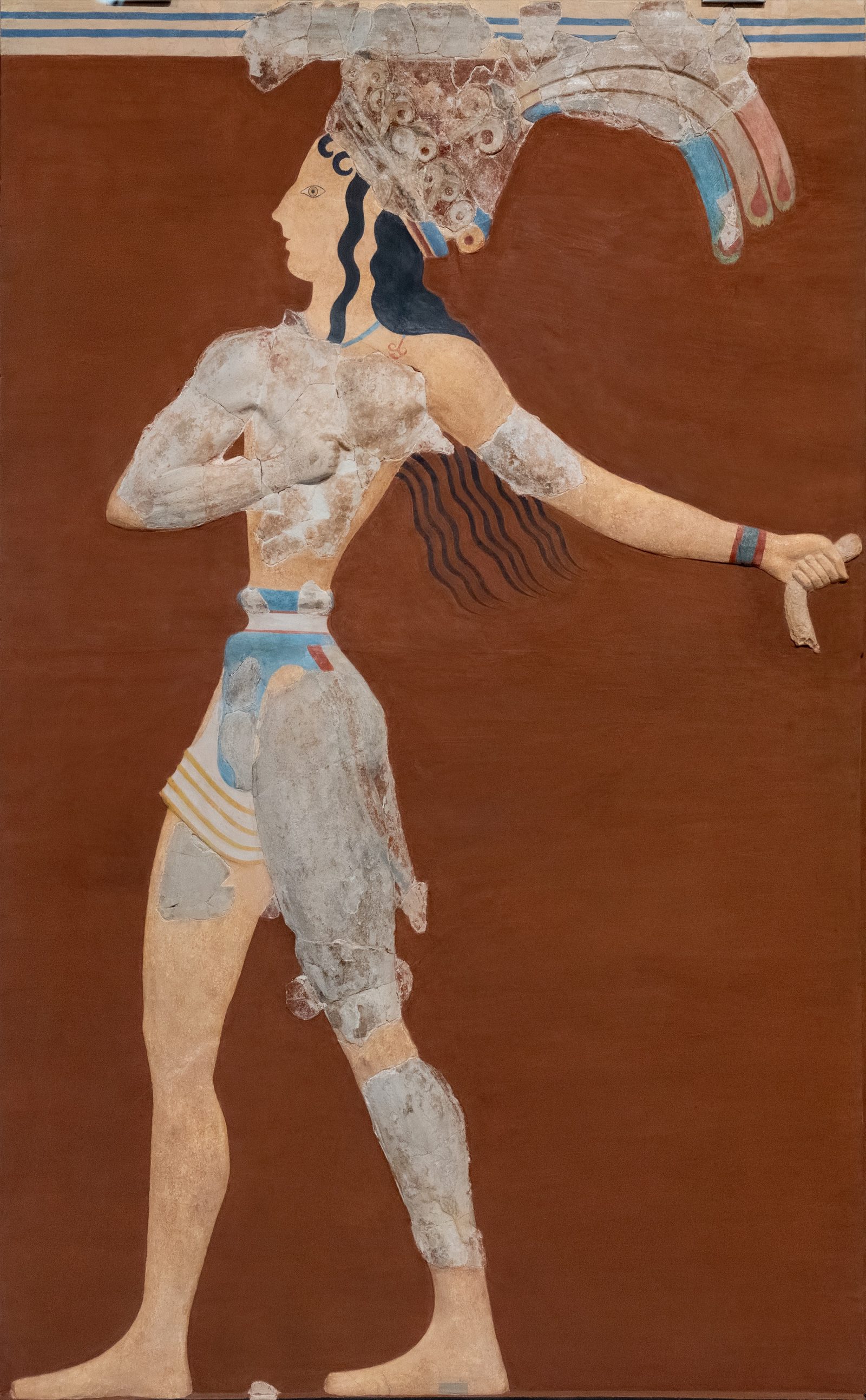
A Minoan wall painting from Knossos on Crete shows a figure wearing a lily collar, making lilies among the oldest flowers in European art. A later myth, told here in its Roman form, tells it differently: the white lily sprang from drops of Juno's milk that fell to earth when the infant Hercules drank faster than he could swallow.
The lily is also mentioned in the New Testament, where Matthew 6:28 (King James Version) reads, 'Consider the lilies of the field, how they grow.'
Lilies and the Virgin Mary
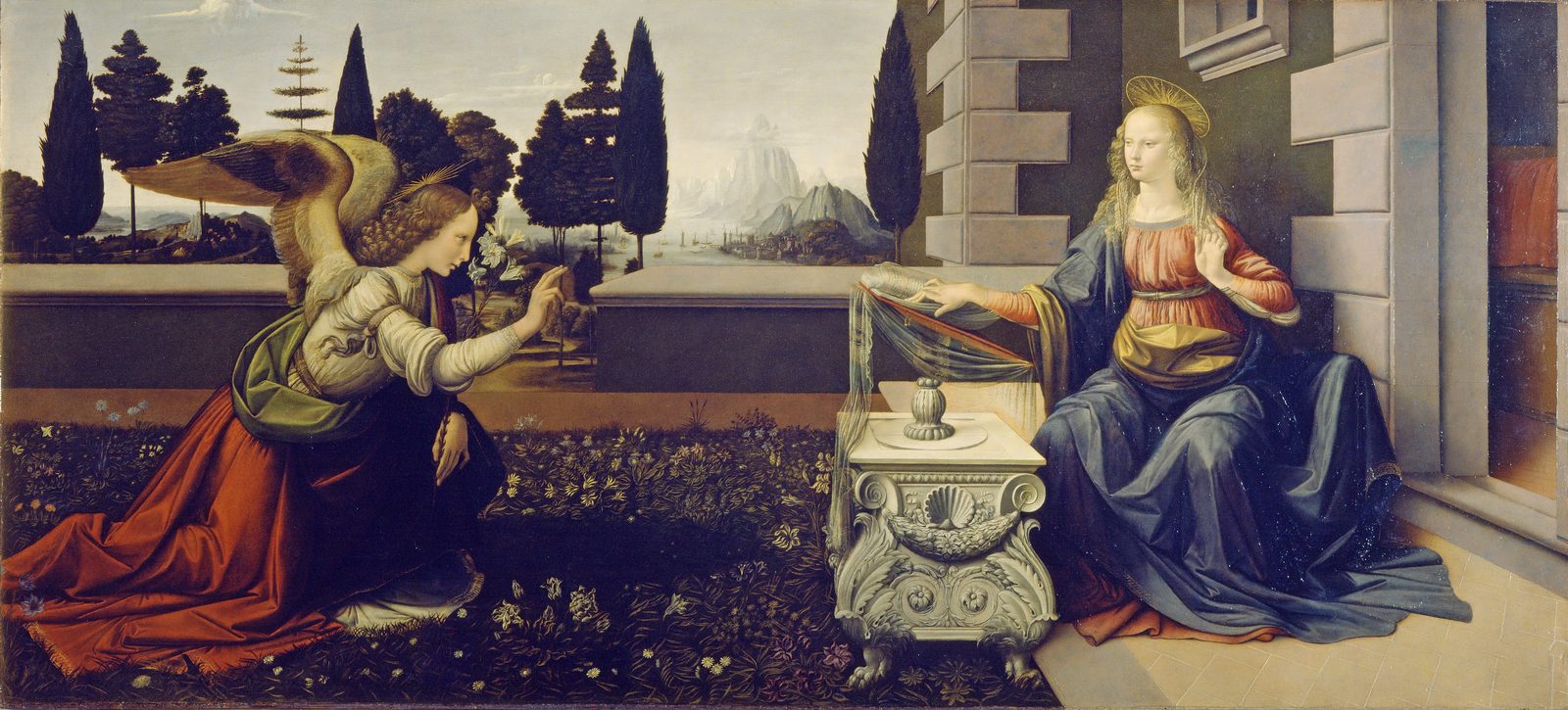
White lilies are generally thought to stand for purity, and so are linked to the Virgin Mary. The white Madonna lily's bulbs come from the eastern end of the Mediterranean. Lilies are often painted in scenes of the Annunciation, in the angel Gabriel's hand or in a vase beside Mary.
The Easter Lily Is Not the Madonna Lily
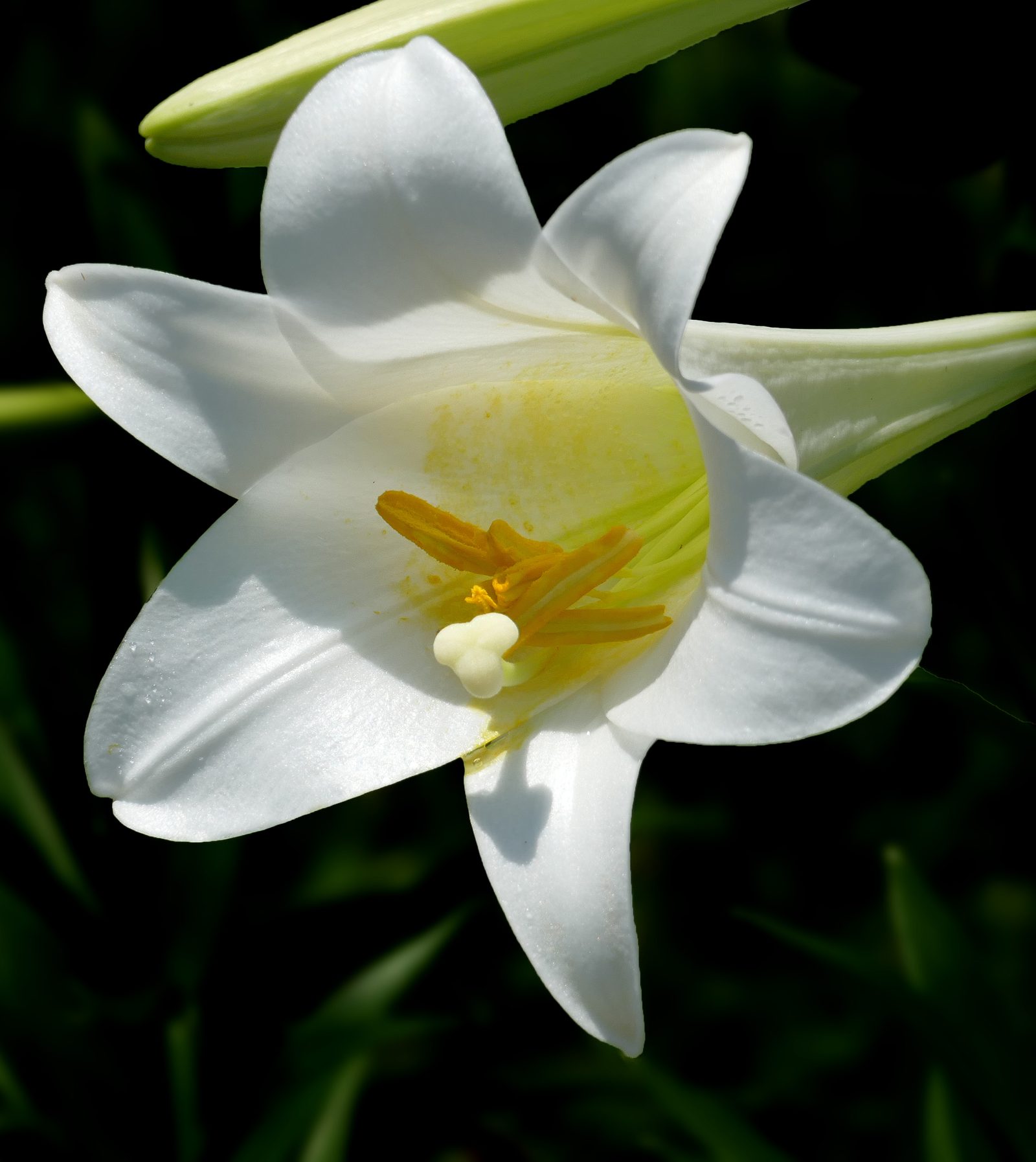
The Easter lily is not the Madonna lily. The Easter lily, Lilium longiflorum, is native to the small southern islands of Japan, was grown commercially in Bermuda for the American market by the 1880s, and is forced to bloom for the holiday, while the white Madonna lily of Annunciation paintings has bulbs from the eastern end of the Mediterranean. The Easter lily is also poisonous to cats.
Lilies at Weddings and Funerals
- Pet Safety
- Supported: the ASPCA lists true lilies (Lilium) as toxic to cats, with kidney failure among the signs, and as non-toxic to dogs, and lists daylilies (Hemerocallis) as toxic to cats, with kidney failure and death among the signs. Calla and peace lilies are toxic to cats and dogs through insoluble calcium oxalates, which burn the mouth
Lilies are common at weddings and funerals today, and the funeral use is a modern custom read as purity. An 1851 flower dictionary carries a verse that names lilies for a maiden's grave.
What the Old Dictionaries and Other Traditions Say
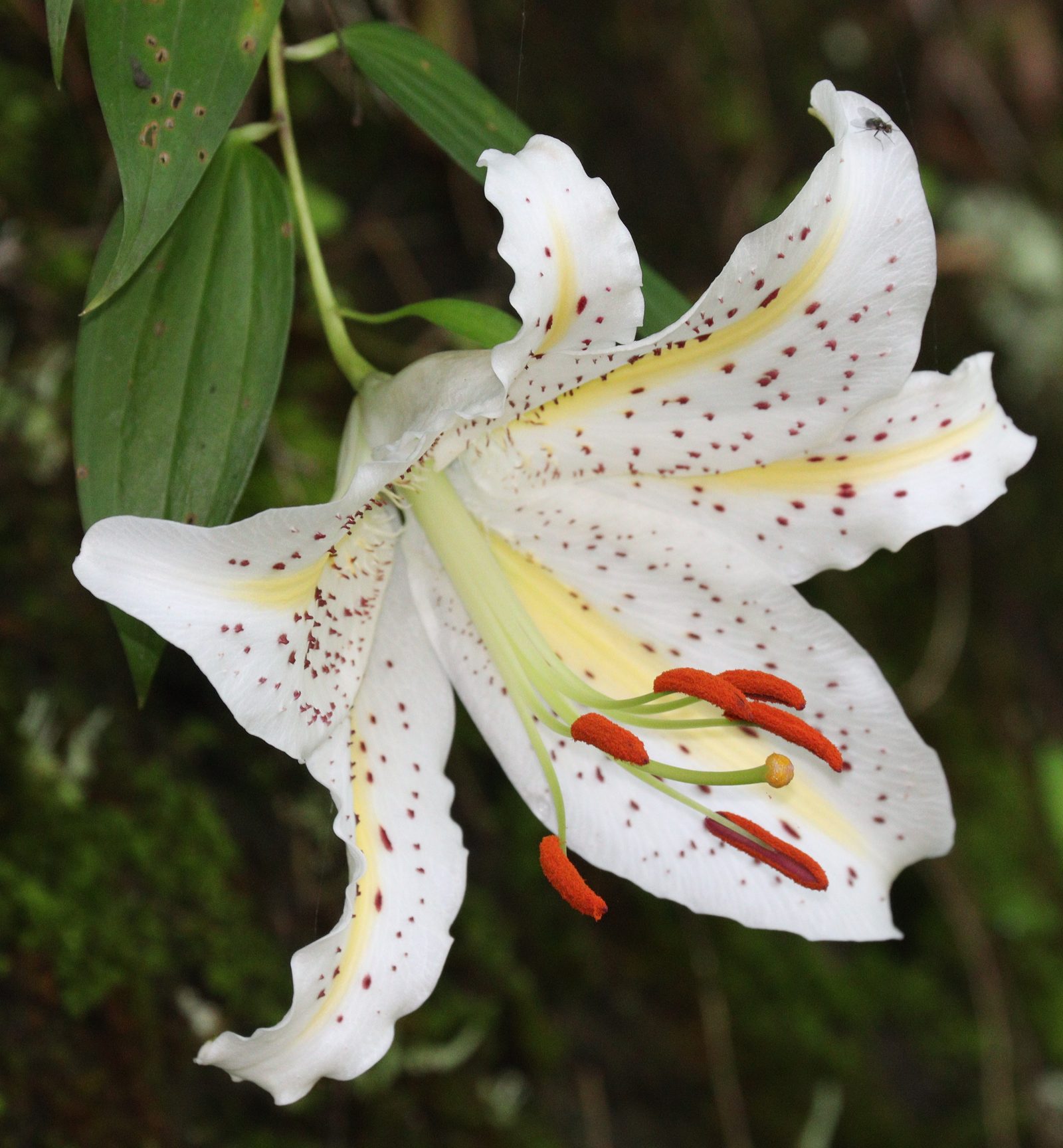
The two best-known Victorian dictionaries of the language of flowers, from 1851 and 1884, give the white lily purity, the yellow lily falsehood and gaiety, the day lily coquetry, and the imperial lily majesty, and say nothing of a tiger lily. Purity runs through the Victorian, Japanese, and Christian readings. Yellow remains where old and modern readings differ.
Victorian
- White lily
- Purity, sweetness
- Yellow lily
- Falsehood, gaiety
- Day and imperial
- Coquetry; majesty
White agrees, yellow differs
Japanese
- Plant
- Yamayuri, Lilium auratum
- Reading
- Majesty, dignity, enjoyment of life, pure and unaffected love
Purity agrees
Christian
- Reading
- Purity; linked to the Virgin Mary
- Seen in
- Annunciation paintings
Purity agrees
Today
- Usual reading
- Purity, renewal, devotion
- By colour
- Modern, no old source
Modern
Augustine Henry and the Lily Named for Him
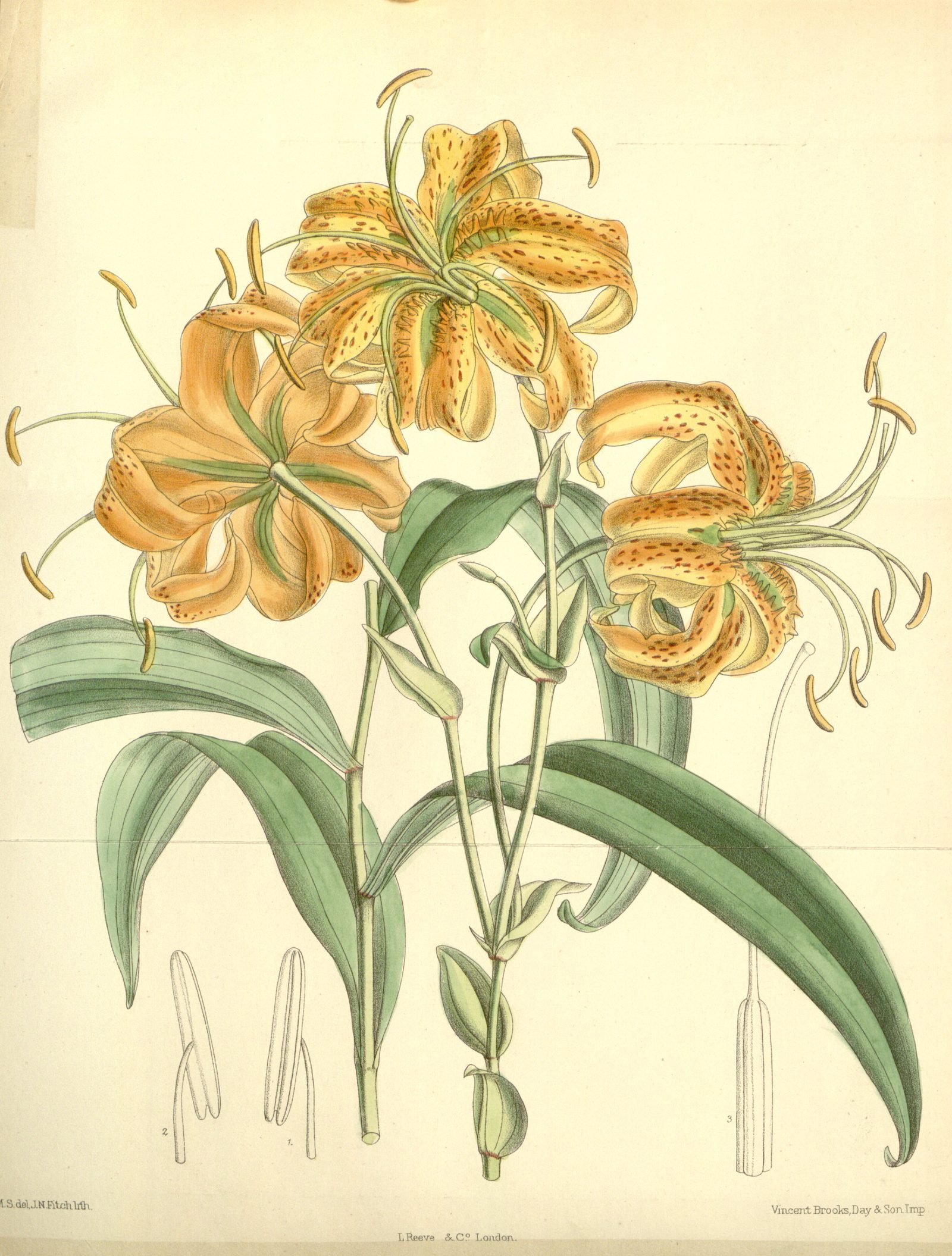
Augustine Henry, an Irish-born doctor who worked in China's Imperial Customs Service and collected plants in central China in the 1880s, sent his collections, including bulbs, to Kew. Henry's lily, Lilium henryi, is named for him and is one of two popular garden species he discovered in China.
By Color
Lily Flower Meaning by Color: Modern Readings
Lily colors carry modern readings, from florists. The two Victorian flower dictionaries list only white, yellow, day and imperial lilies in the language of flowers, and none of red, pink, green, orange or purple.
- White LiliesWhite lilies stand for purity today, and an 1884 Victorian flower dictionary agrees, giving 'Purity.
- Red LiliesRed lilies stand for romantic love and passion today.
- Pink LiliesFlorists read pink lilies as friendship, compassion, and admiration, a modern reading with no entry in the Victorian flower dictionaries.
- Yellow LiliesYellow lilies stand for happiness, loyalty, and new beginnings today.
- Green LiliesGreen lilies stand for renewal and growth today.
- Orange LiliesOrange lilies are read as courage and confidence today.
- Purple LiliesFlorists read purple lilies as peace, royalty, and spiritual enlightenment, a modern reading with no entry in the Victorian flower dictionaries.
| Color | Meaning |
|---|---|
| White Lilies | White lilies stand for purity today, and an 1884 Victorian flower dictionary agrees, giving 'Purity. |
| Red Lilies | Red lilies stand for romantic love and passion today. |
| Pink Lilies | Florists read pink lilies as friendship, compassion, and admiration, a modern reading with no entry in the Victorian flower dictionaries. |
| Yellow Lilies | Yellow lilies stand for happiness, loyalty, and new beginnings today. |
| Green Lilies | Green lilies stand for renewal and growth today. |
| Orange Lilies | Orange lilies are read as courage and confidence today. |
| Purple Lilies | Florists read purple lilies as peace, royalty, and spiritual enlightenment, a modern reading with no entry in the Victorian flower dictionaries. |
White Lilies
White lilies stand for purity today, and an 1884 Victorian flower dictionary agrees, giving 'Purity. Sweetness.'
White lilies are also used at funerals and as sympathy flowers today, a modern custom with no Victorian meaning of mourning in the two flower dictionaries.
Red Lilies
Red lilies stand for romantic love and passion today.
Pink Lilies
Florists read pink lilies as friendship, compassion, and admiration, a modern reading with no entry in the Victorian flower dictionaries.
Yellow Lilies
Yellow lilies stand for happiness, loyalty, and new beginnings today. The Victorian dictionaries give yellow lily 'Falsehood. Gaiety.', so the old and modern readings differ.
Green Lilies
Green lilies stand for renewal and growth today.
Orange Lilies
Orange lilies are read as courage and confidence today.
Purple Lilies
Florists read purple lilies as peace, royalty, and spiritual enlightenment, a modern reading with no entry in the Victorian flower dictionaries.
Popular Types of Lily Flowers & Their Meanings
Stargazer Lilies
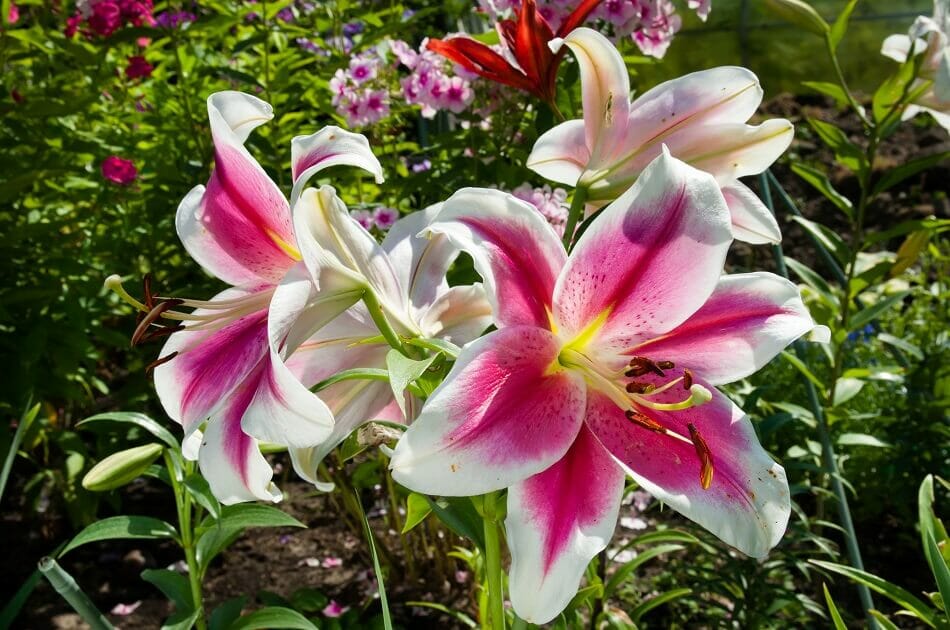
The 'Stargazer' lily was bred by Leslie Woodriff, a California lily and begonia breeder, and is still one of the top-selling lilies in the world.
Calla Lilies
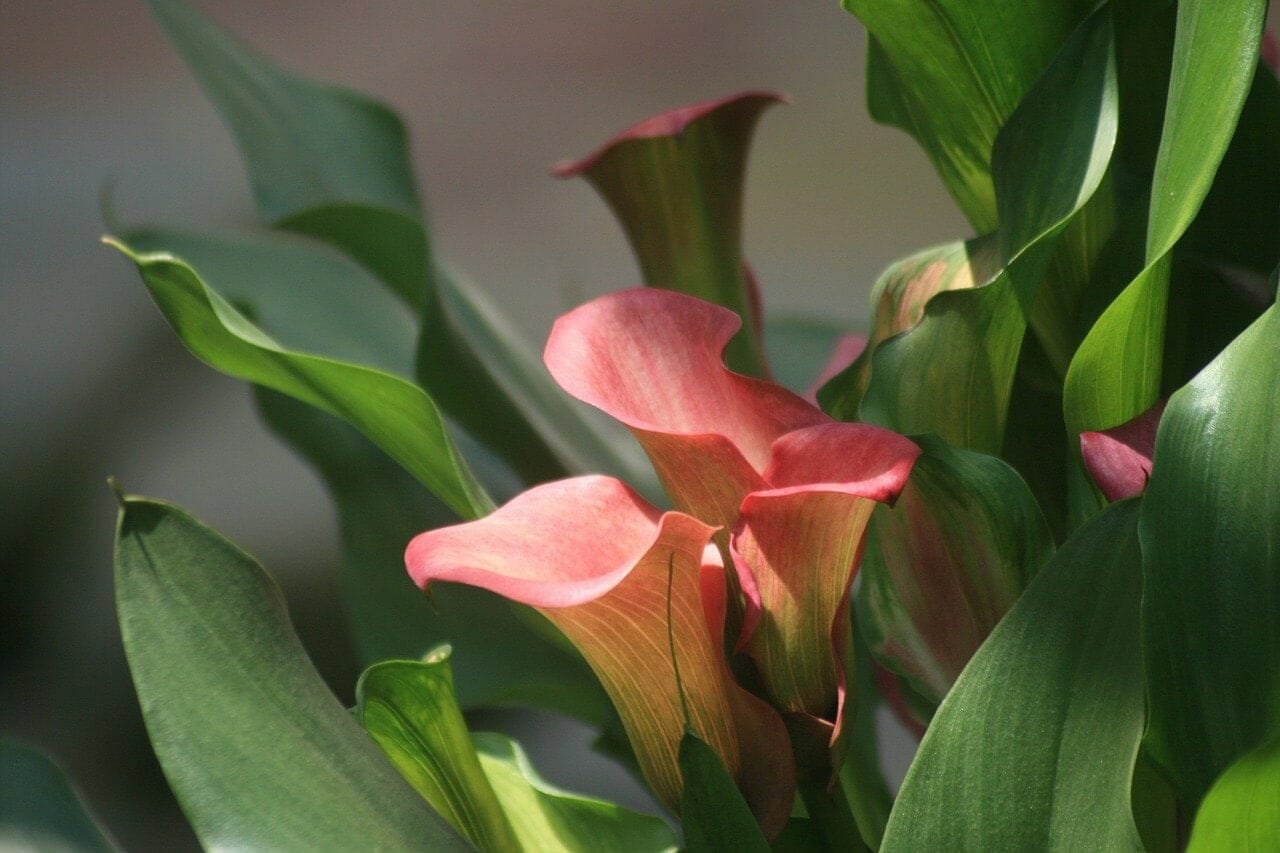
Calla lilies come from southern Africa. They are arums in the Araceae family, like the peace lily, and not true lilies. They are toxic to cats and dogs, causing mouth irritation rather than the kidney damage true lilies cause cats. The spathes come in white, pink, and yellow.
Tiger Lilies
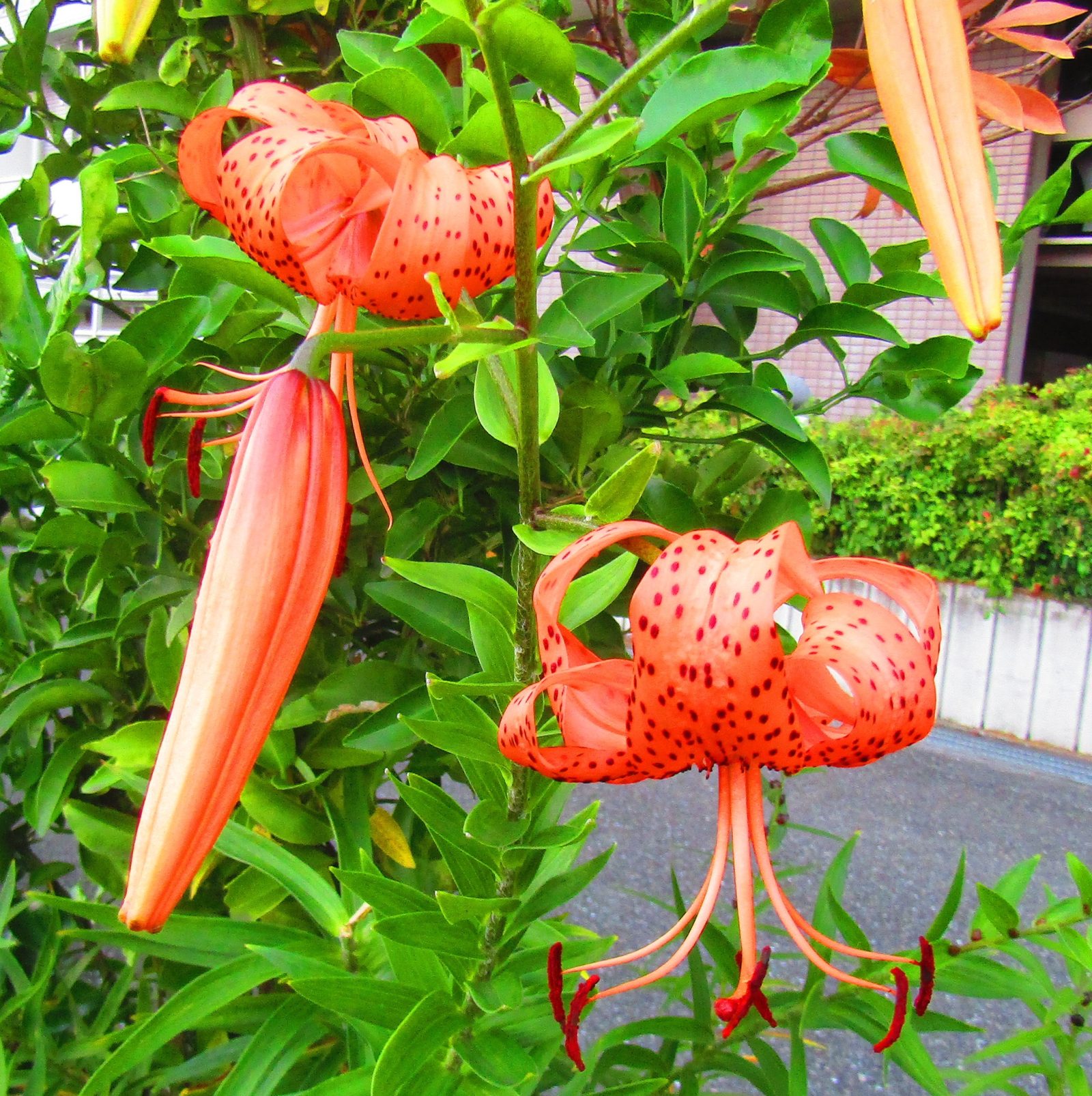
The tiger lily, Lilium lancifolium, is native to far eastern Russia, Tibet, China, the Korean Peninsula, and Japan. Its orange petals are freckled in black. The tiger lily is a modern zodiac pairing for Aries, not an old rule.
Turk’s Cap Lilies
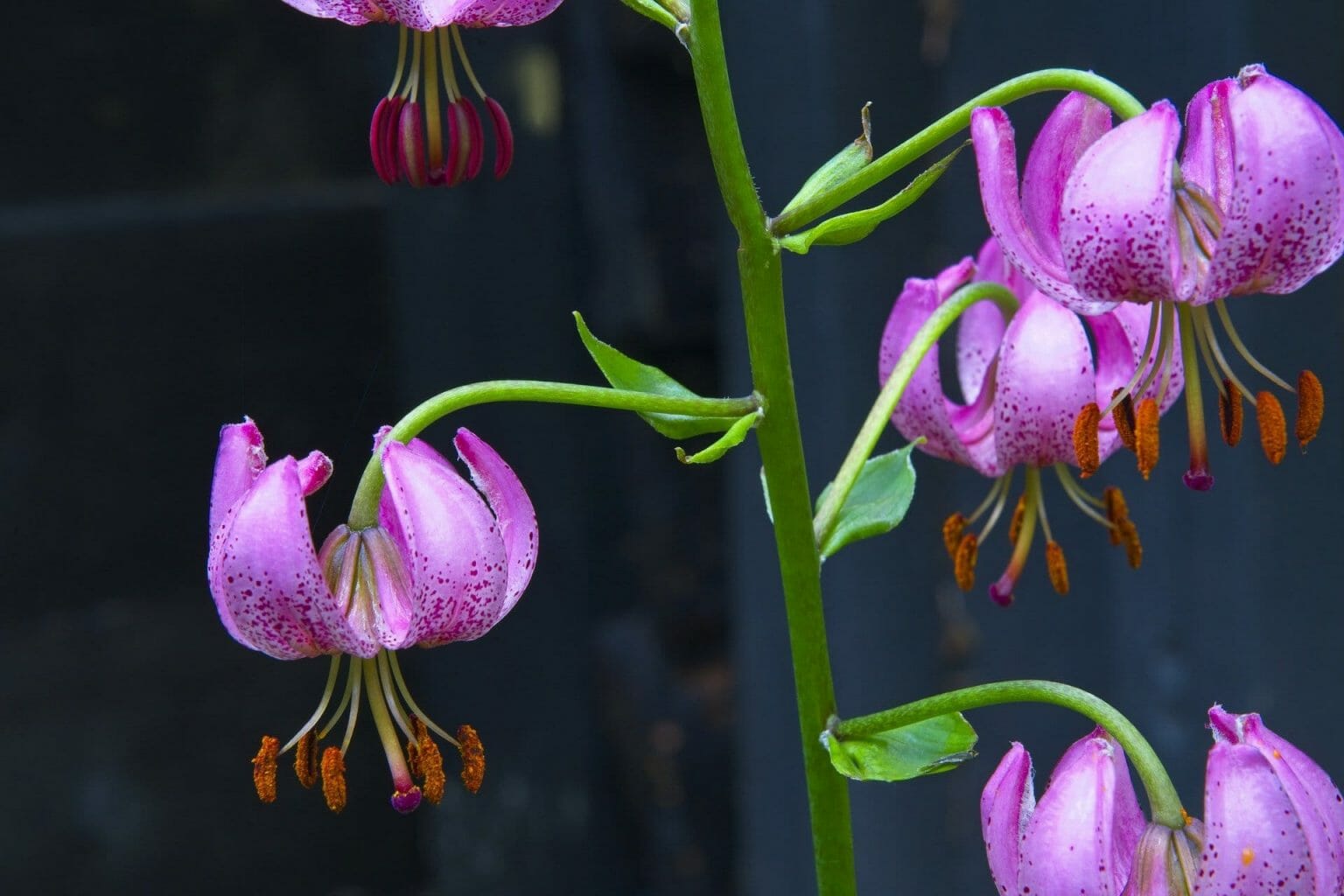
Turk's cap lilies have small, waxy, downward-facing flowers with strongly recurved petals and do best in partial shade.
Royal Lilies
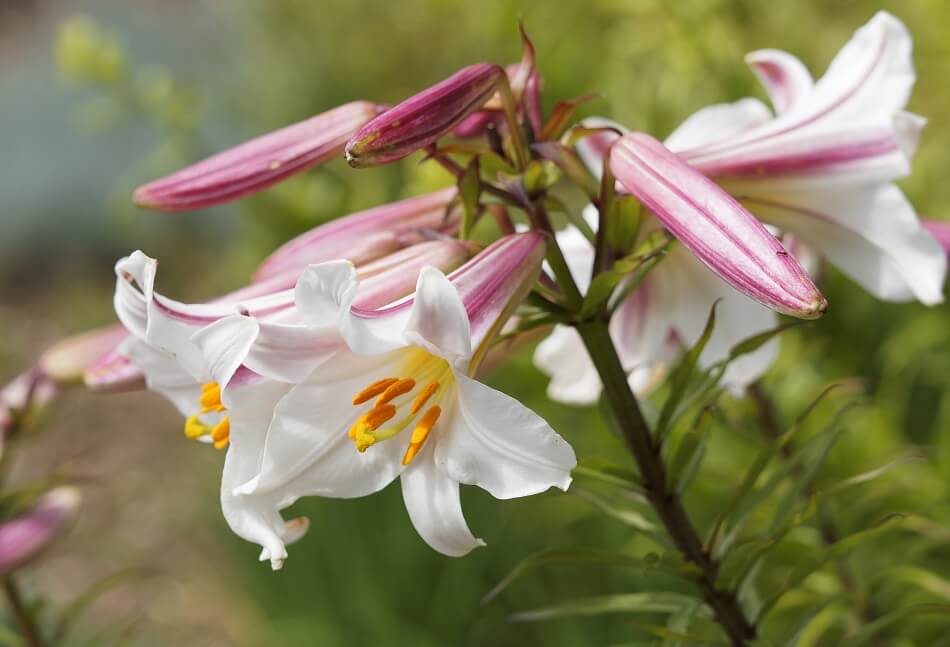
The regal lily, Lilium regale, was first met by the plant collector Ernest Wilson in the Min River Valley in China in August 1903, and about three hundred bulbs went to the Veitch nursery the next autumn.
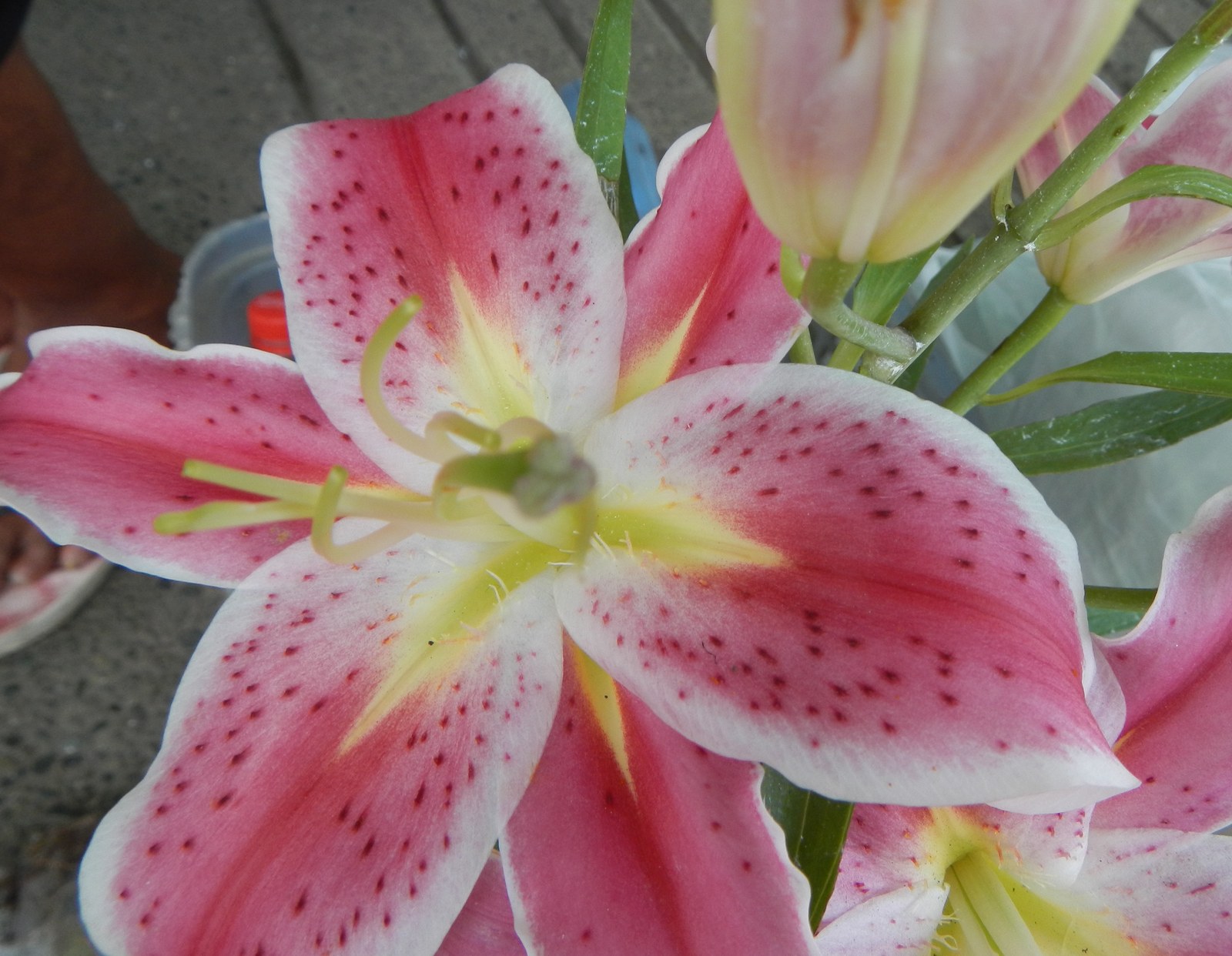
Oriental Lilies
Oriental hybrid lilies tend to bloom last, some into fall, with a strong fragrance. The upward-facing, long-lasting flowers make good cut flowers.
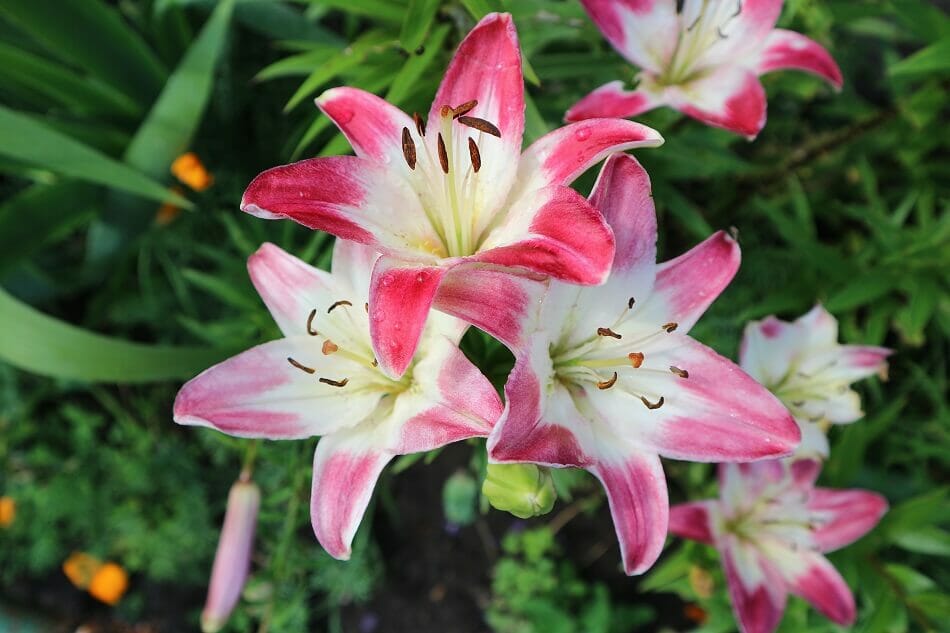
Asiatic Lilies
Asiatic hybrid lilies are usually the first lilies to bloom, in spring to summer, and have no scent; their flowers face outward or upward.
Choosing Lilies for Someone
Before you gift lilies, ask whether the home has a cat. If it does, choose a different flower. If you are sending flowers to someone else, you can read about the florists we've tested. To read about other flowers, try bluebell symbolism and camellia symbolism, or browse flower meanings by flower. Get that question right, and the lily can say the rest.
Questions and Answers
Are lilies poisonous to cats?
Yes. True lilies and daylilies can cause kidney failure in cats, and all parts of the plant are a danger, even the water from a vase that held them. A cat that may have eaten any part of a lily needs a veterinarian or the ASPCA Animal Poison Control Center at once.
Why are Easter lilies given at Easter?
Growers force Easter lilies to bloom in time for the holiday, because the species would not flower then on its own. The plants are timed to open right around Easter, whenever it falls on the calendar.
What does the Bible say about lilies?
The Bible mentions lilies in Matthew 6:28, where Jesus says, 'Consider the lilies of the field, how they grow.' The verse does not name a species, so it is not clear which flower is meant.
Sources21 sources, linked in the text
- ASPCA, Day Lilies
- Annual of the British School at Athens: The Lilies of the Prince (2024)
- Dumont, The Language of Flowers (1851)
- Matthew 6:28, King James Version
- National Gallery, Glossary: Lilies
- University of Reading Herbarium, The Madonna Lily
- Wisconsin Horticulture Extension, Easter Lily
- ASPCA, Lily (Lilium species)
- Kate Greenaway, The Language of Flowers (1884)
- NYBG Hand Lens, Augustine Henry
- American Begonia Society, Leslie Woodriff
- NC State Extension Plant Toolbox, Zantedeschia aethiopica
- Clemson HGIC, Peace Lily
- ASPCA, Calla Lily
- NC State Extension Plant Toolbox, Lilium lancifolium
- Iowa State Extension, Martagon Lilies
- Arnold Arboretum, A Lily from the Valley
- NC State Extension Plant Toolbox, Lilium Oriental hybrids
- NC State Extension Plant Toolbox, Lilium Asiatic hybrids
- ASPCA, Which Lilies Are Toxic to Pets?
- ASPCA, Dangers of Easter Lilies
Updates and CorrectionsNov 4, 2026 · 6 corrected, 2 clarified, 1 removed
- Added: A 'True Lily or Look-Alike?' section with six cards (calla, peace lily, daylily, water lily, lily of the valley, red spider lily), a cat-safety line in the In Short and a Pet Safety row, a section on what the Victorian dictionaries, Japanese flower language and today say, and a section on where the Easter lily comes from.
- Clarified: One health, edibility or toxicity statement now follows a named source; unsourced ones were removed.
- Corrected: 2 unsourced figures (zones, counts, sizes or dates) were corrected to a source or removed.
- Corrected: The page gave the tiger lily the Victorian meaning 'pride or prosperity'. Neither Kate Greenaway's Language of Flowers (1884) nor Dumont's (1851) lists a tiger lily; Greenaway's 'Tiger Flower' is Tigridia, a different genus, and 'prosperity' is in neither book. Greenaway's yellow lily is 'Falsehood. Gaiety.', which the page did not mention.
- Corrected: The page said the lily's history began around 1580 BC in Crete and ran straight into the Hera milk myth. The Cretan lilies are in Minoan wall painting and the milk story is a separate Greek myth, which Dumont tells with Juno; the date is dropped.
- Corrected: The page said Stargazer lilies were introduced around 40 years ago and called the tiger lily the official zodiac flower for Aries. The Stargazer's year is not given; the Aries pairing is a modern one, as the zodiac flowers page says.
- Corrected: The page said Augustine Henry ended his search for medicinal plants to look for lilies. He was a doctor who collected plants in central China and sent them to Kew; Henry's lily is named for him.
- Clarified: The meanings by colour are labelled modern; the Victorian dictionaries list only white, yellow, day and imperial lilies. The tiger lily and calla photos now show the right plants.
- Removed: The Egyptian lily, the Greek bridal crowns, the goddesses of beauty and fertility, the resurrection bulb, the Chinese 'summer and abundance' and 100-years-of-love readings, the Casablanca lily, the graves of saints, the claim that Wilson searched far and wide, the green calla paragraph and the flowering-time lines for Turk's cap, regal and Oriental lilies, none of which had a source we could open.
- Corrected: 2 photos that showed a different plant were replaced or removed.
Save and Share


Reader Comments
Have a question? Ask it here.