Houseplant Guides
15 Uses and Benefits of Cactus Plants, Checked Against the Evidence


Contributing Editor
Credentials
- BA in Professional Writing TheCollector
- Worked at Dover Museum and the Canterbury Archaeological Trust TheCollector
Writing for Petal Republic since 2022 · 92 articles
Expertise
Flowers, Native plants, Wildlife gardening
Published In
TheCollector
What cactus plants are good for: food, easy-care houseplants, landscape plants, and which of the 15 claimed uses and benefits hold up.
In Short
Cactus plants supply food from prickly pear pads and fruit, and they make easy-care houseplants and landscape plants. They do not measurably clean indoor air.
- Early evidence suggests the pads may lower blood sugar, but the fruit showed no effect, and neither replaces medical advice.
- Christmas cactus and prickly pear are safe for dogs, cats, and horses, but pencil cactus, a Euphorbia and not a true cactus, is toxic.
More Takeaways
- Give cacti bright light on a sunny windowsill and water thoroughly only when the compost is dry, then little or no water in winter.
What Each Claim Is Worth
| Claim | What the evidence says |
|---|---|
| 1Ornamental plants | Practical, not a health claim |
| 2Cleaner air | Too small to matter in a room |
| 3Blood sugar | Early evidence for the pads only; none for the fruit |
| 4Food | Supported: the pads and fruit are eaten |
| 5Productivity | Shown for office plants in general, not tested on cacti |
| 6Better sleep | No evidence found; the cited study tested edible plants, not cacti |
| 7Less stress | Shown for indoor plants in general, not tested on cacti |
| 8Soundproofing | No evidence found |
| 9Easy to grow | Practical, not a health claim |
| 10Little water | Practical, not a health claim |
| 11Many species | Practical: 1,438 to 1,870 species, by published count |
| 12Dry soil | Practical, not a health claim |
| 13Growing outdoors | Contradicted: most cacti need winter protection |
| 14Deer resistance | Contradicted: deer eat cacti in drought |
| 15Symbolism | A tradition, not a measured effect |
About Cactus Plants
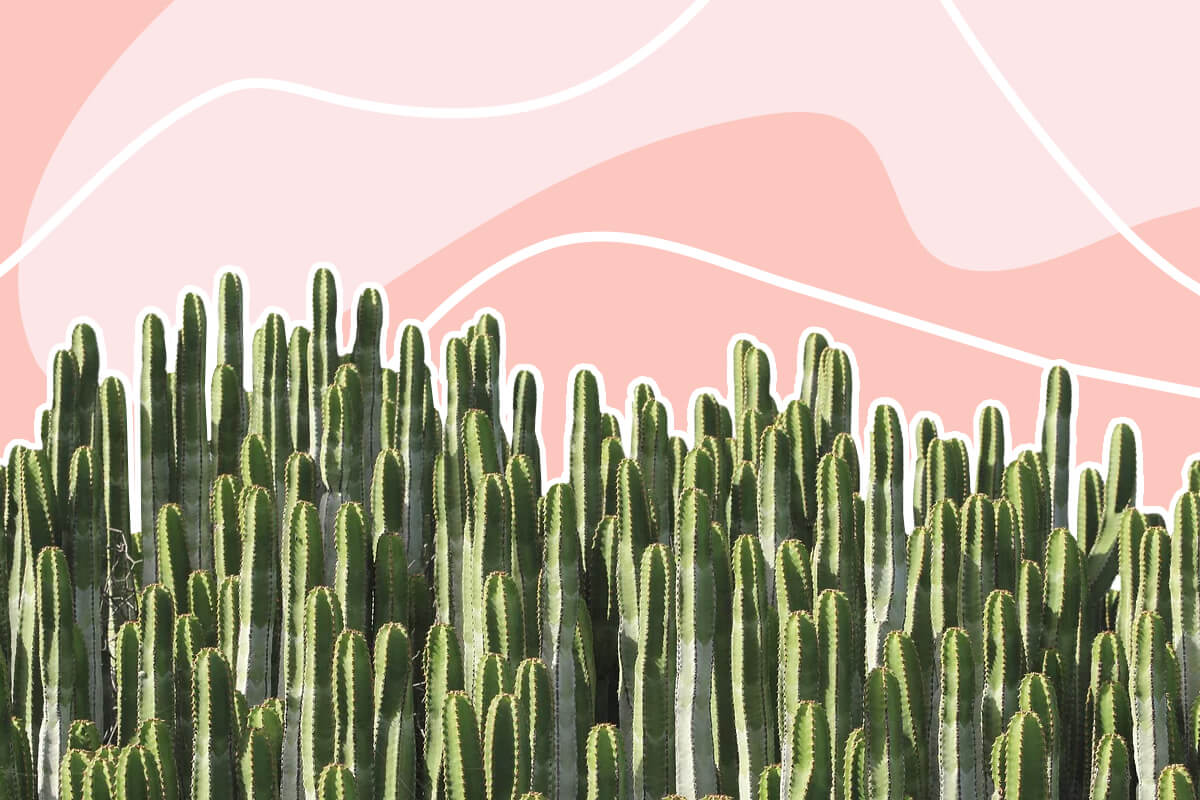
Cactus plants are a group of spiny succulents from the Cactaceae family, which contains approximately 1,750 species. The vast majority of cactus plants are native to parts of the Americas. However, only one cactus species, Rhipsalis baccifera, occurs naturally outside the Americas.
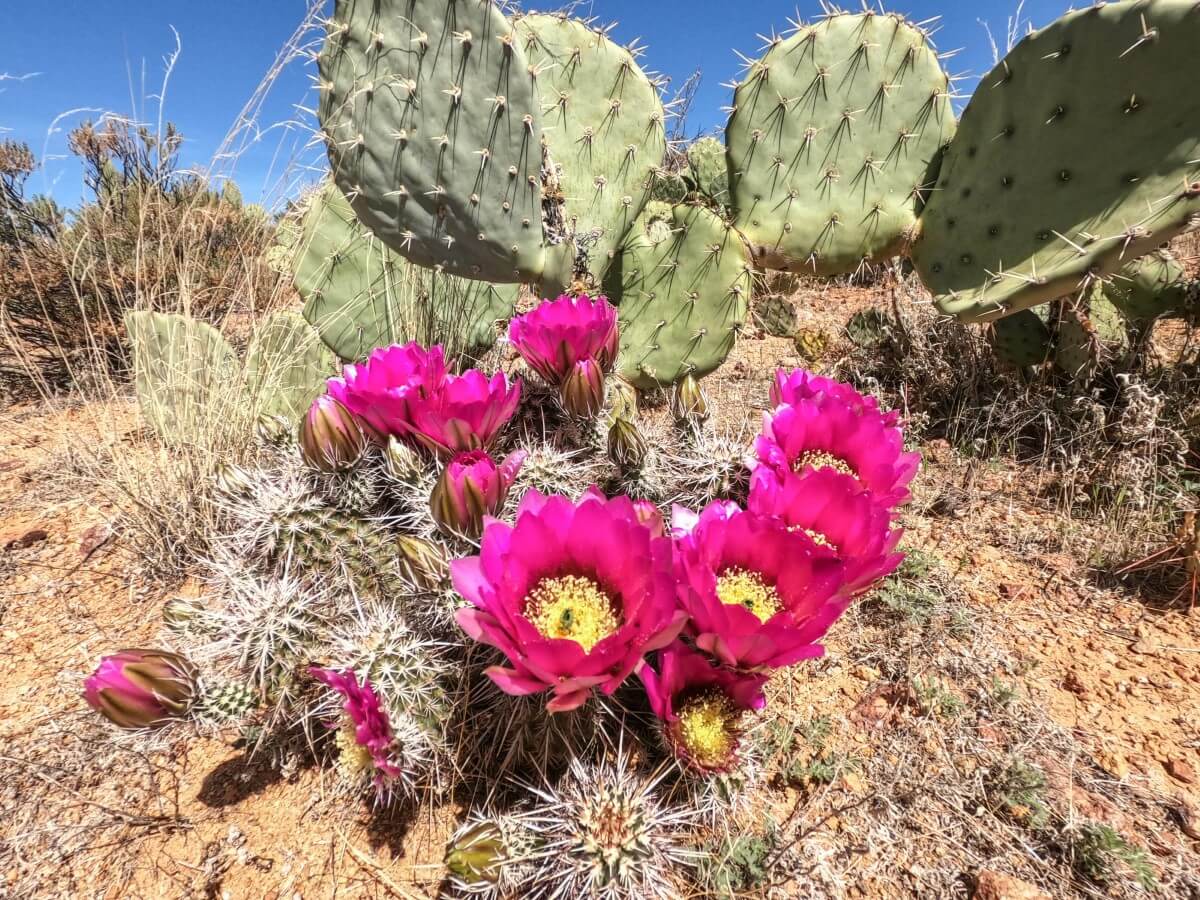
As succulents, cactus plants have a fleshy texture that allows them to store water. Cactus plants are also covered in spines that emerge from bulbous structures called areoles. Many cacti flower, and some, such as the saguaro, open their flowers at night and close them the next day.
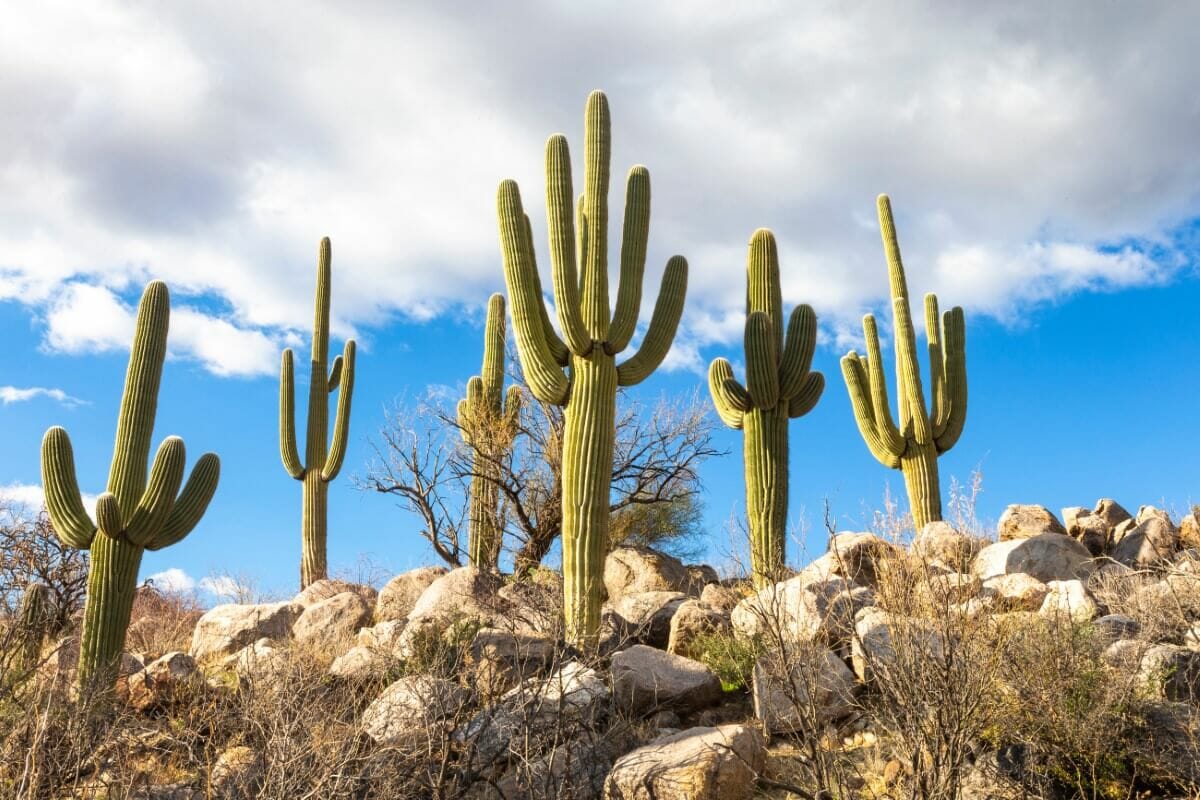
Cactus plants come in several shapes, sizes, and types. Some cactus plants, like barrel cacti, have a low-growing, rounded shape. Others, like the famous Saguaro cactus (Carnegiea gigantea), have a tall, tree-like growth habit.
How We Checked These Claims
On October 18, 2026, each of the 15 claimed uses and benefits was checked against a systematic review, the National Park Service, university extension pages, the RHS and the ASPCA. The food and garden uses hold. Most of the health claims do not.
15 Cactus Uses and Benefits, Checked Against the Evidence
1. Striking, Easy-Care Ornamental Plants
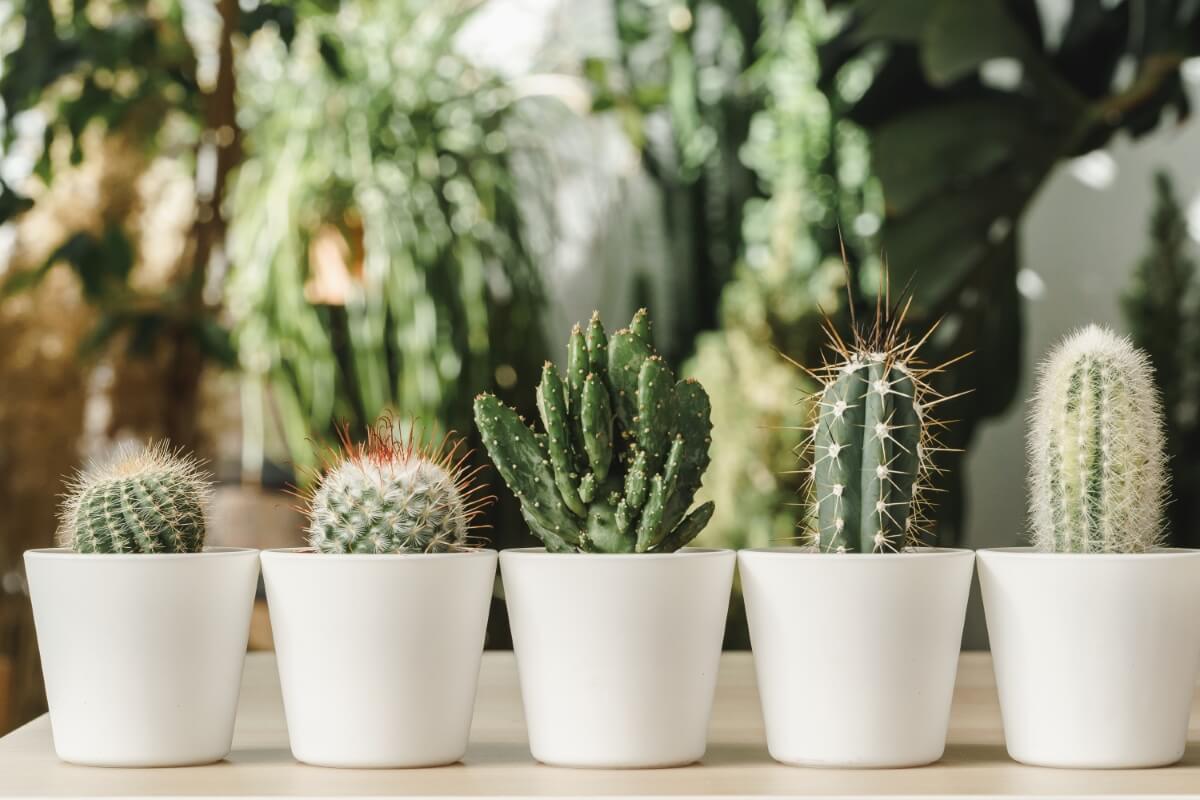
Due to their diverse appearances, cactus plants offer astounding variety as ornamental plants. Many cactus plants have a lot of architectural appeal due to their rounded or tree-like forms. Different cacti also have different spines, offering even more variety.
Many cactus plants that are sold as houseplants are reasonably compact. This allows you to easily collect a few different ones. In the right conditions, some cacti may even produce colorful flowers.
2. Cleaner Air: Too Small an Effect to Measure
- What the Evidence Says
- Too small to matter in a room
Cactus plants have not been shown to purify indoor air. In a 1989 NASA study, plants in sealed test chambers took up volatile organic compounds, but Cummings and Waring (2020) reviewed 12 chamber studies and found the median removal rate for a single plant so low that 10 to 1,000 plants per square meter of floor space would be needed to match normal air exchange. The EPA says plant removal appears inconsequential compared to common ventilation and air exchange rates.
VOCs are produced by household items, including adhesives, cleaning products, paint, and vinyl floors. Some studies that have examined the health risks posed by VOCs have linked these compounds to an increased risk of cancer.
3. Blood Sugar: Early Evidence for Prickly Pear Pads
- What the Evidence Says
- Early evidence for the pads only; none for the fruit
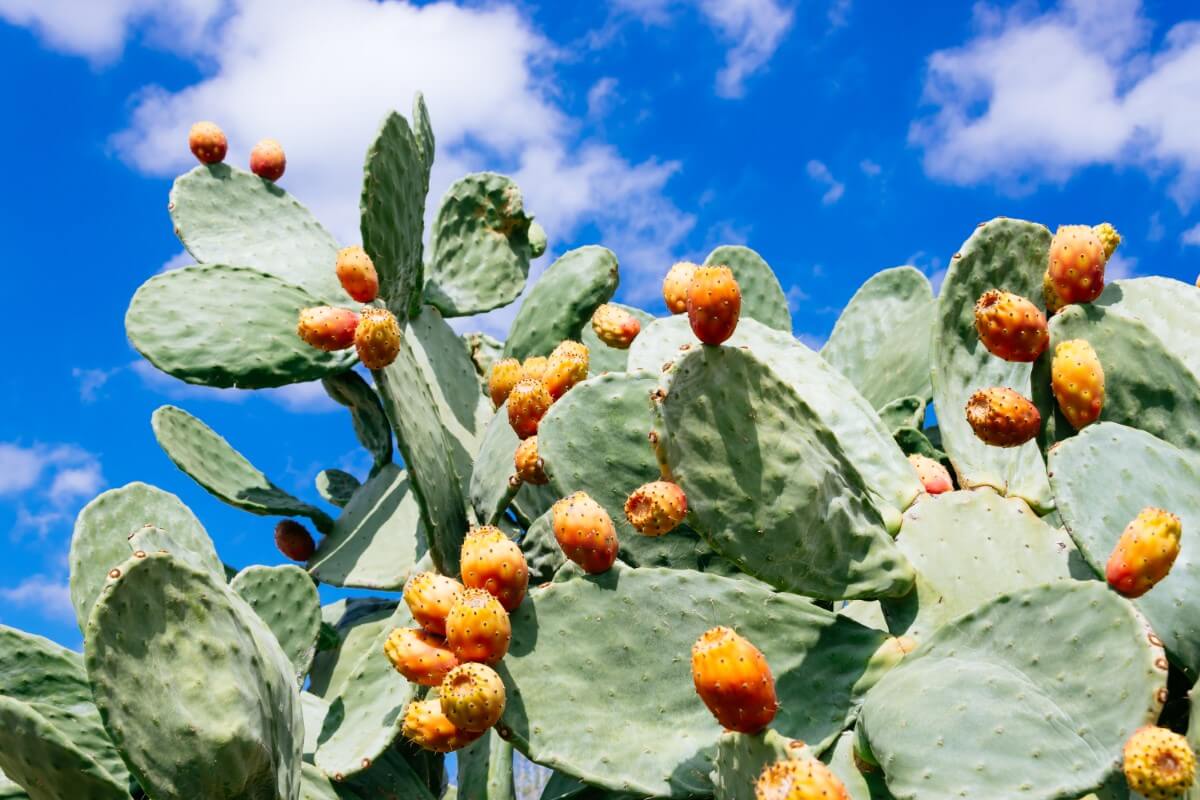
The prickly pear cactus (Opuntia ficus-indica) is eaten and was used in traditional medicine by indigenous peoples of the Americas, though the evidence on its health effects is early and mixed. The fruit of the prickly pear cactus is eaten fresh or dried, and made into jellies, syrups, and drinks.
A 2019 systematic review of 20 human studies found that products made from the pads (cladodes) mostly lowered blood glucose and insulin. Products made from the fruit mostly showed no significant effect. The same review cautioned that the studies had high risk of bias and that evidence is lacking to recommend the fruit for type 2 diabetes; WebMD says more research is needed on cholesterol.
4. Food: Prickly Pear Pads and Fruit
- What the Evidence Says
- Supported: the pads and fruit are eaten
Prehistoric peoples in Mexico and Central America harvested wild prickly pear pads (nopales) and fruit (tunas) and eventually cultivated the plant as a food crop. In the Gila Cliff Dwellings region, the fruit was eaten fresh or dried or made into jellies, syrups, and drinks, and the pads were eaten as a vegetable.
USDA FoodData Central lists raw nopales (cactus pads) at 9.3 mg of vitamin C and 257 mg of potassium per 100 g, while New Mexico State University Extension lists prickly pear fruit at 14 mg of vitamin C and 220 mg of potassium per 100 g. The spines and bristles must be removed first.
5. Productivity: Office Studies of Plants in General
- What the Evidence Says
- Shown for office plants in general, not tested on cacti
No study in the sources checked for this page tests cacti. One study, by Nieuwenhuis and colleagues (2014), ran three field experiments in large commercial offices in the Netherlands and the UK; the plant species are not named.
A University of Exeter press release on that research says that enriching a lean office with plants could increase productivity by 15%. The plants are not named in the study, and cacti were not tested.
6. Better Sleep: No Evidence Found
- What the Evidence Says
- No evidence found; the cited study tested edible plants, not cacti
Of the sources checked for this page, none tests whether cactus plants affect sleep. The nearest research, a 2020 isolation-cabin study, tested three edible plants with different lighting, not cacti and not bedrooms.
7. Less Stress: Shown for Indoor Plants in General
- What the Evidence Says
- Shown for indoor plants in general, not tested on cacti
A small randomized crossover study found that young men who repotted an indoor plant (species not named) felt more comfortable and soothed, and had lower diastolic blood pressure, than they did after a computer task.
Twenty-four young men took part in a crossover study in two groups of 12, and each person did both tasks. After repotting an indoor plant, diastolic blood pressure was lower and sympathetic nervous activity decreased compared with the computer task.
8. Soundproofing: No Evidence Found
- What the Evidence Says
- No evidence found
The idea that cactus plants reduce noise in a home is unproven, since no source checked for this page shows it.
9. Easy to Grow in Bright Light
- Pet Safety
- Christmas cactus and prickly pear non-toxic; pencil cactus, not a true cactus, toxic
Although cactus plants may seem daunting, many of them are actually pretty easy to grow. Cactus plants can thrive for several years if their basic requirements are met.
Cacti like bright light, so a sunny windowsill suits them all year round, and even outdoors in summer. They also cope well with the dry air of centrally heated homes. In autumn and winter, from November to the beginning of March, they rest with cooler nights of about 8 to 10°C (46 to 50°F) and minimal or no watering. Rainforest cacti, such as Christmas cactus and orchid cacti, prefer partial shade and more water.
10. Little Water, Especially in Winter
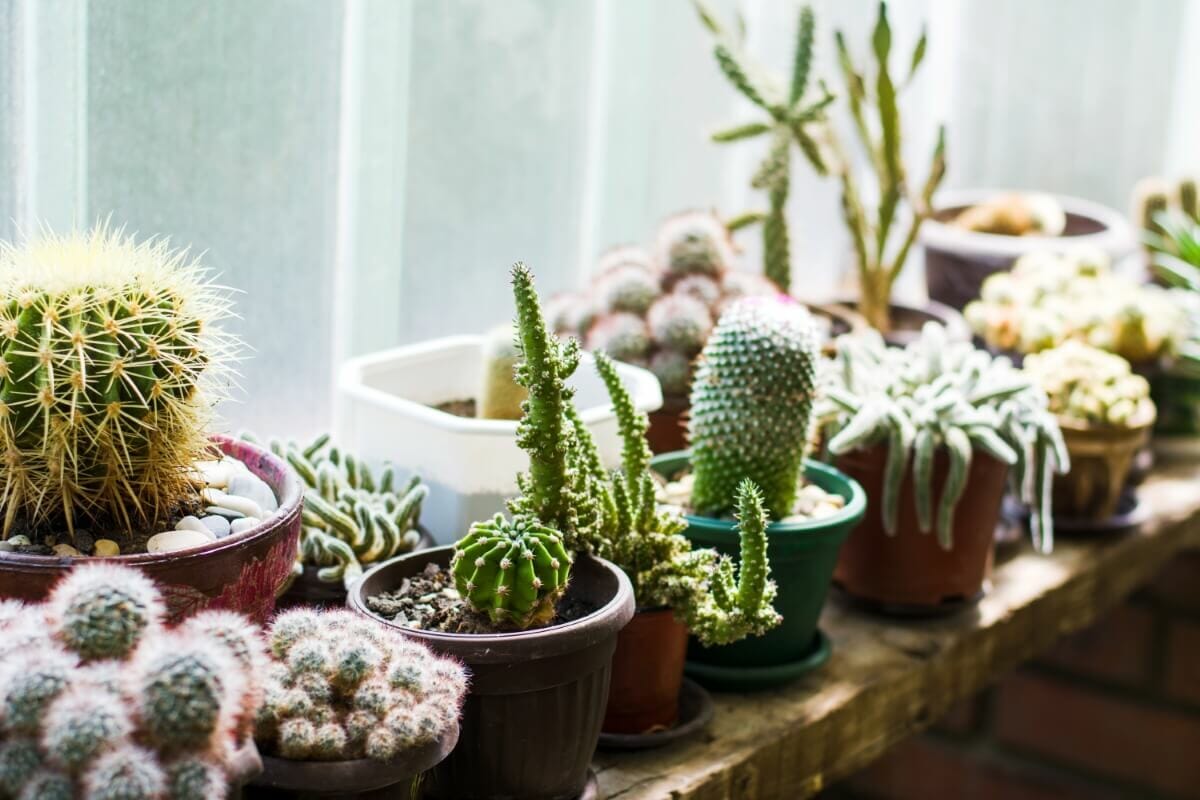
Cactus plants are specifically adapted to conserve water. Cactus plants survive periods of drought by storing water in their fleshy stems.
Even when growing indoors, cactus plants don’t need a lot of water. In spring and summer, water cactus plants thoroughly once the surface of the compost feels dry to the touch, and let the excess drain away. In autumn and winter, from November to the beginning of March, give minimal or no water.
11. Well Over a Thousand Species
- What the Evidence Says
- Published counts run from 1,438 to 1,870 species
One of the main benefits of cactus plants is their sheer variety. The Cactaceae family contains approximately 1,750 species, which are divided between nearly 130 genera. As such, cactus plants offer a fantastic range of shapes and sizes.
Popular cacti species include the Christmas cactus (Schlumbergera spp.), the fishbone cactus (Disocactus anguliger), and the feather cactus (Mammillaria plumosa). Many of these cacti can be grown easily at home.
12. Built for Dry, Fast-Draining Soil
Due to their ability to conserve water, cactus plants thrive in hot, arid climates. The cactus genus Copiapoa is endemic to Chile's fog-dependent coastal Atacama Desert. As such, cactus plants grow best in loose, nutrient-poor soils with fast drainage.
You can buy pre-made cactus soil mixes or create your own blend. You can use a ready-mixed peat-free cacti compost, or peat-free John Innes No 2 compost with up to 30 percent grit or fine gravel by volume.
13. Growing Cacti Outdoors Depends on the Species
- What the Evidence Says
- Contradicted: most cacti need winter protection
Although usually grown as houseplants, many types of cactus plants can also be grown outdoors. Hardiness depends on the species. Most cacti and succulents are grown as houseplants and need extra protection over winter, but NC State lists the eastern prickly pear (Opuntia humifusa) for USDA zones 4 to 9.
Cactus plants need loose, well-draining soils and at least six hours of full sun daily. Cactus plants are also ideal for xeriscape gardens that rely on minimizing water usage.
14. Deer-Resistant? Not in a Drought
- What the Evidence Says
- Contradicted: deer eat cacti in drought
Deer do eat cacti. The National Park Service says deer eat prickly pear pads in times of drought, and mule deer eat the saguaro's flesh when other food and water are not available. However, NC State lists eastern prickly pear as resistant to deer, which is a plant trait rather than a guarantee.
15. Cactus Symbolism and Traditions
- What the Evidence Says
- A tradition, not a measured effect
Cactus plants symbolize different qualities in different cultures.
The Tohono O'odham gather saguaro fruit and use it to make ceremonial wine, jelly, and candies. The saguaro blossom is Arizona's state flower.
What Cactus Plants Are Good For
Cactus plants have an astounding range of uses and benefits. These plants are easy to grow and come in several types. Some cacti, such as prickly pear, are eaten. A 2019 systematic review found promise for pad products on blood glucose and none for the fruit.
For more on growing them, see our succulent and cactus care guides, including fishbone cactus, orchid cactus care, kalanchoe pinnata care and how to care for string of pearls.
Questions and Answers
What are the side effects of eating nopal cactus?
As a food, nopal cactus seems to be safe, but it may cause minor side effects such as upset stomach, diarrhea, bloating, or headache. The sources checked do not say whether nopal cactus supplements cause side effects, so the food and the supplements should not be treated as the same thing. If you have diabetes, do not take prickly pear cactus supplements unless a doctor says it is safe.
Is cactus fruit safe to eat raw?
The fruit of the prickly pear cactus (Opuntia) is eaten fresh and is considered safe as a food, though it may cause minor side effects such as upset stomach, diarrhea, bloating, or headache. Raw, it tastes like watermelon. The sources checked for this page do not cover other cacti as food.
Are cacti safe for cats and dogs?
Many true cacti are listed as non-toxic to cats and dogs, but the name cactus is not a safety guide. The ASPCA lists Christmas cactus (Schlumbergera bridgesii) and tree cactus (Opuntia species) as non-toxic to both, and NC State lists eastern prickly pear (Opuntia humifusa) as non-toxic, though its bristles can irritate skin. Pencil cactus (Euphorbia tirucalli) is a Euphorbia, not a true cactus, and its irritant sap is toxic to cats and dogs. The ASPCA does not list fishbone cactus or feather cactus, so if you are concerned about a specific plant, contact your veterinarian or the ASPCA Animal Poison Control Center.
Sources29 sources, linked in the text
- Journal of Systematics and Evolution, 2024
- Wang et al., 2020, Plants
- National Park Service: Deer-Resistant? Not in a Drought
- Wikipedia: Saguaro
- epa.gov: what are volatile organic compounds vocs
- Cummings and Waring, 2020
- US EPA
- health.state.mn.us: voc.htm
- iaqscience.lbl.gov: vocs and cancer
- Wikipedia: Opuntia ficus indica
- National Park Service: Food: Prickly Pear Pads and Fruit
- Gouws et al., 2019
- WebMD
- USDA FoodData Central
- ScienceDaily / University of Exeter, 2 Sep 2014
- Nieuwenhuis et al., 2014
- Zhang et al., 2020
- Lee et al., 2015
- Royal Horticultural Society
- Wikipedia: Schlumbergera
- Wikipedia: Mammillaria plumosa
- Conservation Biology, 2024
- NC State Extension Plant Toolbox
- Arizona State Parks and Trails
- ASPCA: Easy to Grow in Bright Light
- ASPCA: Easy to Grow in Bright Light
- ASPCA: Pencil cactus
- NMSU Extension
- Azkorra et al., 2015
Updates and CorrectionsOct 18, 2026 · 6 corrected, 1 clarified, 1 removed
- Added: A verdict under each claimed use, with its source, and a How We Checked summary.
- Added: Prickly pear as food, and what a 2019 review found on blood sugar (early evidence for the pads, none for the fruit).
- Added: Pet safety from the ASPCA.
- Corrected: One statement about the official flower now follows the statute or official source.
- Clarified: 6 health, edibility and toxicity statements now follow a named source; unsourced ones were removed.
- Corrected: 5 unsourced figures (zones, counts, sizes or dates) were corrected to a source or removed.
- Corrected: The page said cacti may purify indoor air. A 2020 review of 12 chamber studies found potted plants clean air far too slowly to matter in a room.
- Corrected: The page said cacti are deer-resistant. The National Park Service records deer eating prickly pear pads in drought.
- Corrected: The stress study had 24 young men in total, not two groups of 24, and it did not test cacti.
- Removed: The sleep, antiviral and nerve-cell claims. No source supports them for cacti; the cited sleep study tested edible plants, not cacti.
- Corrected: Three AI-generated photos were replaced with real photographs from the Petal Republic library.
Save and Share
Reader Comments
Have a question? Ask it here.